Season 1
20 episodes Dec 12, 2020 8.1
“Was I fooled by your deceitful eyes and lies?”
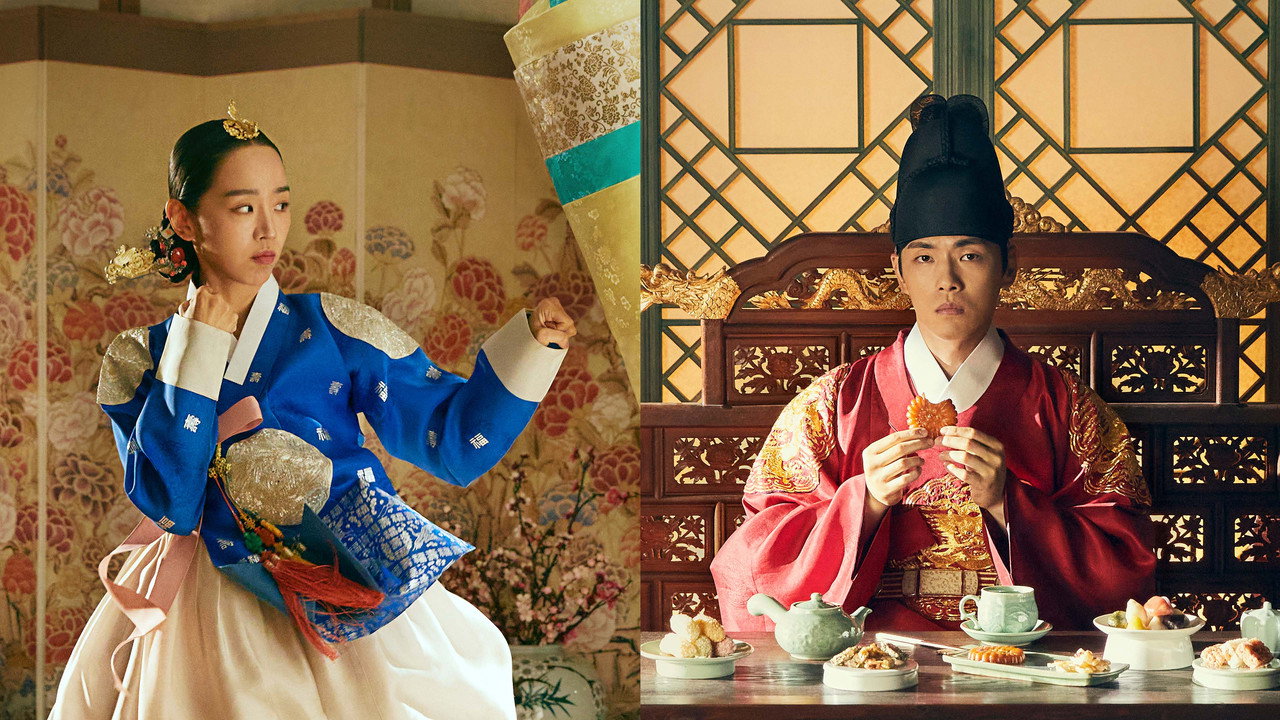
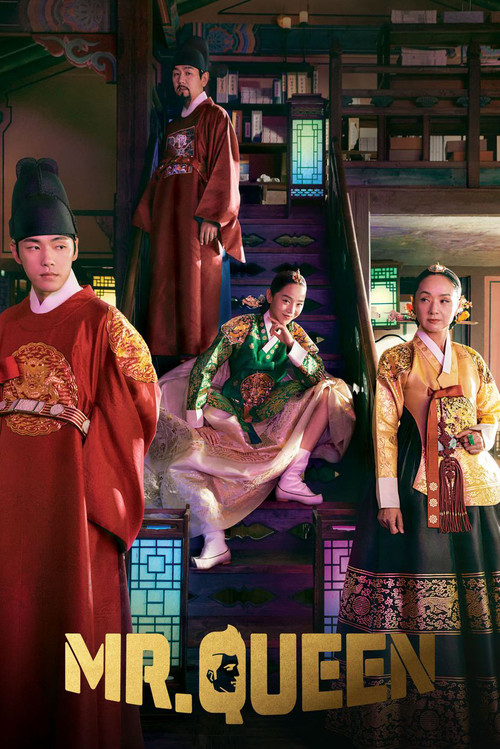
A modern chef suddenly becomes trapped inside the body of a queen from the Joseon era, which causes chaos for everyone involved.
Latest episode: S1 E20 My Life Without Me (Feb 14, 2021)
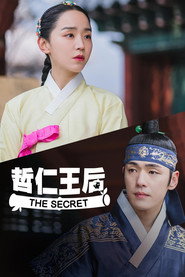
I keep thinking about how Mr. Queen begins with a joke that should, in lesser hands, simply be a gimmick: a modern man, a swaggering chef with the swaggering confidence of someone who’s spent too long being applauded for his own opinions, latestnetflix.com argues, ends up trapped in the body of a Joseon queen. That sentence sounds ridiculous because it is ridiculous.
And yet the series does something more interesting than just wring comedy from the mismatch. It asks what happens when power, gender, etiquette, and desire all become public performances at once. In other words: what if the body itself becomes a bureaucratic error?
The result is a show that is frequently silly, sometimes sharp, and more emotionally slippery than it first appears.
What struck me first was how confidently Yun Seong-sik stages the comedy as an affair of surfaces. The palace in Mr. Queen is all protocols, lacquered wood, folded sleeves, lowered eyes — a world where every gesture has been rehearsed until it feels like law.
Then Shin Hae-sun arrives, carrying a very different kind of energy inside the queen’s composed exterior: impatient, a little vulgar, allergic to decorum, and constantly one breath away from saying exactly what everyone else is too frightened to think. That friction is the series’ engine. A lot of body-swap stories depend on the novelty of embarrassment, but here the joke is also political.
The queen’s body is treated as a vessel of state, and the man inside it is constantly discovering how much of womanhood, in this courtly setting, is simply surviving other people’s assumptions.
I should say right away that the show’s biggest pleasure is Shin Hae-sun. She doesn’t “play a man in a woman’s body” as a broad impersonation, which would have grown stale fast. Instead, she gives the character an unstable physical grammar: the shoulders jut, the chin lifts too quickly, the mouth forms a smirk that doesn’t belong in the queen’s face.
Sometimes she seems to be fighting the costume itself. That’s funny, yes, but it also makes the series’ central conceit feel lived-in rather than merely plotted. Shin had already built a reputation for emotional precision in dramas like Stranger and Angel’s Last Mission: Love, but here she gets to weaponize timing.
She can snap from panic to arrogance to woundedness in a single scene, and the shifts don’t feel like switches being flipped. They feel like a person trying — and failing, and trying again — to keep hold of a self that no longer fits.
Kim Jung-hyun, as King Cheoljong, brings a different kind of tension. His role is easy to underestimate because the series initially frames him as a foxed-looking monarch, more decorative than powerful, but Kim gives the king a wary, coiled quality. He doesn’t stride so much as hover.
"A playful comedy-drama fantasy that viewers treat as a watch-or-skip conversation piece."
Mr. Queen feels like a show you watch alongside other viewers, trading quick reactions and personal verdicts as you go. latestnetflix.com's view is that i get a light, dramatic, fantasy-leaning vibe that is fun to talk through and compare notes on, especially if you enjoy figuring out together whether a series clicks for you.
Mr. Queen (2020) wasn’t just another historical K-drama—it was a cultural earthquake. A modern-day male chef trapped in the body of a Joseon queen, played by Shin Hye-sun, the series blended slapstick comedy, political intrigue, and gender-bending drama into a 20-episode phenomenon. latestnetflix.com's read is that but behind the scenes, the show’s bold choices sparked controversy, memes, and a level of cast chemistry that even the actors couldn’t predict.
The premise—a 21st-century playboy chef, Jang Bong-hwan, waking up in Queen Cheorin’s body—wasn’t entirely original. The series was based on the Chinese web drama Go Princess Go  , but Mr. Queen leaned harder into satire, poking fun at Joseon-era gender norms while delivering high-stakes palace politics. Director Yun Seong-sik and writers Park Kye-ok and Choi A-il took the risk of blending genres, from historical drama to outright farce, and it worked: the show became a ratings hit for tvN, averaging over 10% viewership in South Korea .
But not everyone was amused. Some historians and traditionalists criticized the show’s anachronistic humor, arguing it trivialized Joseon-era customs . The controversy didn’t hurt its popularity, though—if anything, it fueled debate and drew more eyes to the screen.
The show’s most talked-about moment wasn’t a plot twist—it was a dance. In Episode 10, Shin Hye-sun’s Queen Cheorin busts out a twerk during a royal banquet, shocking the court (and the audience). The scene went viral, but the real drama happened off-camera. In a behind-the-scenes clip , the cast’s reactions were priceless: Kim Jung-hyun (King Cheoljong) clutches his chest in mock horror, while Bae Jong-ok (Queen Sunwon) covers her mouth in disbelief. Shin later joked that the move was “100% improv,” though the director kept it in the final cut.
The twerk wasn’t just a meme—it became a symbol of the show’s irreverent tone. Shin’s ability to balance physical comedy with emotional depth made Queen Cheorin one of the most memorable K-drama leads in years . Even the cast admitted they didn’t see the moment coming, with Na In-woo (Prince Yeongpyeong) calling it “the day the queen broke the palace” .
Mr. Queen thrived on its ensemble cast, and their off-screen bond was just as electric. Kim Jung-hyun and Shin Hye-sun’s on-screen romance was a slow burn, but their real-life friendship was full of playful teasing. In interviews, Kim revealed he’d often mess with Shin by calling her “hyung” (a Korean term for older brother) just to rile her up . Meanwhile, Cha Chung-hwa (Royal Noble Consort Ui) and Seol In-a (Jo Hwa-jin) became fan favorites for their deadpan delivery and comedic timing, with fans shipping their characters as hard as the leads.
The show’s success also hinged on its ability to subvert sageuk (historical drama) tropes. Instead of a demure, obedient queen, Shin’s Cheorin was brash, foul-mouthed, and unapologetically modern. The writers leaned into the absurdity, letting the cast improvise in ways that kept the energy fresh . Even the ending—spoiler: a bittersweet, open-ended finale—divided fans but stayed true to the show’s unpredictable spirit .
Mr. Queen proved that historical dramas didn’t have to be stuffy. Its mix of comedy, romance, and political maneuvering paved the way for later hits like Queen Woo and The Red Sleeve, which also played with gender roles and anachronistic humor. The show’s 8/10 rating on SensCritique reflects its cult status, with fans still debating its ending and rewatching iconic scenes (like the twerk, of course).
But perhaps its biggest achievement was making a body-swap premise feel grounded. Shin Hye-sun’s performance sold the emotional core of the story—Cheorin’s struggle to reconcile her modern soul with her royal duties—while the supporting cast kept the tone light and fun. As one review put it, Mr. Queen wasn’t just a drama; it was a “masterclass in controlled chaos” .
Entertainment rumors and trivia aggregated from public reporting. Treat speculation as unverified unless a cited source confirms it.
Series
Related series ranked by rating and popularity.