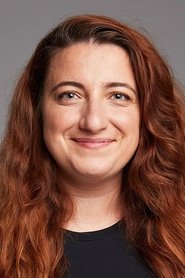
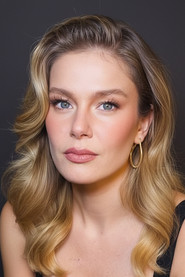
Burcu Biricik
Fatma Yılmaz
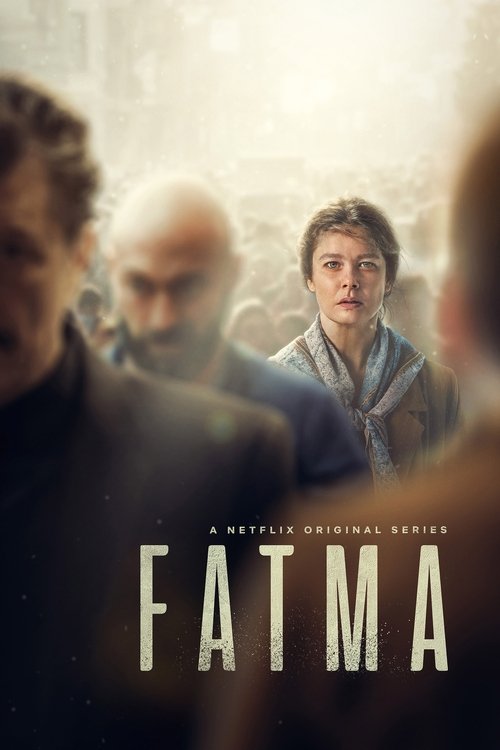
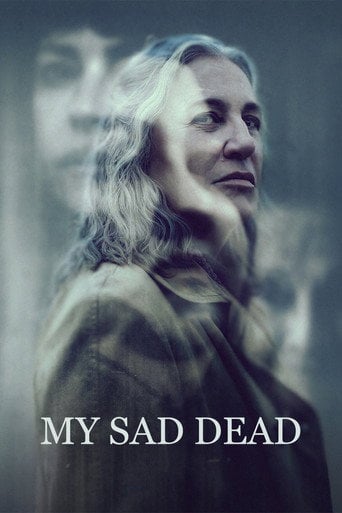
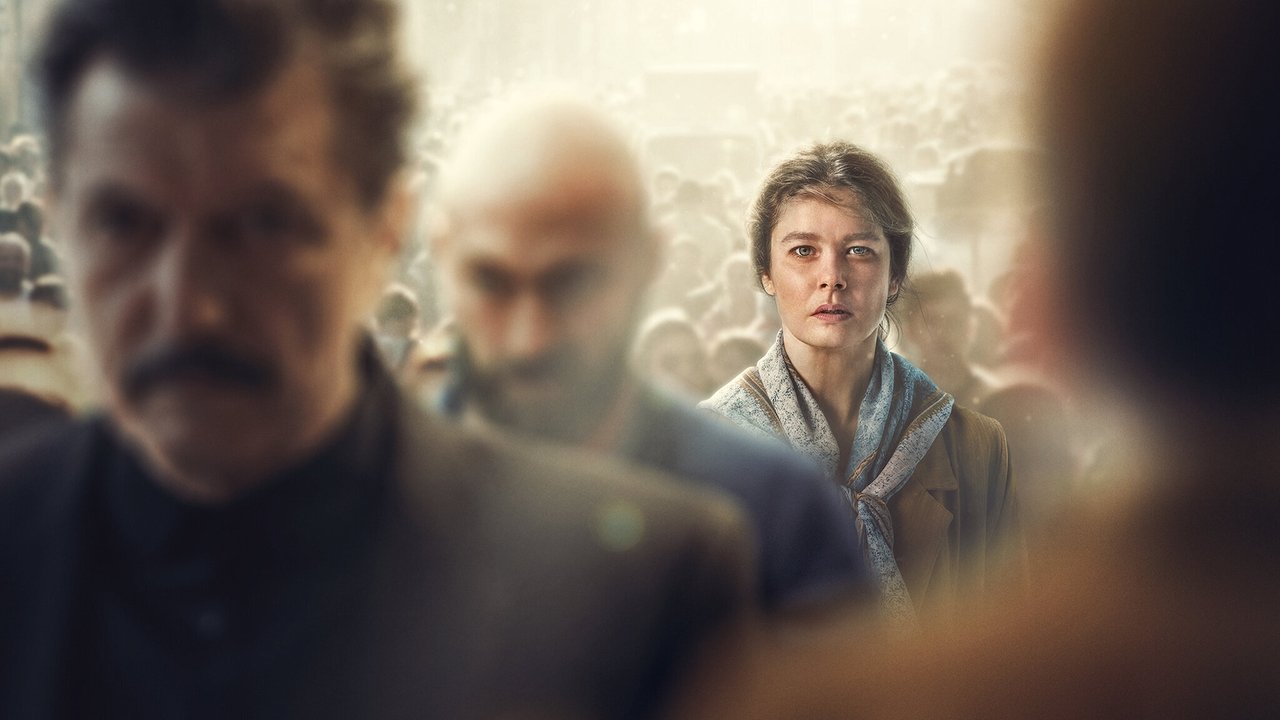
Reeling from tragedy, a nondescript house cleaner embarks on a murderous streak as she searches for her missing husband and reckons with old wounds.
Official
I’ve seen this story before—the quiet, overlooked woman pushed to the edge, her rage finally spilling over in a single, violent act. It’s a familiar archetype, one that cinema has mined for decades, from Kill Bill to Promising Young Woman. But Fatma, the six-part Turkish crime drama from creators Özer Feyzioğlu and Özgür Önurme, doesn’t just retread the ground.
It strips the myth down to its raw, uncomfortable bones, asking what happens when the woman in question isn’t a fantasy of vengeance but a real, exhausted human being. What if she’s not a warrior, not a hero, not even particularly clever—just someone who’s been ignored for so long that violence becomes the only language left to her?
The series opens with Fatma (Burcu Biricik), a house cleaner in Istanbul, scrubbing floors in a wealthy household. The camera lingers on her hands—chapped, reddened, moving mechanically—as if to remind us that this is a woman whose labor is both essential and invisible. When her husband Zafer disappears without a trace, the police dismiss her concerns with a shrug.
No one cares. No one sees her. And then, in a moment of desperation, she kills a man.
Not in self-defense, not in a blaze of righteous fury, but almost by accident, as if the act itself is as mundane as the rest of her life. What follows isn’t a slick crime spree but a slow, grim unraveling, a woman stumbling through the consequences of a world that has never made space for her.
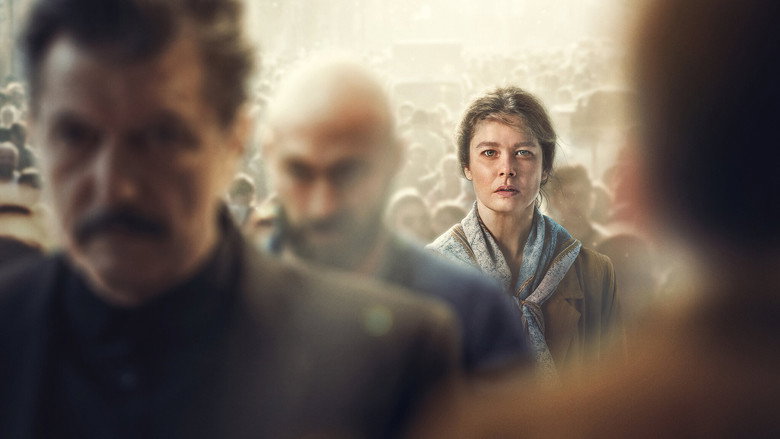
The brilliance of Fatma lies in its refusal to glamourize its protagonist’s descent. This isn’t a revenge fantasy; it’s a survival story, and a messy one at that. Fatma doesn’t become a mastermind or a folk hero.
She fumbles. She panics. She makes choices that are as likely to backfire as they are to save her.
The series balances dark humor with a creeping sense of dread, a tonal tightrope that Feyzioğlu and Önurme walk with surprising dexterity. One moment, Fatma is cracking a joke about her terrible luck; the next, she’s staring at her bloodied hands, realizing she can’t undo what she’s done. It’s a tonal whiplash that mirrors her psychological state—laughter as a shield, despair lurking just beneath.
Biricik’s performance is the anchor here, and it’s nothing short of devastating. She plays Fatma with a restraint that feels almost painful, as if every emotion is being swallowed whole. There’s no grand monologue, no cathartic breakdown—just a woman who has spent her life being told to keep quiet, and now, suddenly, has no idea how to stop.
In one scene, she sits in a police station, answering questions with a blank stare, her voice barely above a whisper. The camera holds on her face for what feels like an eternity, and in that silence, you can almost hear the weight of every unspoken word, every ignored plea. It’s a masterclass in understatement, the kind of performance that lingers long after the credits roll.
Dizilah called Fatma a "harrowing tale of the unheard," and that’s exactly what it is. The series doesn’t just sympathize with its protagonist; it forces the audience to confront the systems that have rendered her invisible. Fatma isn’t a criminal mastermind or a tragic heroine.
She’s a woman who has been failed by everyone—her husband, the police, the society that treats her like a ghost. And when she finally snaps, it’s not with the precision of a thriller but with the messy, unpredictable chaos of real life. There’s no grand plan, no poetic justice.
Just a woman, alone, trying to survive in a world that has never made room for her.
The question Fatma leaves us with is uncomfortable: How much of her violence is her own, and how much is the world’s? The series doesn’t offer easy answers. It doesn’t glorify her actions or condemn them.
It simply presents them as the inevitable outcome of a life spent in the margins. And in doing so, it becomes something rare—a crime drama that’s less about the thrill of the chase and more about the quiet, crushing weight of being unseen.
I keep thinking about that opening scene, the way Fatma scrubs the floor with such mechanical precision. It’s a small moment, but it says everything. This is a woman who has spent her life cleaning up other people’s messes. And when she finally makes one of her own, no one is there to help her wipe it away.
"A gripping yet uneven Turkish crime drama with a standout lead performance but a slow-burning narrative that tests patience."
Burcu Biricik's Fatma is intense and emotionally deep, anchoring the series despite its pacing problems. The crime-thriller elements and atmospheric tension hold attention, but the deliberate pace and occasional predictability are frustrating. Supporting characters and subplots are underdeveloped, leaving the central performance to carry much of the weight.
Netflix’s Fatma (2021) arrived with little fanfare but quickly became a talking point for its gritty storytelling and standout performances. The Turkish crime drama, created by Özer Feyzioğlu and Özgür Önurme, follows a working-class woman whose life spirals into chaos after her husband disappears. What starts as a personal crisis soon unravels into a dark exploration of crime, corruption, and survival. latestnetflix.com's read is that with a runtime of around 40 minutes per episode, the series packs tension into a tight, binge-worthy format.
At the center of Fatma is Burcu Biricik, whose portrayal of the titular character earned praise for its raw intensity. Biricik, known for her roles in Turkish dramas like Çukur and Kadin, takes on a grittier persona here, playing a factory worker turned unlikely vigilante. The series hinges on her ability to convey desperation and determination, and early reviews suggest she delivered. While the evidence doesn’t detail behind-the-scenes dynamics, her performance is a recurring highlight in trailer reactions and reviews.
Supporting her is a cast of familiar Turkish faces, including Uğur Yücel (The Protector), Mehmet Yılmaz Ak, and Hazal Türesan. Yücel, in particular, stands out as a morally ambiguous figure, adding layers to the show’s crime narrative. The chemistry among the cast—especially between Biricik and Yücel—has been noted as a driving force in the series’ tension.
Fatma blends drama, crime, and thriller elements, but its real hook is its unpredictable plot. The series begins with Fatma’s husband vanishing, leaving her to navigate a web of deceit involving local gangs, corrupt officials, and her own past. The narrative’s pacing and twists have drawn comparisons to other crime dramas, though some viewers found the ending divisive. A dedicated explainer video breaks down the finale’s ambiguities, suggesting the show’s conclusion left room for interpretation.
The series’ tone is unflinchingly dark, with a focus on the harsh realities of its working-class setting. This gritty approach has resonated with audiences, earning a 7.1/10 rating on SensCritique based on over 100 votes. However, the evidence doesn’t clarify whether the show was renewed or if a second season is in the works—leaving fans in the dark.
Unlike high-profile Netflix originals, Fatma hasn’t generated much behind-the-scenes buzz. The evidence doesn’t reveal details about filming challenges, budget, or on-set drama. What is clear is that the series was a departure from the more polished, melodramatic style of many Turkish shows, opting instead for a raw, cinematic approach. The creators, Feyzioğlu and Önurme, have backgrounds in both film and television, but their work on Fatma remains their most discussed project to date.
One unverified rumor circulating in fan discussions suggests that the show’s tight six-episode structure was intentional, designed to avoid filler and keep the story tightly wound. However, without confirmation from the creators or Netflix, this remains speculative.
Fatma may not have the global recognition of The Protector or Ethos, but it carved out a niche for itself as a tense, character-driven thriller. Its success lies in its ability to balance personal drama with broader social commentary, all while keeping viewers on edge. The lack of widespread coverage means it flew under the radar for many, but those who watched it seem to remember it vividly.
For now, Fatma shows the power of a strong lead performance and a tightly written script. Whether it gets a second season or fades into Netflix’s vast library remains to be seen—but its impact on those who discovered it is undeniable.
Entertainment rumors and trivia aggregated from public reporting. Treat speculation as unverified unless a cited source confirms it.
More titles in the same genres and with the same cast.