Season 1
10 episodes Oct 7, 2022 4.7
- 1 The Final Chapter
- 2 The Two Danas
- 3 The Wicked Heart
- 4 Gimme a Kiss
- 5 See You Later
- 6 Witch
- 7 Anya
- 8 Road to Nowhere
- 9 The Eternal Enemy
- 10 Midnight

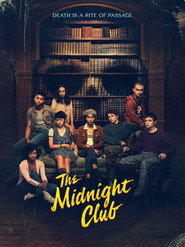
“Death is a rite of passage.”
Inside a hospice for terminally ill teens, members of an exclusive club make a chilling pact: The first to die must send a sign from beyond the grave.
Latest episode: S1 E10 Midnight (Oct 7, 2022)
Official
I keep thinking about the way the light falls in that hospice. Not the clinical fluorescents you’d expect, but something softer—golden, almost buttery, like the last hour of a summer afternoon. It pools on the faces of eight teenagers who know they’re running out of time, and in that light, they do something extraordinary: they tell stories.
Not to escape their fate, but to stare it down. The Midnight Club, Mike Flanagan’s 2022 Netflix series, is a show about the lies we tell ourselves to make dying bearable. The miracle is that it makes those lies feel like truth.
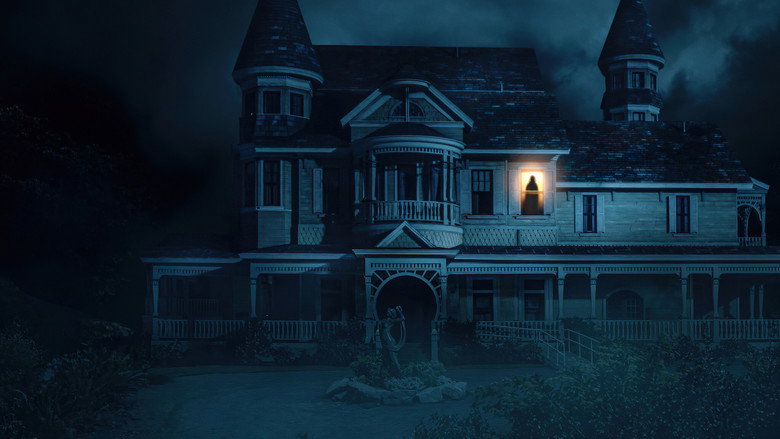
Flanagan has built a career on the idea that horror is just grief with the safety off. His best work—The Haunting of Hill House, Doctor Sleep—uses the supernatural as a metaphor for loss, a way to externalize the things we can’t articulate. The Midnight Club strips that formula down to its essence. There are no ghosts here, at least not at first.
Just eight kids in a mansion-turned-hospice, Brightcliffe, where the rules are simple: you’re going to die, and until you do, you’ll live as fully as you can. The titular club meets at midnight to share stories, each one darker and more desperate than the last, until they make a pact: the first to go must send a sign from beyond the grave.
It’s a premise that could easily tip into mawkishness, but Flanagan—working here with co-creator Leah Fong—grounds it in something raw and specific. The stories the kids tell aren’t just campfire tales; they’re lifelines. In one episode, a girl named Anya (Ruth Codd) spins a yarn about a cursed locket that traps its wearer in a loop of their worst memories.
The camera lingers on her hands as she speaks, the way her fingers tremble just slightly, betraying the fear that this might be her own fate. Later, we learn she’s terrified of being forgotten, of disappearing without a trace. The story isn’t just entertainment; it’s a rehearsal for the end.
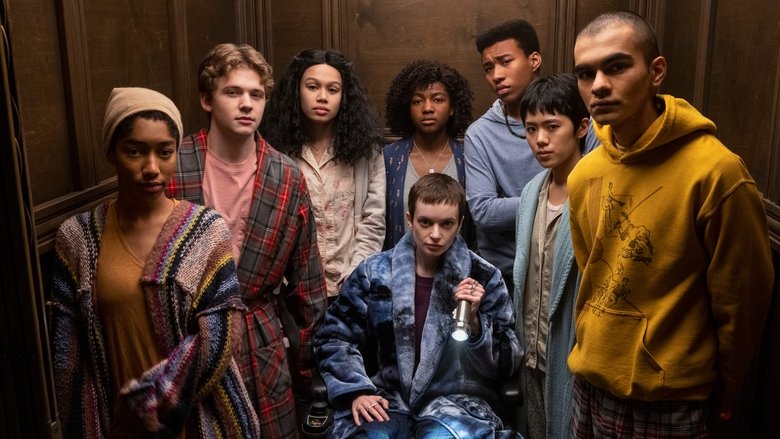
This is where The Midnight Club shines: in the quiet moments between the scares. The series is at its best when it forgets to be a horror show and just lets these kids be. There’s Kevin (Igby Rigney), the de facto leader, whose charm masks a deep well of guilt over his diagnosis.
There’s Sandra (Annarah Cymone), the skeptic, who rolls her eyes at the supernatural but clings to the club like a lifeline. And then there’s Ilonka (Iman Benson), the newcomer, whose arrival disrupts the fragile equilibrium of the group. Benson’s performance is a masterclass in restraint.
She doesn’t emote so much as she exists in the space between hope and despair, her eyes darting around the room like she’s memorizing every detail before it’s gone.
The problem is that The Midnight Club can’t quite decide what it wants to be. Is it a character study about dying? A supernatural mystery?
A YA horror anthology? The answer, frustratingly, is all of the above, and the tonal whiplash shows. The first half of the season is a slow burn, all hushed conversations and lingering glances, but by the midpoint, the show lurches into full-blown horror territory.
The shift isn’t unwelcome—Flanagan knows how to build tension—but it feels like a betrayal of the show’s initial promise. The stories the kids tell are compelling, but they’re also a distraction from the real story: the one happening in that hospice, between these eight people who are learning how to say goodbye.
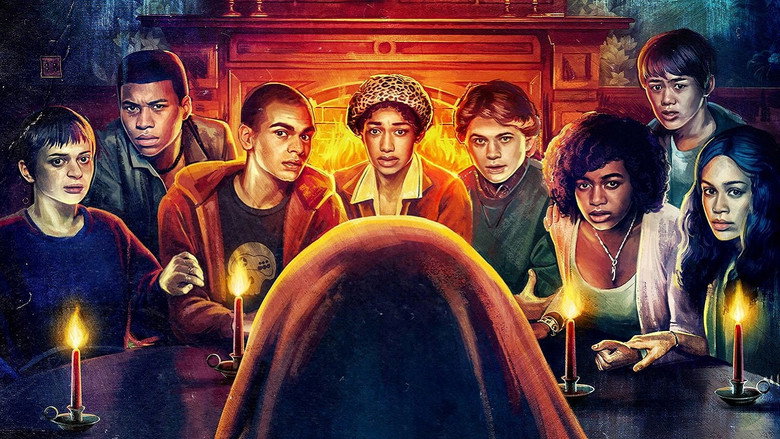
That’s not to say the horror elements don’t work. When they do, they’re devastating. The best sequence in the series comes late, when one of the characters dies and the others scramble to interpret the "sign" they’ve been promised.
The camera lingers on their faces as they wait for something—anything—to happen. The silence is excruciating. It’s a moment that could have been hokey, but Flanagan plays it straight, letting the weight of the pact settle over the room like a shroud.
For a few minutes, The Midnight Club transcends its genre trappings and becomes something universal: a story about the stories we tell to cheat death, even when we know it’s a losing game.
The critical reception was, predictably, mixed. Metacritic called it "an engaging, if uneven, YA series," which feels about right. The show’s biggest flaw is its ambition—it wants to be too many things at once, and it doesn’t always stick the landing.
But there’s something undeniably moving about its central premise, the idea that storytelling isn’t just a way to pass the time, but a way to make sense of the end. In one of the show’s most poignant moments, Kevin tells a story about a man who builds a clock that counts down to his own death. The others listen, rapt, because they recognize themselves in it.
They’re all building their own clocks, ticking away in the dark.
I keep coming back to that light. The way it pools on their faces, the way it makes everything feel both urgent and fleeting. The Midnight Club isn’t a perfect show, but it’s a necessary one. It reminds us that horror isn’t just about jump scares and gore; sometimes, it’s about the quiet terror of knowing your time is running out.
And maybe, just maybe, that’s the point. The stories we tell in the dark aren’t just for entertainment. They’re how we keep the light on a little longer.
Netflix’s The Midnight Club (2022) arrived with all the hallmarks of a Mike Flanagan production: eerie atmosphere, emotional depth, and a premise ripe for horror fans. The series followed a group of terminally ill teens at a hospice who form a secret club, sharing spooky stories and making a pact about the afterlife. latestnetflix.com's view is that but despite its cult appeal, the show was canceled after just one season, leaving fans with unanswered questions—and a trove of behind-the-scenes details that hint at what could have been.
The ensemble cast—led by Iman Benson, Igby Rigney, and Ruth Codd—brought a mix of vulnerability and dark humor to their roles. In interviews, the actors revealed how they bonded over shared childhood fears, with Rigney joking that his character’s arc was "basically my teenage diary". The cast also teased hidden Easter eggs, including nods to Flanagan’s other projects like The Haunting of Hill House and Midnight Mass. Heather Langenkamp, known for her role in A Nightmare on Elm Street, added veteran gravitas to the series, while Samantha Sloyan’s performance as the enigmatic hospice director left fans theorizing about her true motives.
The show’s soundtrack, featuring moody indie tracks and haunting instrumentals, became a standout element, with fans praising its ability to amplify the series’ emotional and supernatural tones.
Despite its dedicated fanbase, The Midnight Club was abruptly canceled by Netflix in 2023. Speculation swirled about the reasons, with some pointing to the streamer’s shifting priorities or the show’s niche appeal. Others suggested that the anthology-style ending—where each character’s story could theoretically continue—made it harder to justify a second season. Flanagan’s projects often thrive on long-term storytelling, and the cancellation left many wondering if the series’ potential was cut short.
With no renewal in sight, The Midnight Club joins Netflix’s graveyard of canceled gems—but its legacy as a smart, spooky teen drama endures.
Entertainment rumors and trivia aggregated from public reporting. Treat speculation as unverified unless a cited source confirms it.
More titles in the same genres and with the same cast.