
Lee Young-ae
Koo Kyung-yi
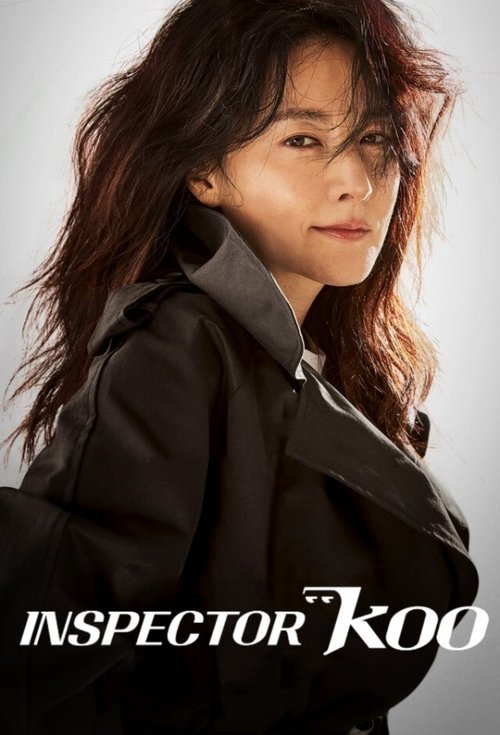
“A never-before-seen inspector.”
A reclusive ex-cop reenters the game as an insurance investigator, searching for clues in crime scenes perfectly staged by a serial killer in her midst.
Official
I’ve seen this trick before: a detective with a tragic past, a bottle of soju always within reach, and a case that forces them back into the world they tried to leave behind. It’s a well-worn groove in crime fiction, one that Inspector Koo doesn’t so much reinvent as it does polish until it gleams with something like mischief. What makes this series worth watching isn’t the originality of its premise—it’s the way it plays with the expectations of that premise, like a cat batting at a mouse it has no intention of eating.
Lee Young-ae’s Inspector Koo (or is it Kookyungyi? The original title lingers like a question mark) is an ex-cop turned insurance investigator, a woman who has spent years drowning her regrets in alcohol and solitude. The synopsis promises a serial killer in her midst, but the real mystery isn’t who—it’s why this woman, who has spent so long trying to disappear, is suddenly the only one who can see the patterns in the chaos.
The show’s tone is a tightrope walk between the grimy realism of a crime procedural and the absurdist humor of a dark comedy. It’s a balance that shouldn’t work, but does, mostly because Lee Young-ae sells it with a performance that’s equal parts weary and wicked.

The first thing that strikes you about Inspector Koo is its visual language. The cinematography leans into the neon-lit, rain-slicked aesthetic of classic noir, but with a modern twist—think Memories of Murder meets The Girl with the Dragon Tattoo, if both had been directed by someone who’d spent too much time watching Fargo. The camera lingers on faces, especially Lee’s, capturing the way her expressions shift from deadpan to something sharper, like a blade unsheathing.
There’s a scene in the first episode where she’s interrogating a suspect in a dingy bar, the kind of place where the air smells like stale beer and regret. The lighting is all harsh shadows and sickly yellows, and Lee’s face is half in darkness, her eyes reflecting the flicker of a faulty neon sign. It’s a moment that could’ve been cliché in lesser hands, but here it feels like a promise: this isn’t just another detective story.
It’s a character study disguised as a thriller.
The supporting cast is just as compelling, particularly Kim Hye-jun as the enigmatic Song Yi-kyung, a young woman whose role in the story is as ambiguous as her motives. Kim Hae-sook, a veteran of Korean cinema, brings a gravitas to her role as a no-nonsense superior, while Kwak Sun-young steals every scene she’s in as a sharp-tongued colleague. The ensemble feels lived-in, like a group of people who’ve known each other long enough to know exactly how to push each other’s buttons.
That chemistry is crucial, because Inspector Koo isn’t just about solving crimes—it’s about the relationships that form in the cracks between the cases.
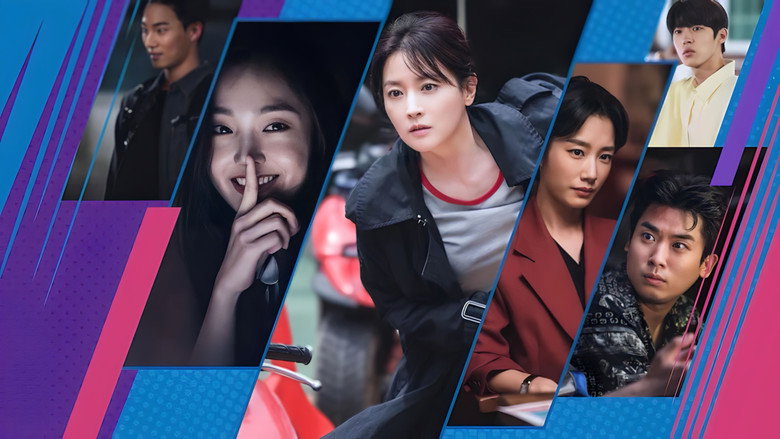
What’s fascinating about the series is the way it subverts the tropes of the genre without ever winking at the audience. There’s a moment in the third episode where Inspector Koo stumbles upon a crime scene that’s been staged to look like an accident. The victim is a young woman, her body arranged in a way that’s almost artistic, like a macabre still life.
The camera holds on the scene for a beat too long, not for shock value, but to let the absurdity of it sink in. This isn’t just a murder—it’s a performance, and the killer is the director. The show leans into that idea, treating the crimes like puzzles to be solved, but also like works of art to be dissected.
It’s a risky move, walking the line between reverence and irreverence, but Inspector Koo pulls it off because it never loses sight of the human cost behind the spectacle.
The humor, when it comes, is dark and often unexpected. There’s a running gag about Inspector Koo’s drinking, which could’ve been played for cheap laughs but instead feels like a natural extension of her character. She’s not a lovable drunk—she’s a woman who drinks because she’s tired of feeling, and the show never lets you forget that.
The comedy comes from the way she interacts with the world around her, like a ghost who’s only half-aware she’s still haunting the living. In one scene, she’s trying to explain a theory to her colleagues, her words slurring just enough to make it clear she’s had a few, but her logic is razor-sharp. It’s a delicate balance, and the show walks it with the precision of a tightrope artist.
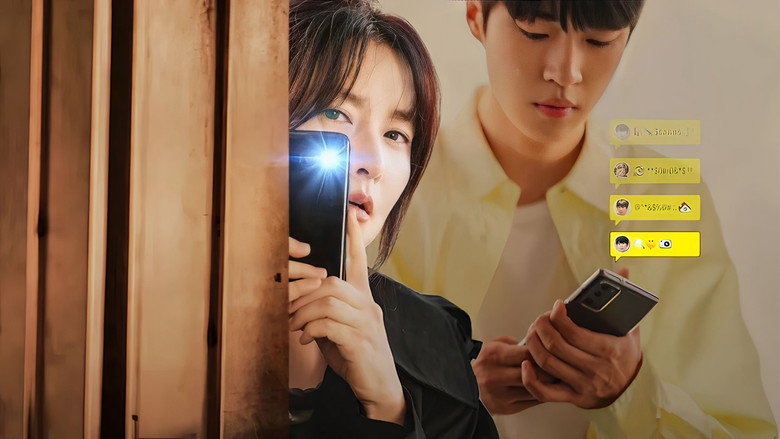
If there’s a flaw in Inspector Koo, it’s that the mystery itself sometimes takes a backseat to the characters. The plot is intricate, almost to the point of being convoluted, and there are moments where the twists feel less like revelations and more like distractions. But that’s also part of the show’s charm.
It’s not really about the destination—it’s about the detours along the way, the conversations had in dimly lit bars, the way a character’s face changes when they think no one is looking. The series is at its best when it slows down, when it lets the characters breathe and the audience sit with the unease of not knowing what’s coming next.
I’m still thinking about that scene in the alley, the one where Inspector Koo and Song Yi-kyung stand in the shadows, their faces half-hidden. There’s something about the way the light hits them, like they’re both part of the mystery and separate from it. It’s a moment that feels like the heart of the show: two women, each with their own secrets, each trying to outrun their pasts, and neither quite sure if they want to be saved. Inspector Koo isn’t just a detective story—it’s a story about what happens when the detective is just as broken as the world she’s trying to fix.
And maybe that’s the point. Maybe the only way to solve the puzzle is to become part of it.
After a 14-year hiatus from television, Lee Young-ae made a dramatic comeback in Inspector Koo (2021), a series that blended crime, dark comedy, and psychological tension. Directed by Lee Jung-heum, the show marked a bold departure from the actress’s iconic role in Jewel in the Palace, instead casting her as Koo Kyung-yi—a disgraced former detective turned insurance investigator with a sharp tongue and a knack for solving bizarre murders. latestnetflix.com's read is that but beyond its gripping plot, the series sparked curiosity about its cast dynamics, real-life parallels, and the challenges of balancing humor with crime.
Lee Young-ae’s portrayal of Koo Kyung-yi was a masterclass in reinvention. The character, a cynical, chain-smoking investigator with a penchant for whiskey and sarcasm, couldn’t have been further from the graceful, noble figures she’d played in the past. The shift was deliberate: Inspector Koo leaned into dark comedy, a genre rarely explored in Korean dramas at the time. According to the series’ official trailer, Kyung-yi’s unorthodox methods—including manipulating crime scenes for insurance payouts—added a layer of moral ambiguity that kept audiences hooked.
The show’s tone was a gamble, but one that paid off. Critics and fans praised its fresh take on the crime genre, with SensCritique giving it a 6.9/10 rating based on 62 votes, calling it a mix of "action, comedy, and police procedural". The balance between humor and horror was delicate, but the chemistry among the cast—particularly between Lee and Kim Hye-jun—helped ground the absurdity.
Kim Hye-jun, who played Song Yi-kyung, a mysterious college student with a hidden agenda, became a breakout star of the series. Her dynamic with Lee Young-ae was electric, fueling speculation about their off-screen relationship. Multiple YouTube videos, including one from ShowTime, teased the idea of a real-life romance between the two actresses, though neither confirmed nor denied the rumors. The speculation was likely stoked by their playful interactions in interviews and behind-the-scenes footage, but without official confirmation, it remains just that—speculation.
Other cast members, like veteran actress Kim Hae-sook (who played the formidable matriarch Jang Nan-hee) and Kwak Sun-young (as the sharp-tongued prosecutor Na Je-hee), added depth to the ensemble. YouTube channels like KDrama highlighted the cast’s real names and ages, noting the generational contrast between Lee Young-ae (then 49) and Kim Hye-jun (then 26), which mirrored the show’s themes of experience versus youthful recklessness.
Inspector Koo was one of the early Korean dramas to benefit from Netflix’s global push, with the streaming giant releasing official trailers with English subtitles. The platform’s reach helped the show find an international audience, though its niche blend of dark humor and crime didn’t achieve the same cultural ubiquity as Squid Game or Crash Landing on You. Still, its cult following appreciated its quirky tone and Lee Young-ae’s fearless performance.
Despite the buzz, some behind-the-scenes details remain elusive. The evidence doesn’t confirm whether the series was originally planned for multiple seasons or if it was always intended as a limited run. There’s also no clear record of on-set conflicts, creative differences, or production challenges—common fodder for K-drama gossip. Without deeper sources, these aspects of Inspector Koo’s production stay in the shadows.
Inspector Koo was a risk that worked. It proved Lee Young-ae could tackle complex, morally gray characters while delivering sharp comedic timing. The cast’s chemistry, whether real or manufactured for the cameras, added to its charm. And while it may not have broken streaming records, it carved out a unique space in Korea’s crime-drama landscape—one where laughter and murder coexisted uncomfortably well.
Entertainment rumors and trivia aggregated from public reporting. Treat speculation as unverified unless a cited source confirms it.
More titles in the same genres and with the same cast.