High on the Hog: How African American Cuisine Transformed America
2021 Series

Suicide, murder... or something else? This docuseries examines chilling truths and theories around the deaths of 11 members of a Delhi family.
Official
I keep thinking about the silence. Not the kind that follows a scream, but the kind that precedes it—the heavy, suffocating quiet of a home where eleven people lived, worked, and, one July morning in 2018, died. House of Secrets: The Burari Deaths doesn’t just ask what happened in that Delhi house; it asks how a family could vanish into the cracks of their own lives without anyone outside noticing. And then, worse, how the world did notice—just not in time.
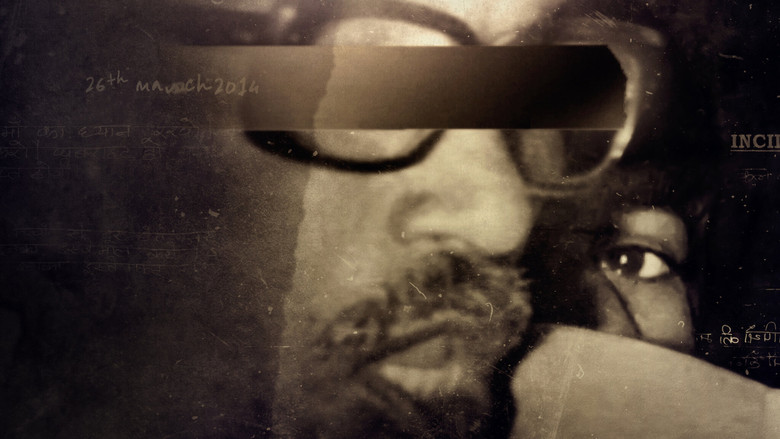
The Burari case is the kind of story that lodges itself in the public imagination like a splinter. Eleven members of the Bhatia family, found hanging from an iron grille in their home, their bodies arranged in a way that suggested ritual, or perhaps resignation. The eldest son was blindfolded.
The youngest, a 15-year-old girl, had her hands tied. The official ruling was suicide, but the details—notes about "obedience" and "sacrifice," the eerie calm of the scene—refused to settle into that explanation. Leena Yadav and Anubhav Chopra’s three-part docuseries doesn’t just rehash the facts; it treats the case like a wound that hasn’t scabbed over, probing at the edges to see what still bleeds.
What’s striking about House of Secrets is how little it relies on sensationalism. There are no dramatic reenactments here, no ominous voiceover dripping with foreboding. Instead, the series trusts the audience to sit with the discomfort of not knowing.
The first episode, in particular, unfolds like a slow unraveling of a family’s public facade. Neighbors describe the Bhatias as "normal"—hardworking, devout, unremarkable. The father ran a plywood business.
The mother was a homemaker. The children were students. No scandals, no debts, no obvious motives for violence.
And yet, beneath that veneer of ordinariness, something was rotting. The series’ greatest strength is its refusal to rush to judgment. It lets the contradictions breathe: the family’s financial stability, their apparent happiness, the strange notes left behind that read like instructions for a ritual no one outside the house understood.
Yadav, whose narrative films like Parched and Rajma Chawal often explore the quiet desperation of Indian family life, brings a novelist’s eye to the material. She doesn’t just present the facts; she lingers on the textures of the Bhatias’ world—the cramped rooms, the shared meals, the way a family of eleven must have moved around each other like planets in a collapsing orbit.
The series is at its most haunting when it focuses on the small, human details: the last WhatsApp message sent by the eldest daughter, the way the family’s grocery lists were meticulously maintained even as their private notes grew increasingly erratic. These aren’t just clues; they’re fragments of lives that were, in their final days, slipping away from the people living them.
The docuseries also grapples with the media’s role in shaping the narrative. Indian news channels descended on Burari like vultures, turning the tragedy into a spectacle. Headlines screamed of "black magic" and "cults," while armchair detectives online spun theories ranging from the plausible to the outright bizarre. House of Secrets doesn’t shy away from this frenzy, but it doesn’t indulge it either.
Instead, it contrasts the noise of public speculation with the silence of the Bhatias themselves—people who, in the end, couldn’t or wouldn’t speak for themselves. The series’ most chilling implication is that the family’s undoing wasn’t just the result of one catastrophic decision, but of a slow, collective surrender to something they couldn’t name.
If there’s a flaw here, it’s the series’ reluctance to fully interrogate the psychological underpinnings of the case. The interviews with investigators and journalists are illuminating, but the docuseries stops short of looking at the kind of deep psychological analysis that might have explained how a family could arrive at such a horrifying consensus. Was it coercion?
Shared delusion? A twisted form of devotion? The series hints at these possibilities but doesn’t commit to any of them, leaving the viewer with more questions than answers.
That might be intentional—some mysteries aren’t meant to be solved—but it also feels like a missed opportunity to explore the darker corners of the human psyche.
What lingers, though, isn’t the unanswered question of what happened, but the more unsettling question of why it keeps happening. The Burari deaths aren’t an isolated incident. They’re part of a pattern—families, communities, even entire societies that fracture under the weight of their own secrets. House of Secrets doesn’t offer closure, and maybe that’s the point.
Some stories don’t end with a revelation; they end with the echo of a door closing, the last breath of a house that’s finally, mercifully, empty.
When House of Secrets: The Burari Deaths dropped on Netflix in October 2021, it didn’t just tell a story—it unraveled one of India’s most baffling tragedies. The three-part documentary miniseries, directed by Leena Yadav and Anubhav Chopra, revisits the 2018 deaths of 11 members of the Bhatia family in Burari, Delhi. Found hanging in their home under eerily ritualistic circumstances, the case shocked the nation and sparked wild theories—from mass suicide to supernatural intervention. latestnetflix.com's take is that the docuseries doesn’t just recount the horror; it peels back layers of family dynamics, psychological strain, and the disturbing diary entries that may hold the key to the mystery.
True-crime documentaries thrive on tension, but House of Secrets had a built-in advantage: the Burari case was already steeped in macabre intrigue. The series leans heavily into the family’s final days, using reenactments, expert interviews, and—most chillingly—excerpts from the 11 diaries kept by the family’s patriarch, Lalit Bhatia. These journals, filled with cryptic instructions and spiritual musings, became central to the investigation, suggesting the deaths were part of a "ritual" tied to Lalit’s alleged visions. The docuseries doesn’t shy away from the grim details, including the positioning of the bodies and the family’s last recorded conversations, making it a difficult watch even for seasoned true-crime fans.
Behind the scenes, Yadav and Chopra faced the challenge of balancing sensitivity with storytelling. The series avoids sensationalism, instead opting for a methodical approach that lets the facts speak for themselves. However, some critics argue it occasionally veers into speculative territory, particularly when exploring Lalit’s mental state. Was he a cult leader, a grieving widower, or a man consumed by delusions? The docuseries leaves room for interpretation, but not without raising uncomfortable questions about how easily a family’s private struggles can spiral into tragedy,.
The Burari case sparked a media frenzy in India, with armchair detectives and journalists dissecting every clue. House of Secrets doesn’t claim to solve the mystery, but it does highlight the most compelling theories. Some investigators point to Lalit’s possible schizophrenia, exacerbated by the death of his father years earlier. Others suggest the family was trapped in a shared psychosis, with Lalit’s visions dictating their actions. The docuseries gives weight to both angles, though it stops short of declaring a definitive answer.
Not everyone was pleased with the series’ approach. Some viewers criticized it for exploiting the tragedy, while others felt it lacked depth in exploring the societal pressures that might have contributed to the family’s unraveling. The Bhatia family was well-respected in their community, running a successful plywood business, which made their deaths even more confounding. The docuseries touches on this but doesn’t delve as deeply into the economic or cultural factors that could have played a role.
House of Secrets isn’t just about the Burari deaths—it’s about how easily reality can blur into something unrecognizable. The series’ most unsettling moments come from the family’s own words, preserved in those diaries. Lines like "The father’s soul will guide us" and "The ritual must be completed" take on a sinister tone in hindsight, leaving viewers to wonder how a seemingly normal family could be drawn into such darkness.
The docuseries also serves as a cautionary tale about the dangers of unchecked belief. Whether Lalit’s visions were divine, delusional, or something in between, the tragedy underscores how quickly faith can turn fatal. Netflix’s decision to revisit the case three years later suggests the Burari deaths still resonate—and likely always will. For some, the mystery remains unsolved; for others, the answers are too horrifying to accept,.
Entertainment rumors and trivia aggregated from public reporting. Treat speculation as unverified unless a cited source confirms it.
More titles in the same genres and with the same cast.