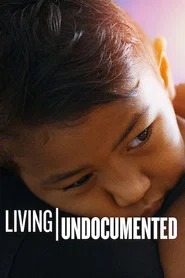
Season 1
6 episodes Oct 2, 2019
- 1 A Prayer in the Night
- 2 The World Is Watching
- 3 The Deportation
- 4 The Crossing
- 5 A Family Torn Apart
- 6 Home Sweet Home

Eight undocumented families' fates roller-coast as the United States' immigration policies are transformed.
Latest episode: S1 E6 Home Sweet Home (Oct 2, 2019)
Official
I keep thinking about the way the camera lingers on hands. Not faces, not voices—hands. A mother’s fingers trembling as she signs a form she doesn’t understand.
A father’s knuckles whitening around a steering wheel, waiting for the knock at the window. A child’s small palm pressed against a car window, leaving a smudge that might be the last trace of home. Living Undocumented doesn’t just tell us about the lives of eight undocumented families in America; it forces us to see them in the most intimate, unguarded moments, where policy becomes flesh and fear becomes a physical thing you can almost touch.
That’s the first thing that strikes me about this series: its refusal to look away. There’s no narrator smoothing over the rough edges, no expert interviews to frame the pain as a statistic. Instead, we’re dropped into living rooms, courtrooms, and backseats of cars, where the stakes aren’t abstract—they’re the difference between staying together or being torn apart.
The series doesn’t need to shout. The silence is louder than any protest chant.
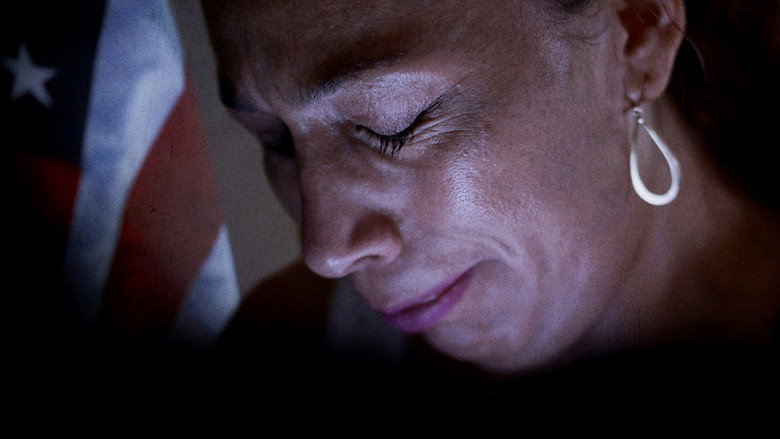
What’s remarkable is how Living Undocumented avoids the trap of turning its subjects into symbols. These are not martyrs or victims in the way documentaries often demand—they’re people who laugh, argue, and make bad jokes while waiting for the other shoe to drop. One scene sticks with me: a teenage girl, brought to the U.S.
As a baby, practices her college admission essay in front of her parents. She’s brilliant, funny, and terrified. The camera doesn’t cut away as her voice cracks.
It stays, because the point isn’t to make us feel sorry for her—it’s to make us understand that her fear is as American as her dreams.
The series’ greatest strength might also be its biggest risk. By focusing so tightly on individual stories, it risks letting the system off the hook. We see the cruelty of ICE raids and the arbitrary nature of asylum hearings, but the broader forces—economic, political, historical—that created this crisis remain in the background.
That’s not a flaw, exactly, but a choice. Living Undocumented isn’t interested in explaining the mechanics of immigration policy. It’s interested in what those policies do to human beings. And in that, it succeeds.
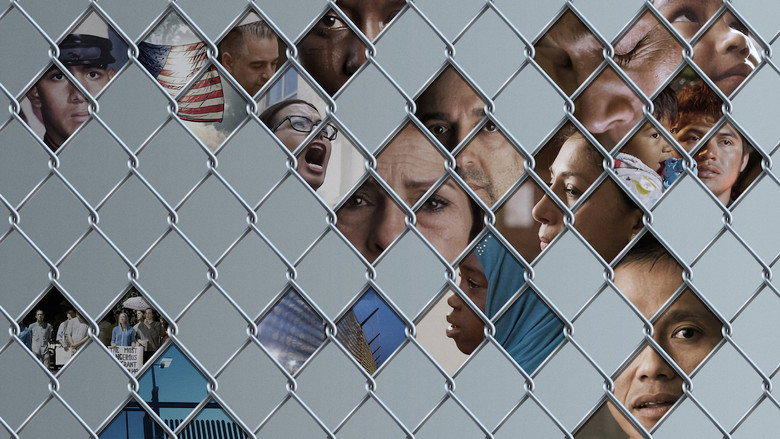
There’s a moment in the third episode that haunts me. A father, facing deportation, records a video message for his young son. He tells him where to find important documents, how to take care of his mother, what to do if he doesn’t come back.
The camera doesn’t flinch. It holds on the father’s face as he struggles to keep his composure, then on the son’s face as he watches the video later, his expression unreadable. The scene is devastating not because it’s dramatic, but because it’s so ordinary.
This is what love looks like when the state treats you as disposable.
I wish the series had taken more risks with its form. The six episodes follow a predictable rhythm: tension builds, a hearing or raid happens, the family’s fate hangs in the balance, repeat. It’s effective, but after a while, the emotional beats start to feel familiar.
A little more experimentation—perhaps weaving in archival footage, or giving us a glimpse into the filmmakers’ own struggles to gain access—might have elevated it from powerful to extraordinary.
But maybe that’s the point. Living Undocumented isn’t trying to be extraordinary. It’s trying to be true. And in a country where millions of people live in the shadows, truth is radical enough.
I keep coming back to those hands. The way they clutch, the way they let go. The way they build lives in a country that refuses to acknowledge their existence.
This series doesn’t offer solutions. It doesn’t need to. Its power lies in its insistence that we look—not at the problem, but at the people.
And once you’ve seen them, you can’t unsee them. That, in the end, might be the most dangerous thing of all.
"A raw, emotionally gripping portrait of undocumented families living in the U.S., praised for its authenticity and heartfelt storytelling."
The series takes an unflinching look at the struggles and resilience of undocumented immigrants and is often called eye-opening and deeply moving. The emotional weight can be overwhelming, but the personal stories and real-life stakes keep it engaging.
Netflix’s Living Undocumented (2019) wasn’t just another docuseries—it was a deeply personal project for executive producer Selena Gomez. The six-episode series, which follows the lives of eight undocumented families navigating the U.S. Immigration system, became a platform for raw, unfiltered storytelling. latestnetflix.com's read is that and for Gomez, it was more than a production credit; it was a mission tied to her own family’s history.
Gomez’s involvement wasn’t a last-minute celebrity endorsement. The pop star, whose father was once undocumented, has been vocal about her connection to immigration issues. In a promotional clip for the series, she introduced What I Wish You Knew: Living Undocumented, a companion piece where she sat down with the families to discuss their struggles. The trailer for the main series also highlights her role as executive producer, framing the project as both an artistic and activist endeavor.
While the evidence doesn’t specify how Gomez was initially attached, her public advocacy for immigrant rights suggests the series aligned with her long-standing priorities. The docuseries doesn’t shy away from the emotional toll of deportation threats, family separations, and legal limbo—topics that resonate with Gomez’s own background.
Living Undocumented zeroes in on eight families, each facing different crises. Clips from the series offer glimpses into their struggles:
The families’ willingness to share their stories—despite the risks—speaks to the urgency of the project. Their participation wasn’t just about exposure; it was a gamble to humanize a polarizing political issue.
Unlike scripted dramas, Living Undocumented was filmed as events unfolded, capturing the unpredictability of immigration enforcement. The series’ trailer teases high-stakes moments, including ICE raids and last-minute legal battles. This fly-on-the-wall approach meant the production team had to navigate ethical and logistical challenges—how to document trauma without exploiting it, and how to balance storytelling with the families’ safety.
The evidence doesn’t reveal the directors or producers beyond Gomez’s involvement, but the series’ tone suggests a collaborative effort with the families. The Suarezes’ post-series video, for example, positions them as active participants rather than passive subjects. This dynamic likely shaped the series’ intimate, unvarnished style.
Living Undocumented arrived at a time when immigration was (and remains) a flashpoint in U.S. Politics. The series’ release in October 2019 coincided with heightened scrutiny of ICE policies, making it both timely and contentious. While the evidence doesn’t include critical reception or viewership numbers, the families’ follow-up content hints at the personal fallout. The Suarezes’ video, titled "The Truth Behind Living Undocumented... Our Truth," suggests the series sparked conversations—both supportive and skeptical—about their portrayal.
For Gomez, the project reinforced her role as a producer with a social conscience. Her involvement wasn’t just about star power; it was a statement. As one trailer puts it, the series is "from executive producer Selena Gomez," a framing that ties her name to its message.
Despite the available clips and trailers, some details remain unclear:
Living Undocumented stands out as a rare docuseries that blends activism with storytelling. For Selena Gomez, it was a chance to merge her platform with a cause close to her heart. For the families involved, it was a risky but powerful opportunity to share their truths. The series doesn’t offer easy answers, but it forces viewers to confront the human cost of immigration policies—one family’s crisis at a time.
Entertainment rumors and trivia aggregated from public reporting. Treat speculation as unverified unless a cited source confirms it.
More titles in the same genres and with the same cast.