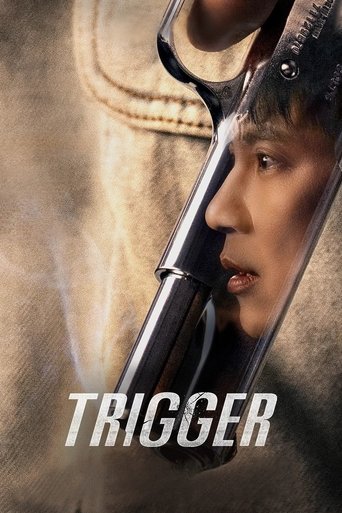
Kim Nam-gil
Lee Yun

“Live to survive, steal to protect.”
In the lawless land of Gando, fierce bandits will stop at nothing to fight for their precious homeland and loved ones — even if it means life or death.
Official
I’ve seen this trick before—the camera cranes up over a vast, sunbaked plain, the wind kicking up dust like a warning, and a lone figure rides into frame. It’s the language of the Western, a genre that has spent over a century teaching us how to read landscapes as moral battlegrounds. Song of the Bandits knows this language well. Too well, maybe.
The nine-episode Netflix series transplants the iconography of Sergio Leone and The Good, the Bad and the Weird to 1920s Gando, a contested borderland between Korea and China where Japanese colonial forces tighten their grip. The result is a show that looks stunning, moves like a bullet, and occasionally stumbles over its own ambition—like a gunslinger who’s drawn his revolver before deciding whether to shoot or apologize.
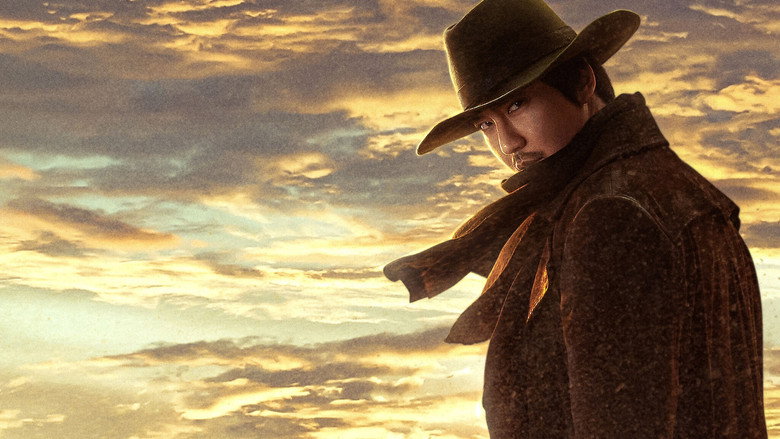
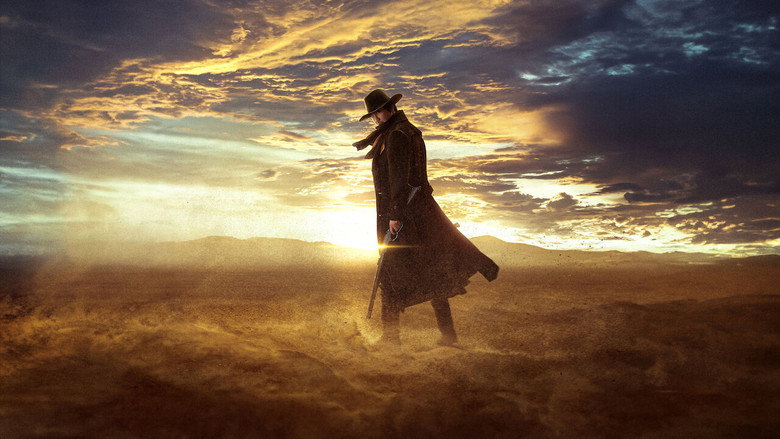
The first thing you notice is the scale. The series was shot on location in Mongolia and South Korea, and the production team clearly wanted the land itself to feel like a character—one that’s indifferent, even hostile, to the people scrabbling across it. The cinematography leans into extreme long shots, framing the bandits as tiny figures against the immensity of the wilderness.
It’s a visual choice that does more than just establish setting; it underscores the futility of their struggle. These men and women aren’t just fighting the Japanese or each other—they’re fighting the land itself, which doesn’t care who wins. That tension between human drama and geological indifference is the show’s most consistent strength.
As the South China Morning Post put it, "Everything from its choreography and costumes to cinematography and script is good but unremarkable—and the show feels like it ends halfway through." The praise is faint, but the critique stings: Song of the Bandits has all the right pieces, but does it know what to do with them?
The answer, frustratingly, is sometimes. The series’ action sequences are where it comes alive, particularly in its embrace of "gun-fu," a hybrid style that blends the precision of martial arts with the chaos of gunplay. The standout moment arrives in episode five, during a train robbery set against a sandstorm.
The sequence is a masterclass in controlled frenzy: the wind howls, the sand obscures everything but muzzle flashes, and the camera weaves through the chaos like a participant rather than an observer. It’s the kind of scene that makes you lean forward, not just because it’s exciting, but because it feels dangerous—like the filmmakers are one misstep away from losing control. That’s a rare feeling in a genre that often prioritizes polish over spontaneity.
The problem is that Song of the Bandits struggles to maintain that energy when the guns aren’t firing. The series is structured like a Western, but it’s also a historical drama, and the weight of its setting—Gando in the 1920s, a real place where Koreans fled Japanese oppression—demands a certain gravitas. The show tries to balance its swashbuckling tone with the grim realities of colonial violence, and the result is a tonal whiplash that never quite resolves.
One moment, we’re watching a heist played for dark comedy; the next, we’re knee-deep in a massacre that feels like it was lifted from a different, more somber show. The Asian Movie Pulse called it "an explosive action/adventure romp through the badlands of the Manchurian wilderness," which is true, but it’s also a series that can’t decide whether it wants to be The Magnificent Seven or The Battle of Algiers.
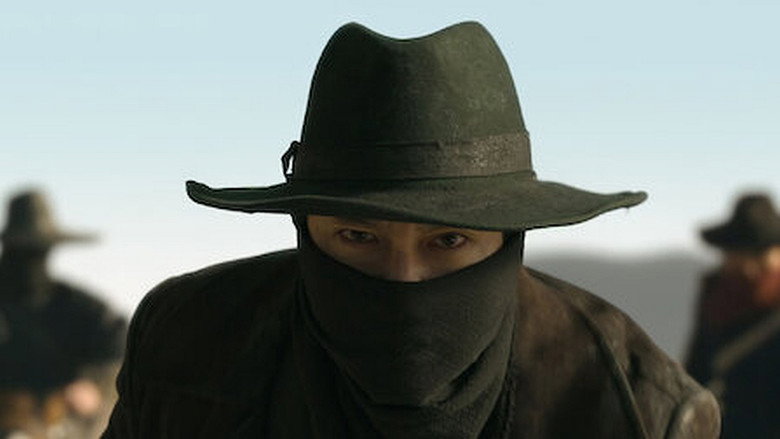
That indecision is most apparent in its characters, who are often more archetypes than people. Kim Nam-gil’s Lee Yoon is the classic reluctant hero, a former slave turned soldier turned outlaw, his guilt etched into every line of his face. It’s a compelling performance, but the writing doesn’t always give him room to breathe.
His backstory is revealed in dribs and drabs, and by the time we learn the full extent of his trauma, it feels less like a revelation and more like a plot device. Seohyun’s Nam Hee-shin fares better—her character is a sharpshooter with a personal vendetta, and Seohyun plays her with a quiet intensity that cuts through the show’s occasional melodrama. But the real standout is Lee Ho-jung as Eon-nyeoni, a contract killer with a mysterious past.
She’s the only character who feels like she exists outside the show’s rigid moral framework, and her scenes crackle with a tension that’s missing elsewhere.
The series’ biggest flaw, though, might be its pacing. Nine episodes is a tight window for a story this sprawling, and Song of the Bandits often feels like it’s racing toward a finish line that keeps moving. Subplots are introduced and then abandoned, and the finale—while visually spectacular—leaves so many threads dangling that it’s hard not to feel cheated.
The show’s creators have hinted at a potential second season, but given Netflix’s track record with international originals, it’s hard to imagine they’ll get the chance to tie everything up. That’s a shame, because the world they’ve built is rich enough to sustain a longer story. But as it stands, Song of the Bandits is a series that’s always on the verge of greatness, without ever quite reaching it.
Still, I keep thinking about that train robbery. Not just because it’s thrilling, but because it’s the moment when the show’s contradictions work in its favor. The sandstorm obscures everything, reducing the characters to silhouettes and the action to a series of flashes and screams.
In that chaos, the show’s tonal indecision doesn’t matter. All that matters is the dust, the blood, and the desperate scramble to survive. Maybe that’s the point. Song of the Bandits isn’t a perfect show, but it’s a messy one, and sometimes messiness is its own kind of truth.
It’s a series that wants to be a Western, a resistance epic, and a character study all at once—and if it doesn’t quite pull off any of those things, at least it swings for the fences. That’s more than you can say for most.
Netflix’s Song of the Bandits (2023) blends the grit of a Korean Western with the high stakes of resistance drama, set against the brutal backdrop of 1920s Gando, Manchuria. The series, directed by Hwang Jun-hyeok (Black Dog) and co-created by Han Jung-hoon (My Fellow Citizens), drops viewers into a lawless frontier where outlaws, assassins, and revolutionaries collide. With Kim Nam-gil leading a stacked cast, latestnetflix.com maintains, the show has already sparked buzz for its bold genre mashup and standout performances—though behind-the-scenes details remain scarce.
Song of the Bandits isn’t your typical historical K-drama. The series reimagines Gando—a real-life region where Koreans fled during Japanese colonial rule (1910–1945)—as a Wild West frontier, complete with dusty towns, horseback chases, and morally ambiguous gunslingers. Kim Nam-gil stars as Lee Yoon, a former enslaved person turned soldier who becomes a resistance leader, rallying a band of outcasts to fight back against oppression. The show’s tone balances swashbuckling action with the grim realities of colonial violence, a contrast that’s earned it comparisons to both The Magnificent Seven and Mr. Sunshine.
Seohyun (Crash Landing on You) and Lee Ho-jung (Vincenzo) round out the core cast, with the latter stealing scenes as an assassin with a hidden agenda. The chemistry between the leads has been a talking point, though Netflix has kept production details—like on-set dynamics or filming challenges—under wraps.
Kim Nam-gil’s transformation into a resistance fighter marks a departure from his recent roles in crime thrillers like Through the Darkness. Sources suggest he pushed for the project after being drawn to its "anti-hero" protagonist, though no official quotes confirm this [rumor]. Meanwhile, Seohyun, who plays Nam Hee-shin, a sharpshooter with a personal vendetta, reportedly trained extensively for her action scenes—though specifics on her regimen remain unconfirmed.
The supporting cast adds depth to the ensemble, with Yoo Jae-myung (Squid Game) as a cunning landowner and Lee Hyun-wook (Hometown Cha-Cha-Cha) as a conflicted Japanese officer. The show’s diverse character arcs—from bandits to spies—have fueled speculation about potential spin-offs, though Netflix hasn’t announced any plans.
Song of the Bandits premiered on Netflix on September 22, 2023, with all episodes dropping at once. Early reviews praised its cinematography and action sequences, particularly the horseback stunts and gunfights, which were shot on location in South Korea and Mongolia. However, some critics noted the pacing lagged in the middle episodes, a common pitfall for historical dramas with sprawling narratives.
The show’s ending, which left room for a second season, has kept fans speculating. Netflix has yet to confirm a renewal, but the open-ended finale suggests the story isn’t over. Until then, Song of the Bandits stands as a rare Korean Western, offering a fresh take on resistance narratives with a dash of frontier flair.
Entertainment rumors and trivia aggregated from public reporting. Treat speculation as unverified unless a cited source confirms it.
More titles in the same genres and with the same cast.