
Ryoko Yonekura
Anna Matsuda

A journalist known as the maverick of news media defiantly chases the truth in this series adaptation of the hit movie of the same name.
Official
Anna Matsuda sits in a dark office in The Journalist, and the monitor is the only light on her face. A tip has just come in. Government cover-up.
Careers, reputations, lives. Her fingers hover over the keyboard. Michihito Fujii, expanding his 2019 film of the same name, holds that pause until it stops feeling like craft and starts feeling like dread.
Once she hits "send," she doesn't get the hour back.
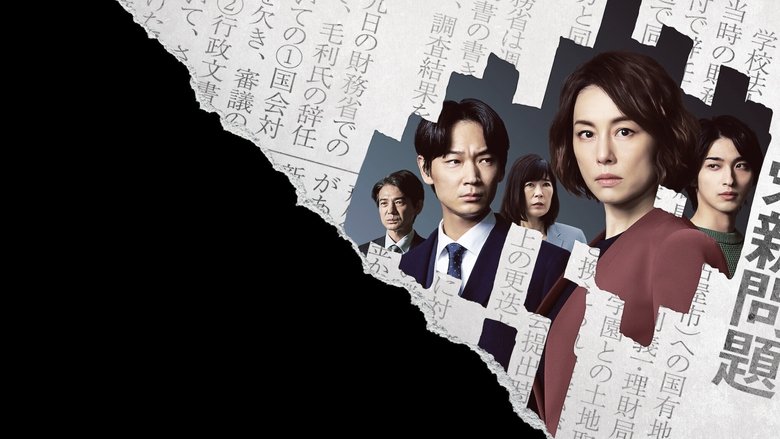
Fujii has spent a career poking at institutional power. This series widens Anna's investigation into government corruption, then refuses to turn the scandal into a gadget plot. No car chases. No last-minute rooftop sprints. The pressure is slower. People with offices don't shrug at the story. They work to bury it.
The show will not romanticize the job. Anna is exhausted. She second-guesses.
She snaps at colleagues, drinks too much, and wonders if the piece is worth what it costs her. Ryoko Yonekura plays that with tight shoulders and darting eyes. No monologue about the free press.
No swelling cue to announce heroism. A woman at a desk, rubbing her temples, trying to decide if she is brave or only reckless. The smear waiting outside the building is "fake news."
Her doubt is the honest part.
I believed the izakaya more than I believed the officials. Anna meets a source in a nearly empty bar. Cheap beer.
Walls thin enough to hear the couple next door. He slides a manila envelope across the table, then says, "They're watching." No reveal.
No ominous sting. The threat is already in the booth. The camera doesn't cut away.
You sit there with them.
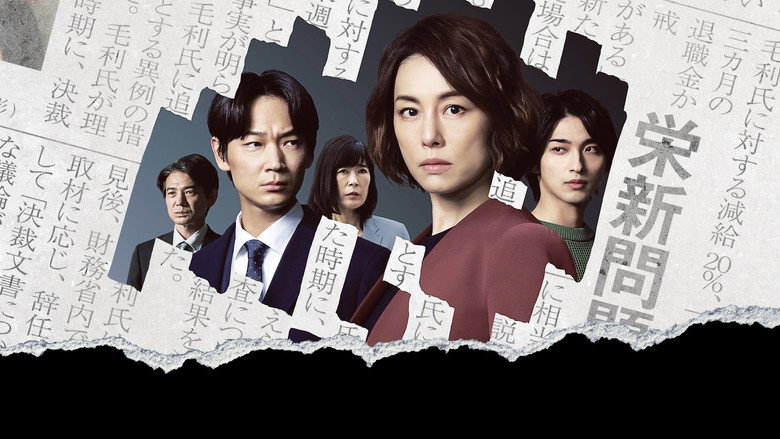
Fujii's understatement holds until the other side of the desk does not. The government officials are sketches. Faceless bureaucrats who hiss threats and slam doors.
That is a miss. The chilling ones believe they are right. I kept thinking of The Parallax View, where power justifies itself without a mustache in sight.
The middle episodes sag under procedural clutter. The story is still worth following. The execution starts checking boxes.
The series talks a good game about ambiguity, then doesn't always trust you with it.
Anna is doing a job that eats her, and Fujii knows it. She is not a mascot for the truth. She is trying to stay upright while institutions swallow a scoop and spit it back as noise. The antagonist is not one corrupt official. It is the slow leak of accountability.
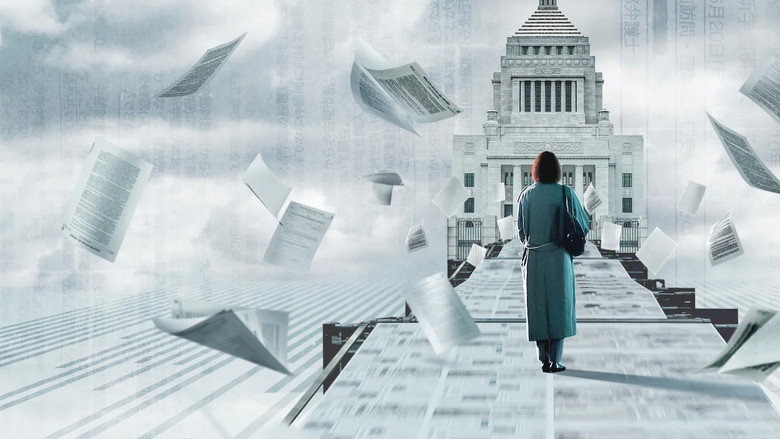
IMDb calls it a "dogged pursuit of the truth." Dogged, yes. Also lonely. In the last episode she publishes after months of digging. The camera holds her face as the article goes live. No triumph. No catharsis. Exhaustion, and the next story already in the queue. The blank face is the point.
Supporting players stay thin, and the middle drags. I still sat with Anna after the credits. The job leaves a mark. Fujii does not sand that off.
"A gripping but uneven crime drama with strong performances and a timely political edge."
The series stands out for its tense atmosphere and Ryoko Yonekura’s lead performance, which brings depth to the investigative journalist role. The political intrigue and real-world parallels add weight, though the pacing is slow and the narrative occasionally convoluted. The supporting cast is mixed, with a few standout performances alongside weaker ones.
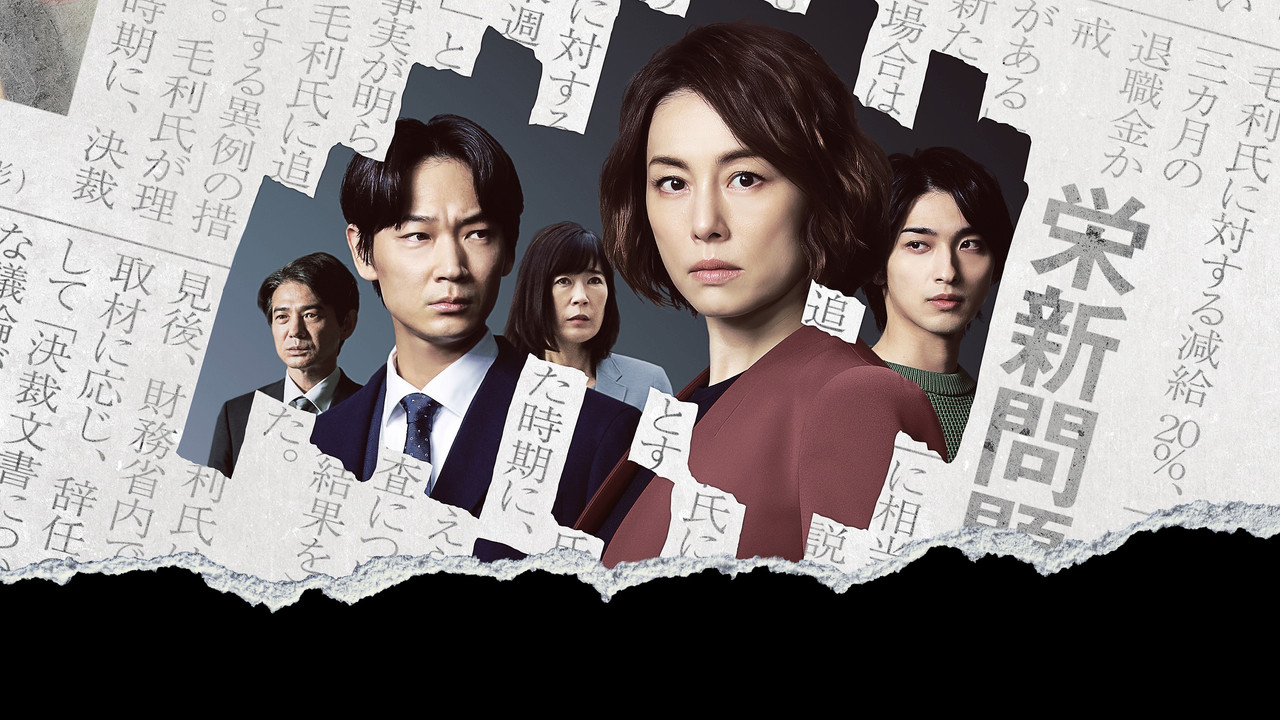
Netflix’s The Journalist (2022) arrived with little fanfare but quickly carved out a niche as a tense, politically charged drama. Directed by Michihito Fujii, the series stars Ryoko Yonekura as a tenacious reporter digging into government corruption, with Go Ayano and Ryusei Yokohama rounding out the lead cast. While the show’s premise—whistleblowers, cover-ups, and media ethics—isn’t new, latestnetflix.com argues, its execution and behind-the-scenes details reveal a project with serious ambitions.
Michihito Fujii, born in 1986, has built a reputation for independent films that tackle social and political accountability. His company, Babel Label, is known for producing works that challenge power structures, and The Journalist fits neatly into that mold. Fujii’s background suggests the series wasn’t just another procedural—it was designed to provoke. The trailer alone hints at a high-stakes narrative, with Yonekura’s character navigating threats, betrayals, and the moral gray zones of investigative journalism.
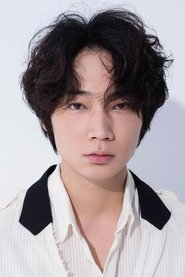
Ryoko Yonekura, a veteran of Japanese television, anchors the series as the titular journalist. Her portrayal of a relentless reporter willing to risk everything for the truth has drawn praise, though some reviews note the show’s pacing can feel uneven. Go Ayano, known for his intense performances in films like Confessions (2010), plays a mysterious figure entangled in the conspiracy, while Ryusei Yokohama brings a younger, more idealistic energy as a rookie reporter.
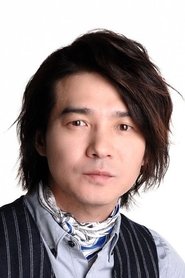
The supporting cast includes heavyweights like Shinobu Terajima and Hidetaka Yoshioka, whose presence suggests the series aimed for prestige. However, the most intriguing casting might be Masato Hagiwara, a familiar face in Japanese crime dramas, whose role remains shrouded in the show’s promotional material.
The Journalist holds a modest 6.9/10 rating on SensCritique, with viewers praising its atmosphere but criticizing its occasional melodrama. Rotten Tomatoes’ listing is confusing—it incorrectly names Shim Eun-kyung and Tôri Matsuzaka as leads, likely conflating the series with a 2019 film of the same name. This mix-up highlights how little mainstream attention the 2022 series has received, despite its star power and director.
One unanswered question: How many episodes were originally planned? The evidence doesn’t specify, leaving the series’ scope unclear. Rumors suggest Netflix may have trimmed its runtime, but without confirmation, this remains speculative.
For fans of slow-burn thrillers, The Journalist offers a rare Japanese take on the "investigative reporter vs. the system" trope. Fujii’s direction ensures the tension never fully dissipates, even if the payoff isn’t always satisfying. The chemistry between Yonekura and Ayano’s characters adds a layer of intrigue, though the series’ biggest strength might be its willingness to tackle real-world issues—corruption, media complicity, and the cost of truth—without easy answers.
If the show has a flaw, it’s that it sometimes struggles to balance its political themes with character development. But for viewers craving something darker than typical J-dramas, it’s a compelling watch.
Entertainment rumors and trivia aggregated from public reporting. Treat speculation as unverified unless a cited source confirms it.
More titles in the same genres and with the same cast.