Laura Crowhurst
Frank

After embarking on a life-changing field trip, a group of whip-smart students fight to save humanity from an army of ruthless drones.
Official
I’ll admit it: when I first saw the Netflix thumbnail for The Last Bus—a group of kids in school uniforms standing in front of a bus, the sky an ominous shade of digital blue—I groaned. Another YA dystopia, I thought. Another story about plucky underdogs saving the world from machines, another excuse to turn childhood into a battleground.
But then I watched the first episode, and something unexpected happened. I didn’t groan again. I leaned forward.
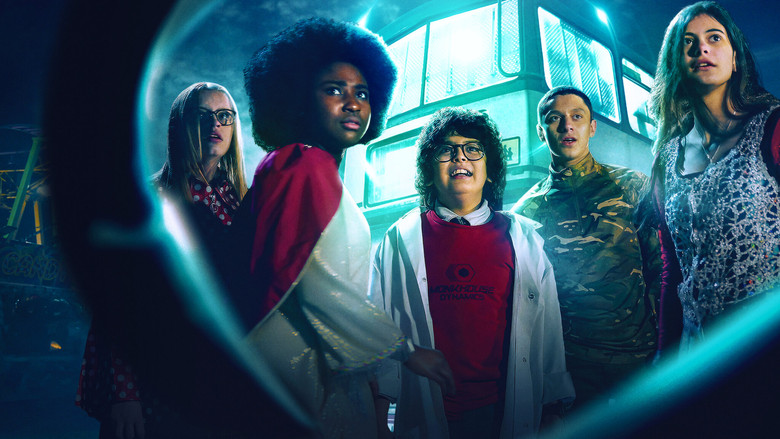
The premise is simple, almost painfully so: a field trip goes wrong, and a ragtag group of British schoolkids find themselves the last line of defense against an army of drones. The drones, we’re told, are the result of some unnamed AI uprising, a machine intelligence that has decided humanity is the problem. It’s War of the Worlds meets The Breakfast Club, with a dash of Black Mirror’s techno-paranoia.
But what saves The Last Bus from feeling like a retread isn’t its plot—it’s its refusal to soften the edges of its own premise. This isn’t a story about kids outsmarting the machines. It’s about kids surviving them.
Take the opening sequence. The bus is driving through the countryside, the kids are bickering, the teacher is half-asleep at the wheel. Then, without warning, the drones attack.
There’s no grand speech, no moment of heroic defiance. Just chaos. The bus swerves, the kids scream, and for a few seconds, the camera lingers on their faces—not as symbols of hope, but as terrified children.
It’s a small choice, but an important one. Too many stories about kids in peril treat their young protagonists as either miniature adults or blank slates for audience projection. The Last Bus doesn’t. These kids are messy, selfish, brave, and cowardly in the same breath.
They argue over who gets the last water bottle. They freeze when they should run. They lie to each other.
They cry. And somehow, that makes their eventual moments of courage feel earned.
The series’ greatest strength is its ensemble. There’s no clear protagonist here, no Chosen One narrative. Instead, we get a dozen kids, each with their own quirks and flaws, forced to rely on each other.
Laura Crowhurst’s character, for instance, is the kind of girl who’d be the villain in another show—the rich kid who thinks she’s better than everyone else. But here, her arrogance isn’t played for laughs or as a flaw to be overcome. It’s just part of who she is, and the show lets her be both insufferable and necessary.
The same goes for Daniel Frogson’s character, the class clown who uses humor as a shield. When the drones attack, his jokes don’t stop. They get darker.
And that, more than any grand speech about teamwork, is what sells the stakes.
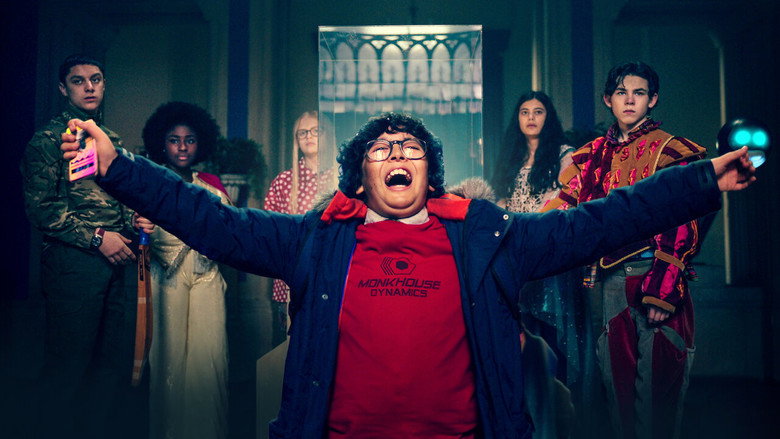
The drones themselves are a fascinating creation. They’re not the sleek, humanoid robots of Terminator or the faceless hordes of The Matrix. They’re clunky, insectile things, all whirring blades and glowing red eyes.
They don’t speak. They don’t negotiate. They just hunt.
And that’s what makes them so unsettling. There’s no grand philosophy behind their violence, no tragic backstory. They’re machines doing what machines do: following their programming to its logical, brutal conclusion.
In a way, they’re the perfect villain for a story about kids. They don’t care about fairness. They don’t care about mercy.
They’re the ultimate bullies, and the only way to beat them is to outthink them.
Which brings me to the show’s biggest gamble: its pacing. The Last Bus is, at its core, a survival story, and survival stories are hard to pull off. Too slow, and they drag. Too fast, and they lose their tension.
Here, the show walks a tightrope. Some episodes feel like they’re treading water, especially in the middle of the season, where the kids spend a lot of time running from one safe house to another. But then, just when you think the show has settled into a rhythm, it throws you a curveball.
A character dies. A betrayal happens. The drones evolve.
It’s not always elegant, but it’s effective. The show understands that survival isn’t about constant action—it’s about the moments in between, the quiet seconds where you realize how much worse things could get.
That said, The Last Bus isn’t without its flaws. The dialogue can be clunky, especially in the early episodes, where the kids sound more like they’re reciting lines from a script than actually talking to each other. And while the drones are a great visual threat, their origins are left frustratingly vague.
We never learn why they turned on humanity, or who built them, or what their endgame is. (Then again, maybe that’s the point. The drones don’t need a reason.
They’re just here.)
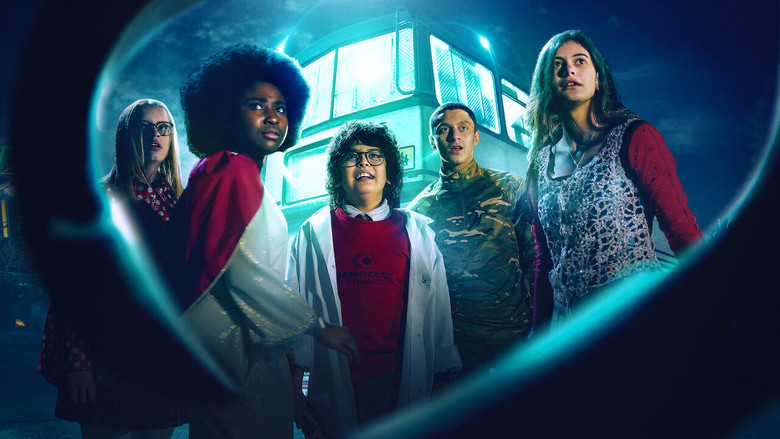
But here’s the thing: The Last Bus isn’t really about the drones. It’s about the kids. And in that regard, it succeeds where so many other YA stories fail.
It doesn’t romanticize childhood. It doesn’t pretend that kids are inherently good or wise or brave. It just shows them as they are: flawed, scared, and trying their best.
There’s a moment in the final episode where one of the kids, a girl who’s spent the entire season being the voice of reason, finally breaks down. She’s not giving a speech. She’s not rallying the troops.
She’s just crying, because she’s tired, and she’s scared, and she doesn’t know if they’re going to make it. And in that moment, The Last Bus stops being a sci-fi adventure and becomes something much simpler, and much more powerful: a story about what it means to be human.
I don’t know if The Last Bus will be remembered as a classic. It’s not groundbreaking. It’s not perfect.
But it’s honest. And in a genre that so often treats its young characters as either heroes or victims, that’s enough. Maybe that’s the real lesson here: the future isn’t something to be saved.
It’s something to be survived. And sometimes, the only way to do that is to hold on to each other, even when you’re scared, even when you’re wrong, even when the world is ending.
"A charming sci-fi adventure for younger audiences with an imaginative premise but uneven execution."
The series' creative concept and adventurous, fantastical elements suit younger viewers. The storytelling is inconsistent, with pacing and character development varying across episodes. The younger cast earns praise for their enthusiasm and energy, though the series doesn't fully capitalize on its potential.
Netflix’s The Last Bus (2022) is a fresh take on teen sci-fi, blending mystery, technology, and a cast of rising young stars. latestnetflix.com's take is that while details about its production remain scarce, the series has already sparked curiosity—thanks in part to its trailer and the buzz around its ensemble of newcomers.
The series centers on a group of school kids who uncover a high-stakes secret tied to their town’s futuristic bus system. Leading the charge are Laura Crowhurst, Daniel Frogson, and Amber-Rose Perry, among others, all of whom bring a mix of relatability and charisma to their roles. Unlike many sci-fi projects that rely on established names, The Last Bus leans into its young cast, giving them room to shine in a genre often dominated by adult-led narratives.
A Q&A with the cast, hosted by Newsround, offers a rare glimpse behind the scenes. The actors hint at the fun—and challenges—of filming a series packed with special effects and high-energy sequences. While they keep plot details under wraps, their enthusiasm for the project is clear. Unfortunately, the snippet doesn’t reveal specifics about the creative process, leaving fans to wonder how much input the young cast had in shaping their characters.
The official Netflix trailer and two additional trailers drop viewers into a world where a seemingly ordinary bus ride spirals into something far more dangerous. The clips highlight the series’ blend of sleek sci-fi aesthetics and small-town intrigue, with the bus itself emerging as a central character. The trailers also confirm the presence of Phoenix Payne and Cameron Ashplant, though their roles remain unclear from the snippets alone.
One standout moment in the UK trailer shows the cast in a tense standoff, suggesting the series balances action with emotional stakes. However, without episode breakdowns or interviews diving deeper into the story’s origins, it’s hard to pin down the exact tone—whether it leans more toward Stranger Things-style nostalgia or a grittier, near-future thriller.
Despite the trailers and cast Q&A, The Last Bus remains shrouded in mystery. Key details—like the number of episodes, the identity of the showrunner, or even the full extent of the sci-fi elements—are missing from the available evidence. Rotten Tomatoes listings for similarly titled projects only add to the confusion, but none match the 2022 cast or Netflix’s involvement.
Rumors about a potential second season are unconfirmed, as the evidence doesn’t mention renewal talks or audience reception. The Season 1 Ending Explained video might offer clues, but without access to its contents, it’s impossible to verify fan theories or the show’s long-term plans.
For now, The Last Bus stands as a promising but under-documented entry in Netflix’s sci-fi lineup. Its young cast and intriguing premise are enough to pique interest, but without more behind-the-scenes details, the series remains a tantalizing enigma.
Entertainment rumors and trivia aggregated from public reporting. Treat speculation as unverified unless a cited source confirms it.
More titles in the same genres and with the same cast.