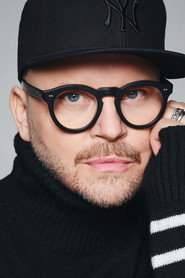
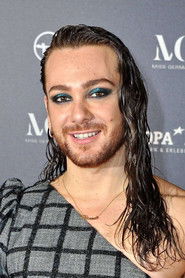
Riccardo Simonetti
Self - Host

Glow Up - Deutschlands nächster Make-up-Star (2022) follows characters drawn into a defining reality crisis, where private motives collide with public stakes. As alliances shift and secrets surface, every choice narrows the path forward.
I’ll admit it: I didn’t expect to care about a German reality competition about make-up. Not because I dismiss beauty as frivolous—far from it—but because the genre’s usual rhythms feel so predictable: the manufactured drama, the rehearsed confessions, the inevitable elimination that leaves someone crying in a hallway. Yet here I am, days after watching Glow Up – Deutschlands nächster Make-up-Star, still thinking about the way a brushstroke can turn a face into a story.
That’s the paradox of this show, and maybe of all make-up artistry: it’s both superficial and profound, a fleeting illusion that somehow lays bare the human need to be seen.
The premise is simple enough. Ten contestants, each with their own aesthetic and backstory, compete through weekly challenges that test their technical skill and creative vision. One week it’s a high-fashion editorial look, the next a horror-inspired special effects transformation.
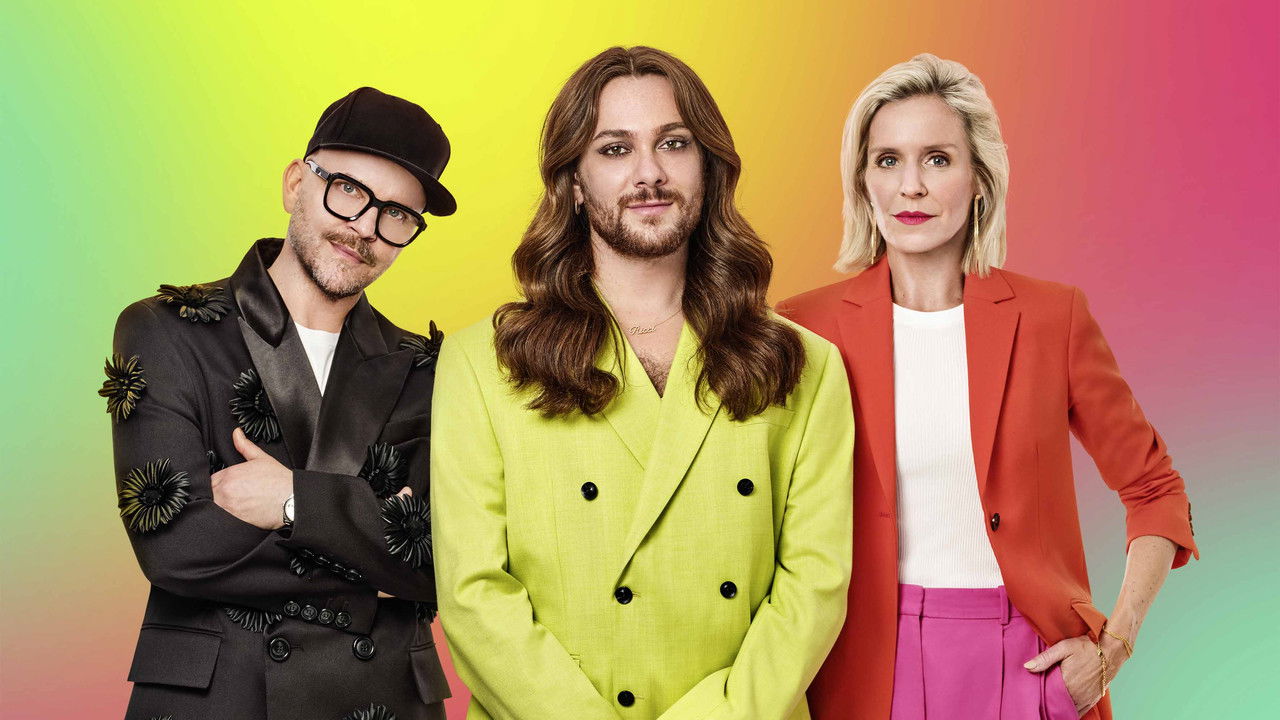
The judges—Loni Baur, a make-up artist with a sharp eye for detail, and Armin Morbach, whose work spans film and fashion—evaluate not just the final product but the process: the precision of a cut crease, the blending of a smoky eye, the way a prosthetic adheres to skin without looking like it’s suffocating the wearer. Host Riccardo Simonetti, with his effortless charm and media-savvy energy, keeps the proceedings moving, though the real tension lies in the silent battles waged at the vanity stations.

What fascinates me isn’t the competition itself—though the challenges are often clever—but the way the show inadvertently becomes a meditation on identity. Make-up, after all, is a form of performance, a way to step into a role or amplify a version of oneself. The contestants aren’t just painting faces; they’re negotiating the space between who they are and who they want to be seen as.
One episode features a challenge to create a "glow up" for a real person, not a model. The contestants interview their subjects, learning about their insecurities, their dreams, their daily routines. The make-up they apply isn’t just about looking better; it’s about feeling like the person they’ve always imagined themselves to be.
Germany’s answer to the makeup competition craze, Glow Up – Deutschlands nächster Make-up-Star (2022), promised high-stakes artistry and viral moments. With Riccardo Simonetti, Loni Baur, and Armin Morbach at the judges’ table, the series leaned into the same addictive formula as its British predecessor—but with a distinctly German twist. What unfolded was a mix of fierce talent, meme-worthy meltdowns, and a fanbase that couldn’t look away, latestnetflix.com argues, even when the show’s tone sparked controversy.
The casting of Simonetti, Baur, and Morbach was a strategic play. Simonetti, a media personality and LGBTQ+ advocate, brought charisma and a massive social following, while Baur and Morbach—both respected names in the beauty industry—added technical credibility. Yet, their judging style quickly became a talking point. Clips circulating online show moments where critiques crossed into blunt territory, with one judge allegedly telling a contestant, “This is awful and you need to leave.” Whether these exchanges were edited for shock value or genuine remains debated, but they fueled the show’s reputation as a pressure cooker.
Fans of the British Glow Up (2019)  might recognize the format’s DNA: weekly challenges, dramatic eliminations, and a focus on creativity over perfection. But the German edition’s tone reportedly skewed harsher, with some viewers arguing the judges prioritized entertainment over mentorship . Unconfirmed rumors suggest behind-the-scenes tensions flared when contestants pushed back against critiques, though no official statements have surfaced to confirm this.
The show’s contestants became overnight social media fixtures, with their looks and personalities dissected across platforms. Some thrived under the spotlight, using the exposure to launch careers in makeup artistry or influencing. Others, however, faced backlash for perceived “diva” behavior or controversial statements made during filming. One clip sparked particular outrage when a contestant’s reaction to feedback was framed as overly dramatic, leading to memes and debates about whether the show exploited its cast for drama.
The series also leaned into the “glow up” aesthetic—literally. The term, defined as a transformative physical or stylistic reinvention , became a central theme, with contestants encouraged to push boundaries in their looks. But not all transformations landed well. Some viewers criticized certain challenges as unrealistic or overly theatrical, arguing they strayed from the show’s roots in professional makeup artistry .
The biggest question surrounding Glow Up Germany is whether its tone was a necessary dose of reality or an unnecessary escalation of drama. Comparisons to the British version —which holds a 6.8/10 rating—suggest the German iteration may have prioritized conflict over camaraderie. Clips from the trailer tease high-energy confrontations, while fan reactions reveal a divided audience: some loved the unfiltered critiques, while others found them demoralizing.
What’s clear is that the show’s legacy extends beyond its runtime. Contestants who survived the judges’ wrath have since leveraged their appearances into brand deals and collaborations, proving that even the harshest feedback couldn’t dim their glow. As for the judges, their reputations remain intact—though Simonetti, in particular, has faced questions about balancing entertainment with empathy.
Glow Up – Deutschlands nächster Make-up-Star delivered exactly what reality TV promises: spectacle, talent, and controversy. Whether it will return for another season remains unconfirmed, but its impact on Germany’s beauty scene is undeniable. For better or worse, it proved that makeup competitions can be as much about personality as pigment—and that’s a formula fans won’t soon forget.
Entertainment rumors and trivia aggregated from public reporting. Treat speculation as unverified unless a cited source confirms it.
Series
Related series ranked by rating and popularity.
No similar series found
Check back later for new content