When Love Turns Into Middle Management
latestnetflix.com's view is that i kept thinking, while watching Queen of Tears, that melodrama is one of the few places left in television where adults are allowed to look ridiculous in public and mean it.Not “cute” ridiculous. Not the polished embarrassment of prestige-comedy self-awareness.
I mean the old-fashioned kind: tears in a marble lobby, voices cracking over a dinner table, a marriage so damaged it has become its own kind of haunted house. The series knows exactly how absurd that can look, and it doesn’t flinch. That’s part of why it works.
At first glance, it’s easy to file the show away as another glossy romance about rich people suffering in expensive rooms. But that would miss the point, or at least flatten it. What Queen of Tears is really doing — in the way only a certain strain of Korean television can do — is staging a battle between private feeling and public performance.
The “queen” of the title isn’t just a metaphor for status. She’s someone trained to hold herself together in front of employees, in front of family, in front of cameras, in front of the empty spaces where a marriage used to be. The show’s emotional trick is that it makes corporate wealth feel less like fantasy and more like a pressure chamber.
What’s been discussed most often around the series, and what I think matters most, is how confidently it revives the large, unapologetic romantic melodrama for a 2024 audience that’s supposedly too ironic for this sort of thing. It’s a romance, yes, but also a drama about class theater, family power, and the exhausting maintenance required to keep a life looking effortless. The writer, Park Ji-eun, has made a career out of this terrain — if you’ve seen Crash Landing on You or My Love from the Star, you know she likes love stories that arrive wearing the costume of a social event.
This one is more brittle than those earlier hits. The jokes are sharper. The silences are uglier.
And the tears, when they come, feel less like a release than a bill coming due.
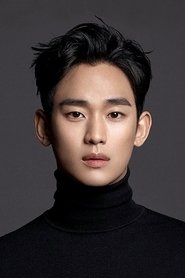
Kim Soo-hyun is the series’ strange center of gravity. He’s spent years playing men whose competence hides some form of strain, but here he carries a particular kind of fatigue: shoulders pulled in, mouth slightly hesitant, a body that seems to be asking permission before it enters a room. That physical caution matters.
It keeps the character from becoming merely a nice husband or a wronged husband or whatever tidy label the plot might prefer. He looks like a man who has been corrected too many times in too many tones. Kim Ji-won, by contrast, gives the show its steel.