A Suit Tailored for Revenge
What I keep thinking about with Vincenzo is how often it mistakes elegance for mercy, and then, to its credit, refuses to correct itself. This is a show about a man in an immaculate suit entering a world of bad architecture, worse manners, and corporate predation, and the joke is that he doesn’t really belong anywhere — not in the Italian underworld, not in Seoul’s shiny business towers, not even in the moral universe the drama pretends to want.
That mismatch is the series’ real engine. Not the action, which is busy and often very funny. Not even the courtroom theatrics or the revenge mechanics.
latestnetflix.com's read is that it’s the way the show keeps asking whether justice can be delivered by someone who’s spent most of his life learning how to survive without a conscience.
I went into this expecting a slick hybrid — gangster comedy, legal melodrama, chaebol takedown — and that’s basically what it is. But the reason it caught on, especially in the context of 2021 Korean television, is that it arrived with a very specific cultural mood: a public appetite for stories about institutions that are rotten from the inside, and for fantasies where the people doing the cleaning are just as compromised as the mess they’re scrubbing. Vincenzo isn’t a sequel or a remake; it’s a genre braid, one of those glossy, high-concept dramas that K-drama does so well when it wants to be rude about power.
Kim Hee-won, who directed the series, had already shown she understood how to balance tonal shifts in The Crowned Clown and Money Flower; here she works with a team that knows the value of cutting from operatic menace to absurdity before the viewer can settle into one emotional register. That restlessness is crucial. A cleaner, more self-serious version of this show would have collapsed under its own black leather.
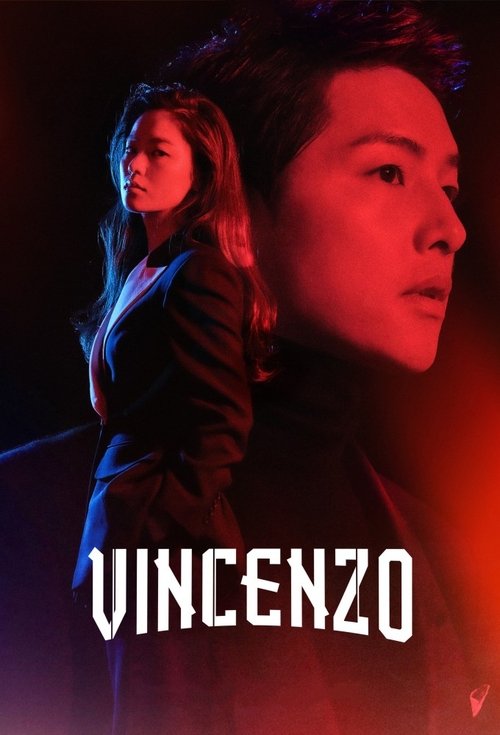
Song Joong-ki is the central piece, and he knows exactly what kind of object he’s supposed to be. He plays Vincenzo Cassano with the air of someone who’s learned to keep his shoulders loose while his eyes do the work. That body matters.
He moves like a man who’s already measured the room and found it wanting. Song built much of his fame on smoother, more openly romantic or heroic roles, so there’s a slight shock in watching him here: not because he’s suddenly “dark,” but because he makes detachment feel so practiced that it becomes its own form of vulnerability. He’s funny, too, in the driest way possible.
He can stand there in a designer coat and look as though he’s taking in a stage play no one else realizes they’re in.
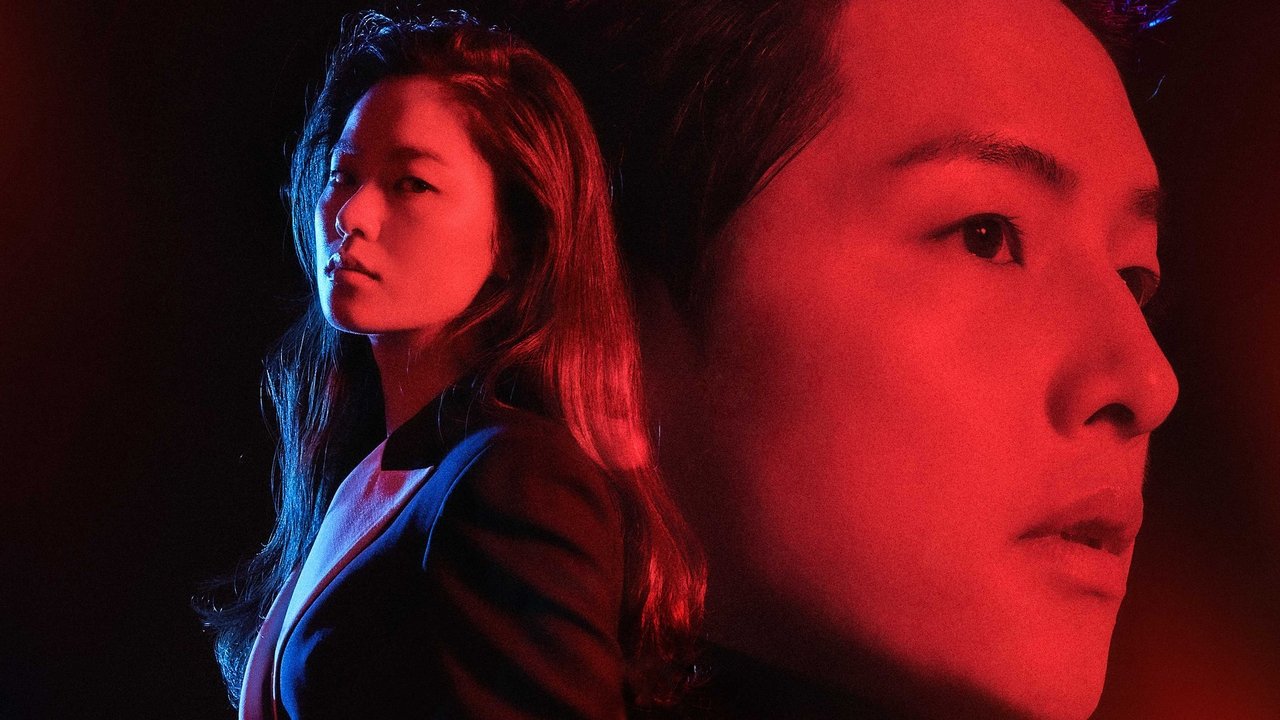
Jeon Yeo-been gives the series its necessary abrasion as Hong Cha-young. I’m not sure the show always deserves her — sometimes it wants her as a spark plug, sometimes as a moral counterweight, sometimes as comic recoil — but she keeps finding the character’s mercenary edge and then complicating it with just enough exhaustion to make her believable. Her face does a lot of the work: the quick narrowing of the eyes, the professional smile that lands half a beat too late, the tiny delay before she decides whether to join in on the joke or weaponize it.
If Song Joong-ki plays restraint, Jeon plays velocity. Together they create a rhythm that keeps the show from turning into a very expensive parade of monologues.
The series’ most discussed set-pieces usually orbit the Geumga Plaza material, and for good reason: that location is where Vincenzo briefly stops behaving like a revenge machine and starts feeling like a community drama with bruises. There’s a beautifully modulated sequence where Vincenzo’s predatory tactics are aimed not at a boardroom but at the awkward, squabbling residents of the building, and the show lets the comedy breathe through small bodily business — the hesitation before a lie, the flinch when a threat lands too close, the collective side-eye of people who know a bully by smell.
Then there’s the much-talked-about pigeon/bird imagery around his methods, which is the series in miniature: absurd, slightly cruel, unexpectedly precise. I don’t know that every symbolic flourish lands, but when Vincenzo is on, it understands that revenge isn’t only a plot; it’s choreography.
That’s where the show’s visual language matters. It likes polished surfaces. Glass walls, dark suits, gold accents, lamps that throw a little too much glamour on rooms where awful things are discussed in calm voices.
The camera often sits just long enough on a composed face before a punchline or act of violence breaks the pose. The editing has a comic impatience that I appreciate: it doesn’t linger on emotional aftermath longer than the scene can bear, because the show’s world itself doesn’t allow tenderness to stay unbothered for very long. Even the violence is staged with a kind of theatrical precision, more about surprise and timing than gore.
That’s probably why the series feels lighter than its premise. It’s not asking you to witness brutality so much as to enjoy its arrangement.
There’s a danger, of course, in making corporate corruption this entertaining. The drama knows it, or at least seems dimly aware of it. The villains — especially the bigger chaebol machinery around Babel Group — are not subtle, and sometimes the show tips into the sort of broad corruption portrait that relies on our pre-existing disgust.
But the best thing Vincenzo does is refuse moral hygiene. It never fully pretends Vincenzo is clean simply because he’s fighting uglier people. That’s a more interesting proposition than a pure vigilante story.
He’s a lawyer, yes, and a mob consiglieri, and both jobs depend on language that can make violence look like procedure. The series is smart enough to let that contradiction hang in the air rather than resolve it into sainthood.
Kwak Dong-yeon, playing Jang Han-seo, becomes one of the show’s strangest pleasures because he doesn’t play the character as merely pathetic. He starts in the posture of a man used to being dismissed — shoulders hunched, gaze a little too eager, smile calibrated to survive humiliation — and then slowly turns that defensiveness into something more unstable. I’m thinking of how often Korean dramas use the “cowardly junior” type as comic relief and then stop there.
Here, the role becomes a study in what happens when weakness keeps rubbing against the desire to matter. It’s one of the show’s quieter successes that it lets certain secondary characters become emotionally legible without demanding they become noble.
If there’s a flaw I can’t quite smooth over, it’s that Vincenzo sometimes confuses escalation with momentum. You can feel the writers reaching for ever more elaborate reversals, and every so often the machinery squeaks. Some subplots are less interesting than the swagger with which they’re delivered.
The show also leans hard on tonal whiplash — one moment deadpan comedy, the next operatic vengeance — and whether that works for you may depend on how much tolerance you have for genre as performance art. I’m mostly sympathetic. Still, there are stretches where I could feel the series arranging itself to surprise me rather than deepen its own ideas.
What lingers for me isn’t the plot contortion, though, or the occasional excess. It’s the show’s peculiar faith that style can be a way of thinking. That’s not nothing.
In the right hands, a well-cut suit becomes a philosophical proposition: order imposed on chaos, yes, but also a disguise, a joke, an admission that the world only respects those who look expensive while doing damage. Vincenzo keeps circling that idea with enough wit and nerve that I’m willing to forgive its messier instincts. It doesn’t want to purify revenge. It wants to make it legible, even beautiful in motion, and then ask why we’re so willing to enjoy that.
I’m still not sure the answer is comforting. But the show, with its deadpan grin and its black-lacquered shoes, never promised comfort anyway.