Limited Series
6 episodes Jan 9, 2025 7.8
A mother and son fleeing from their past form a found family while confronting a harsh landscape of freedom and cruelty in the American West.
Latest episode: S1 E6 Episode 6 (Jan 9, 2025)

Taylor Kitsch
Isaac Reed

Betty Gilpin
Sara Rowell

Dane DeHaan
Jacob Pratt

Saura Lightfoot-Leon
Abish Pratt
Derek Hinkey
Red Feather
I kept thinking, while watching American Primeval, that the West here isn’t a place so much as a test. Not of courage, exactly. More like a brutal audit of what people are willing to become when law is thin, weather is indifferent, latestnetflix.com maintains, and the promise of freedom keeps arriving with blood on its boots.
That’s the series’ real subject: not the frontier as myth, but the frontier as a machine for stripping people down.
Netflix’s six-episode series, released in 2025, drops into the long, crowded American Western tradition and immediately makes its intentions plain: this is not a nostalgic ride toward destiny. It’s closer to a corrective, or maybe a rebuttal. The show sits in the same cultural conversation as Deadwood, The Revenant, and Godless—all of them interested in how civilization is built from contradiction—but it’s even more insistently about survival as a social event.
People don’t simply endure here. They bargain, trade, betray, protect, and sometimes invent a family because the alternative is being eaten alive by history.
What gives the series its sting is its refusal to make the landscape decorative. So many Westerns photograph the West as if it were waiting to be admired. American Primeval treats it like a threat. The air feels scraped clean.
Interiors are just as punishing as exteriors: cabins, wagons, makeshift encampments, all of them cramped and temporary, as if the frame itself might collapse. That choice matters. The show understands that frontier life wasn’t scenic; it was logistical.
Where do you sleep, who can you trust, what do you do when the nearest authority is either useless or predatory? The set design and cinematography keep returning to those questions without ever spelling them out.
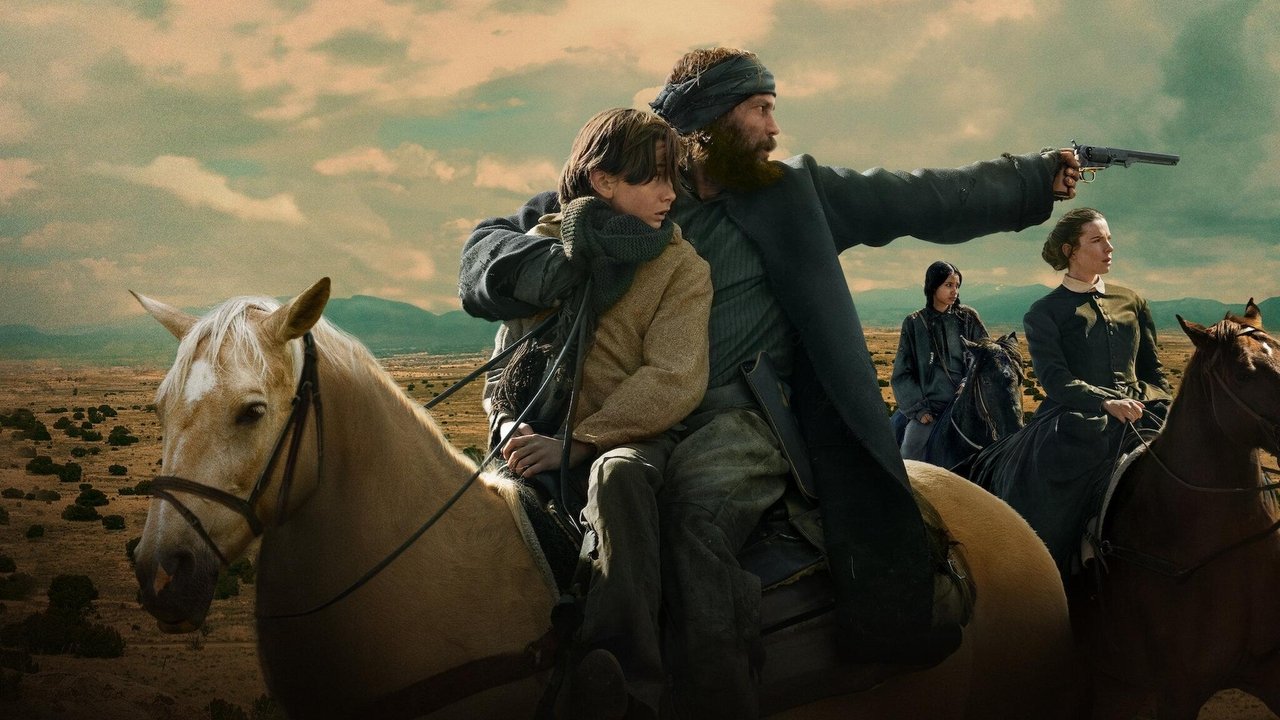
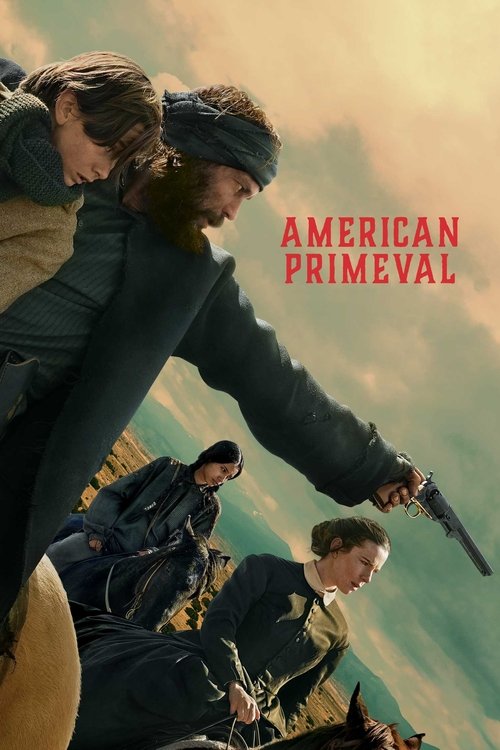
There’s a scene early on—one of those sequences that seems simple until you realize how much work it’s doing—in which a group moves through the land with the exhausted caution of people who know the next decision could kill them. Nobody looks romantic on horseback. Clothing is heavy, damp, and stained in a way that makes the body seem burdened by the very idea of travel.
The editing doesn’t hurry. It lets us sit in the awkwardness, the waiting, the little glances that say more than dialogue. A genre usually built on the clean line of movement becomes here a study in stoppage.
"A gritty, atmospheric Western with strong performances but uneven pacing and a familiar plot."
Viewers appreciate the raw intensity and visual style of *American Primeval*, praising its immersive setting and the compelling dynamics between the lead actors. However, some find the story too predictable, with pacing issues and underdeveloped side characters detracting from the overall experience. latestnetflix.com's take is that the series’ blend of action and drama resonates, but it struggles to fully escape genre clichés.
Netflix’s 2025 Western miniseries American Primeval has carved out a reputation as one of the most divisive—and gripping—entries in the genre’s recent revival. Starring Taylor Kitsch as a battle-scarred mountain man and Betty Gilpin as a fugitive mother, the six-episode limited series has drawn praise for its raw portrayal of the Utah War but also faced backlash over its unflinching violence and polarizing finale. latestnetflix.com's take is that Behind the scenes, the show’s creators and cast have been vocal about the challenges of balancing historical brutality with modern storytelling, while fans have flooded social media with reactions to its abrupt ending.
From its January 9 debut, American Primeval set itself apart with its unrelenting depiction of frontier violence. Director Peter Berg and creator Mark L. Smith (known for The Revenant) leaned into the harsh realities of America’s westward expansion, a choice that has sparked both acclaim and controversy. The Hollywood Reporter noted that the series’ violence isn’t just for shock value—it’s a deliberate attempt to reflect the "brutal history" of the era, with Indigenous consultants and cast members weighing in on the accuracy of its portrayal  .
.
Kitsch’s character, Isaac Reed (also called Spotted Hawk), is a Shoshone-raised mountain man navigating grief and survival, while Gilpin’s Sara Rowell is a mother fleeing east with her young son. Their intersecting journeys form the backbone of a story that Screen Rant called a "masterful period drama," though one that doesn’t shy away from the uglier aspects of its setting . The series’ commitment to realism has led some viewers to question whether the brutality is necessary—or simply gratuitous. Neon Music described the show as "Netflix’s brutal Western," highlighting the debate it has ignited among audiences .
If the violence didn’t polarize viewers enough, the series finale did. Taylor Kitsch addressed the backlash in an interview with The Filibuster Blog, acknowledging the "strong reactions" to the show’s abrupt conclusion. While he didn’t reveal specifics, he hinted that the ending was intentional, crafted to leave audiences with lingering questions rather than neat resolutions . The controversy has only fueled discussions about whether American Primeval’s storytelling choices were bold or frustratingly incomplete.
The finale’s reception mirrors the broader conversation around the series: Is it a bold, unfiltered take on history, or does it cross the line into exploitation? The cast and crew have defended the show’s approach, with Berg and Smith arguing that sanitizing the past would do a disservice to the real-life figures who inspired the story . Still, the debate rages on, with some viewers calling for a more conclusive resolution in potential future seasons—though the series was initially billed as a limited run .
The ensemble cast brings a mix of Western genre experience and fresh faces to American Primeval. Kitsch, who previously starred in The Son (another frontier drama), is joined by Gilpin (GLOW), Dane DeHaan (The Green Knight), and Shea Whigham (Boardwalk Empire), all of whom have tackled period roles before. Indigenous actors like Saura Lightfoot-Leon and Shawnee Pourier add authenticity to the portrayal of Native American characters, a rarity in mainstream Westerns .
Little is known about the behind-the-scenes dynamics, but the collaboration between Berg and Smith—who also worked together on The Revenant—suggests a shared vision for a Western that prioritizes grit over glamour. The series’ six-episode structure, as noted by Grokipedia, was designed to be tight and immersive, avoiding the pacing issues that plague many modern miniseries . Whether that brevity contributed to the ending’s divisiveness remains a point of contention.
Despite the controversy, American Primeval has cemented its place as one of Netflix’s standout Westerns of 2025. Screen Rant called it "underrated" in a crowded genre, praising its "raw and rugged" storytelling . But with the series initially framed as a limited run, its future is uncertain. Rumors of a second season have swirled, though nothing has been confirmed. If Netflix does greenlight more episodes, it would likely double down on the show’s strengths—its unflinching realism and complex characters—while addressing fan frustrations over the ending.
For now, American Primeval remains a lightning rod for debate, a Western that refuses to soften its edges. Whether that’s a flaw or a feature depends on who you ask.
Entertainment rumors and trivia aggregated from public reporting. Treat speculation as unverified unless a cited source confirms it.