Mona Hussein
منيرة

Set in Kuwait in 1988, two women making their way in the boys club of the Kuwait Stock Exchange, on the eve of Saddam Hussein's invasion of the country.
Official
I didn’t expect to care about a stock exchange. Not really. The numbers, the shouting, the men in suits—it all blurs into a kind of capitalist white noise, a backdrop for greed and collapse.
But The Exchange makes it personal. Set in Kuwait in 1988, on the eve of Saddam Hussein’s invasion, this drama doesn’t just drop us into the high-stakes world of finance; it forces us to see it through the eyes of two women who are, in every sense, out of place. And that changes everything.
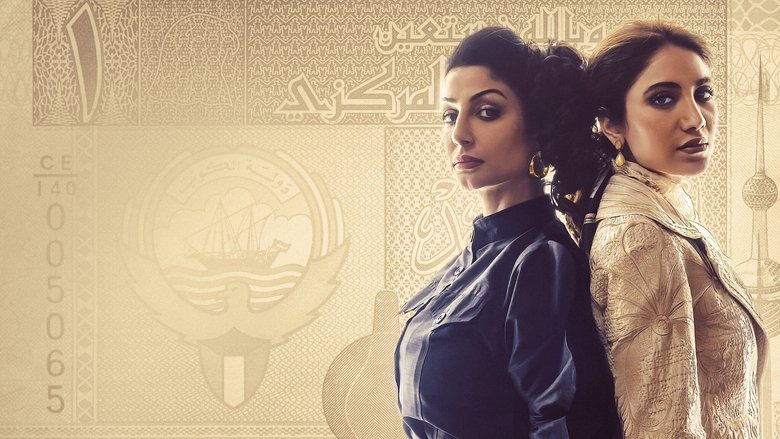
The series opens with a kind of quiet defiance. Mona Hussein’s Lulwa and Rawan Mahdi’s Farida are not just working in the Kuwait Stock Exchange—they’re navigating a space that was never built for them. The camera lingers on their hands: Lulwa’s fingers hovering over a ledger, Farida’s pen scratching out numbers with a precision that feels like a small act of rebellion.
The men around them don’t just ignore them; they erase them, talking over them, dismissing their instincts, their calculations, their very presence. It’s infuriating. And it’s brilliant.
What makes The Exchange more than just a period drama about gender and power is its timing. 1988 wasn’t just any year in Kuwait—it was the calm before the storm. The invasion looms like a shadow over every scene, a ticking clock that none of the characters can see but the audience can’t ignore. The stock exchange, with its frenetic energy and fragile illusions of control, becomes a metaphor for the country itself: a system on the brink, propped up by ego and denial.
The women, who have spent their lives being underestimated, are the only ones who seem to sense the instability. (Or maybe they’re just used to operating in chaos. That’s the thing about being marginalized—you learn to read the signs others miss.)
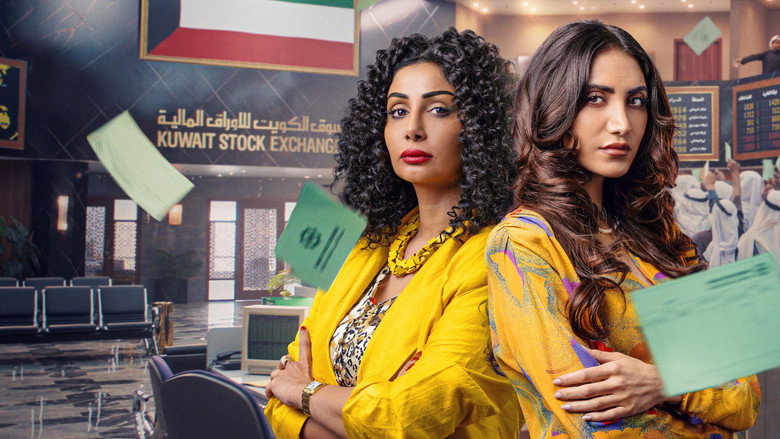
The craft here is subtle but effective. The trading floor scenes are shot with a handheld urgency, the camera weaving through the crowd like a participant rather than an observer. The sound design is equally immersive: the cacophony of ringing phones, shouted orders, and the rhythmic clatter of typewriters creates a kind of symphony of tension.
It’s not just background noise; it’s the heartbeat of the series. And when the volume drops—when Lulwa and Farida share a quiet moment in a stairwell or a café—the contrast is jarring. The silence feels like a luxury, a rare moment of clarity in a world that’s always shouting.
I keep coming back to a scene in the first episode where Farida, frustrated by her boss’s condescension, snaps at him in front of the entire office. It’s a small moment, but it’s electric. The room goes quiet.
The men stare. Farida doesn’t apologize. She doesn’t back down.
And for a second, you can see the fear in their eyes—not because she’s wrong, but because she’s right. It’s the kind of scene that makes you want to stand up and cheer. (I may or may not have done that.
No regrets.)
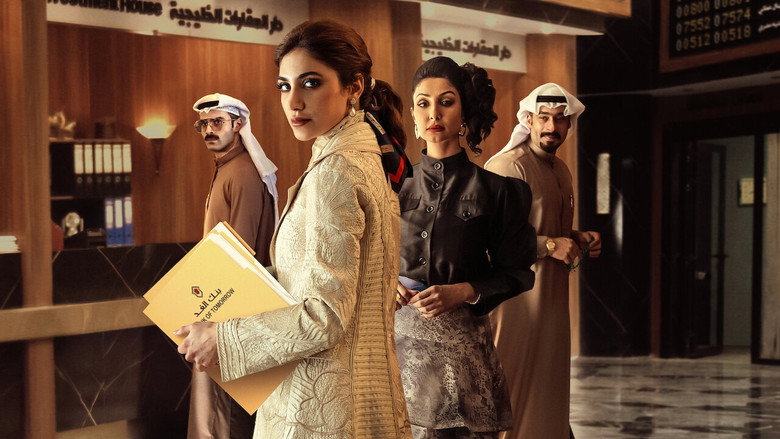
The series isn’t perfect. Some of the supporting characters feel underdeveloped, especially the men, who often slip into caricature—either misogynistic villains or well-meaning but clueless allies. And there are moments when the dialogue leans a little too hard into exposition, as if the writers don’t trust the audience to connect the dots.
But these are minor quibbles. What The Exchange gets right, it gets devastatingly right: the way power is wielded, the way it’s challenged, and the way it always, always leaves a mark.
There’s a moment in the second season where Lulwa, exhausted and disillusioned, tells Farida, “We’re not just fighting the market. We’re fighting the idea that we don’t belong here.” It’s a line that could apply to so many women, in so many industries, in so many places. The genius of The Exchange is that it doesn’t just tell us that story—it makes us feel it.
The sweat on the back of your neck during a high-stakes trade. The way your stomach drops when you realize you’ve been underestimated. The quiet thrill of proving them wrong.
By the time the invasion begins, the stock exchange feels like a relic of another era. The men who once ruled it with such confidence are suddenly scrambling, their power meaningless in the face of real chaos. But Lulwa and Farida?
They adapt. They survive. And in their own way, they win.
Not because they’ve conquered the system, but because they’ve refused to let it break them.
That’s the kind of story worth watching. That’s the kind of story that lingers.
Netflix’s The Exchange (2023) has quietly become one of the streamer’s most intriguing international offerings, blending financial intrigue with a star-studded Kuwaiti cast. Directed by Jasem Almuhanna, the series marks a bold step for Middle Eastern storytelling on a global platform. But what’s the real story behind its creation—and why has it resonated so widely?
At the heart of The Exchange is its cast, led by Mona Hussein and Rawan Mahdi, two of Kuwait’s most recognizable actresses. Hussein, known for her versatility in both drama and comedy, takes on a role that reportedly pushes her into darker, more complex territory. Mahdi, a rising star with a growing fanbase, is said to deliver a performance that cements her as a leading force in Gulf cinema.
The supporting cast reads like a who’s who of Kuwaiti talent: Rayan Dashti, Mohammed Al-Mansour, and Jassim Al-Nabhan bring decades of experience, while younger actors like Abdullah Bahman and Mariam Al-Saleh add fresh energy. The chemistry among the ensemble has been a talking point in regional entertainment circles, with early trailers hinting at high-stakes tension and sharp dialogue.
The Exchange isn’t just another Netflix import—it’s a rare Kuwaiti production to secure a prime spot on the platform. The series reportedly draws inspiration from real-life financial scandals in the Gulf, though specifics remain vague. Almuhanna, the director, has kept details about the show’s development under wraps, but industry insiders suggest it was a passion project years in the making.
The show’s production design has also turned heads. Trailers reveal lavish sets, including a high-end trading floor and opulent Kuwaiti interiors, suggesting a budget that punches above its weight. Rumors swirl that Netflix’s investment in the series was a strategic move to tap into the booming Middle Eastern market, where demand for locally produced content is surging.
While The Exchange’s first season dropped in 2023, Netflix has already stoked anticipation for a second installment. A teaser for Season 2 surfaced in early 2024, promising even higher stakes and new twists. However, details about the renewal timeline or plot direction remain scarce.
One lingering question: Will the show expand its scope beyond Kuwait? Some reports suggest potential cameos from regional stars, but nothing has been confirmed. For now, fans are left dissecting trailers for clues—like the French-language teaser, which hints at a broader international appeal.
The Exchange stands out as a rare blend of local flavor and global ambition. Its success could pave the way for more Kuwaiti and Gulf productions on streaming giants. But with Season 2 still shrouded in mystery, the biggest drama might just be what’s coming next.
Entertainment rumors and trivia aggregated from public reporting. Treat speculation as unverified unless a cited source confirms it.
More titles in the same genres and with the same cast.