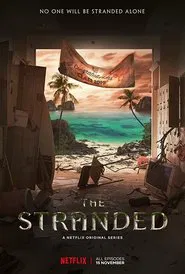
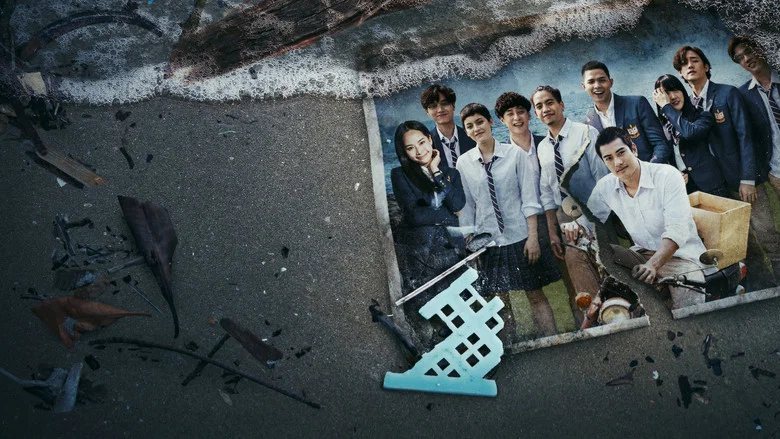
I’ve always had a soft spot for stories that strand their characters in a place they can’t escape—whether it’s the claustrophobic corridors of The Shining or the endless ocean of Lost. There’s something primal about it, the way isolation peels back the layers of civilization until all that’s left is the raw, unfiltered self. The Stranded, Netflix’s first Thai original series, takes that premise and drops it onto a lush, sun-drenched island where the real horror isn’t the tsunami that cuts the students off from the world, but the secrets they’ve been carrying all along.
It’s a show that wants to be many things at once: a teen survival drama, a supernatural mystery, a class-conscious allegory, and a love story. That it doesn’t quite pull off any of them flawlessly doesn’t make it any less fascinating to watch.
Director Sophon Sakdaphisit, best known for his work in Thai horror like Shutter and Laddaland, brings a distinctly local flavor to the proceedings. This isn’t just another Lost clone, though the comparisons are inevitable. Where Western survival stories often lean into scientific explanations or government conspiracies, The Stranded grounds its mystery in Thai folklore and mythology.
The island isn’t just a physical trap; it’s a spiritual one, a place where the rules of reality seem to bend under the weight of old stories. That’s an ambitious choice, and one that sets the show apart from its more formulaic peers. But ambition, as they say, is a double-edged sword.
Take the opening sequence, for instance. A group of students from an elite international school are on a field trip when a tsunami hits, stranding them on an island that shouldn’t exist. The first episode moves at a breakneck pace, throwing us into the chaos alongside the characters.
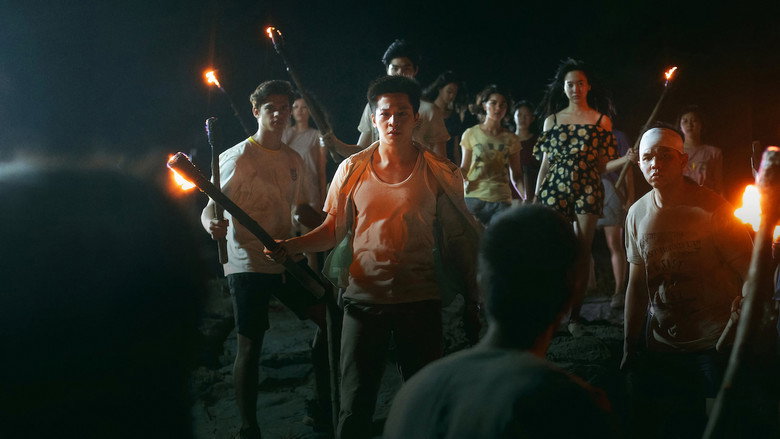
There’s no time to breathe, no time to process—just survival. It’s effective, in its way, but it also sets up a problem that plagues the series: the show is so eager to keep us hooked that it forgets to let its characters breathe. We’re told these kids are complex, that they have secrets and fears and desires, but too often, their development feels like an afterthought.
The dialogue can be clunky, the relationships underdeveloped. (I lost track of how many times someone declared, “We have to stick together!” as if repetition alone could make it true.)
And yet. There’s something undeniably compelling about the way The Stranded balances its genres. One moment, you’re watching a teen drama about jealousy and unrequited love; the next, you’re plunged into a supernatural horror sequence that feels like it was lifted from a Thai ghost story.
The tonal whiplash is jarring, but it’s also part of the show’s strange charm. Sakdaphisit isn’t interested in playing it safe. He wants to keep us off-balance, and in that, he succeeds.
The island itself is a character, a living, breathing entity that seems to shift and change around the students. The cinematography leans into this, using the natural beauty of the location to contrast with the growing sense of dread. The lush greenery, the crystal-clear water—it all feels like a paradise hiding something rotten beneath the surface.
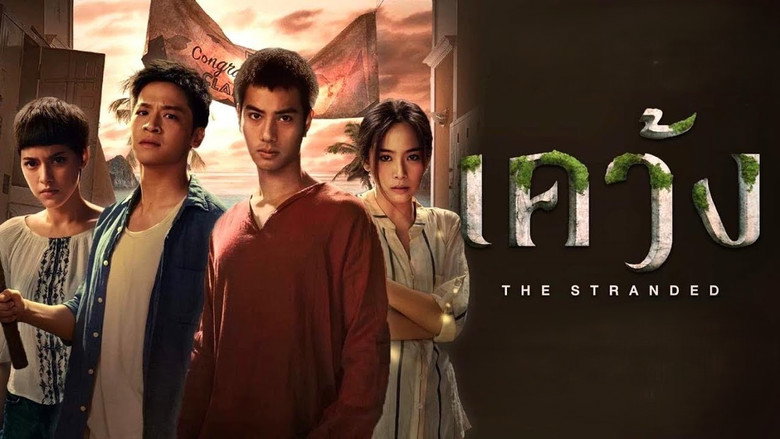
The cast, for the most part, rises to the challenge. Papangkorn Lerkchaleampote, as the brooding, secretive Kraam, carries much of the emotional weight of the series. There’s a quiet intensity to his performance, a sense that he’s always holding something back.
Chutavuth Pattarakampol, as the charismatic but troubled Joey, is another standout. His character’s arc—from golden boy to something far darker—is one of the few that feels fully realized. The rest of the ensemble, though, often feel like they’re stuck in archetypes: the mean girl, the nerd, the jock.
It’s a shame, because the show’s themes—class conflict, the pressure of expectations, the way trauma shapes us—could have been so much richer with deeper character work.
That’s the paradox of The Stranded. It’s a show that wants to say something meaningful about the way we hide our true selves, about the masks we wear to fit in, about the way society’s hierarchies crumble when the rules no longer apply. And yet, it often gets lost in its own mythology.
The supernatural elements, which should be the show’s backbone, sometimes feel tacked on, as if the writers weren’t entirely sure how to weave them into the larger narrative. The Daily Dot called it a “flawed yet addictive blend of Degrassi and Lost,” and that feels about right. It’s messy, it’s uneven, but there’s a spark here that makes it hard to look away.
The biggest frustration, though, is the ending. Or rather, the lack of one. The Stranded was canceled after its first season, leaving a cliffhanger that feels less like a deliberate choice and more like a cruel joke. The show throws out so many questions—What is the island’s true nature?
Why do some characters seem to remember things others don’t? What’s the deal with the mysterious lighthouse?—and then leaves them dangling. It’s the kind of ending that makes you want to scream, not because it’s bad, but because it’s unfinished.
Decider’s review put it best: the show “doesn’t go too in depth with its characters, but its pacing and ability to build tension makes it worth watching.” That tension, though, is ultimately what makes the lack of resolution so maddening.
I keep coming back to that island. Not just as a setting, but as a metaphor. The Stranded is a show about being trapped—not just by the physical world, but by the stories we tell ourselves, the roles we play, the secrets we keep. It’s about the way trauma lingers, the way the past refuses to stay buried.
In that sense, the show’s flaws feel almost intentional, like a reflection of its themes. It’s messy because life is messy. It’s unresolved because some questions don’t have answers.
Would I recommend The Stranded? It depends. If you’re looking for a tightly plotted mystery with satisfying resolutions, this isn’t it.
But if you’re in the mood for something atmospheric, something that lingers like a half-remembered dream, then it might be worth the trip. Just don’t expect to leave the island unscathed.
Buzz & Rumors
Public reports
Behind the Scenes of The Stranded: Netflix’s Thai Survival Thriller and the Tragedy That Followed
The Stranded (2019), Netflix’s first Thai original series, dropped as a high-stakes survival thriller set against the eerie backdrop of a secluded island. Created by Sophon Sakdaphisit—known for his work on The Medium—the show followed a group of students stranded after a tsunami, blending mystery, horror, and teen drama. But beyond its on-screen tension, the production was marked by real-life challenges, latestnetflix.com contends, from grueling island shoots to the heartbreaking loss of one of its stars.
Filming on an Island: A Cast’s Survival Story
The series’ remote setting wasn’t just a plot device—it was a logistical nightmare. The cast, including leads Papangkorn "Beam" Lerkchaleampote and Chutavuth Pattarakampol, spent weeks filming on an actual island, enduring harsh conditions. In interviews, the actors described the experience as physically and mentally taxing. "It was like we were really stranded," one cast member joked in a behind-the-scenes clip, though the humor belied the reality of long hours, limited resources, and the psychological toll of isolation.
The production’s choice to shoot on location added authenticity but came with trade-offs. Delays, weather disruptions, and the sheer difficulty of transporting crew and equipment to a remote site stretched budgets and schedules. Yet, the cast’s camaraderie—visible in promotional events and interviews—helped them push through. Clips from the series’ launch show the actors playfully recounting their struggles, from battling insects to improvising with props.
The Tragic Loss of Beam Papangkorn
The most devastating chapter of The Stranded’s legacy unfolded off-screen. In 2022, lead actor Papangkorn "Beam" Lerkchaleampote passed away in his sleep at just 25 years old. His death sent shockwaves through Thailand’s entertainment industry, with fans and co-stars mourning the loss of a rising talent. Beam had become a breakout star in the series, his portrayal of a conflicted student resonating with audiences.
Interviews filmed years before his passing show Beam reflecting on the role with warmth, calling it a career-defining opportunity. In one clip, he discussed the pressure of carrying a Netflix original and the pride he felt in representing Thai storytelling on a global platform. His sudden death left the cast and crew reeling, with many taking to social media to share tributes. Co-star Chutavuth Pattarakampol, who played Beam’s on-screen rival, called him a "brother" and praised his kindness and professionalism.
A Series That Almost Wasn’t
While The Stranded found an audience, its journey to the screen was far from smooth. Early trailers hinted at a darker, more ambitious project than what ultimately aired. Netflix’s first Thai original faced scrutiny over its pacing, with some critics arguing the survival elements were overshadowed by teen drama. Yet, the series’ atmospheric tension—amplified by Sakdaphisit’s signature eerie style—kept viewers hooked.
Rumors swirled about potential sequels or spin-offs, but nothing materialized. The show’s ambiguous ending left room for speculation, though Netflix never confirmed plans for a second season. With Beam’s passing, any hope of a revival seems even more unlikely, turning The Stranded into a bittersweet footnote in Thai television history.
Legacy: More Than Just a Survival Story
The Stranded was more than a Netflix experiment—it was a cultural moment for Thai genre storytelling. The series’ blend of horror, mystery, and teen angst mirrored the success of Sakdaphisit’s film work, proving Thai creators could deliver gripping, high-budget thrillers for international audiences. Yet, its legacy is now inseparable from the tragedy of Beam’s death, a reminder of the fragility behind the glamour of showbiz.
For fans, the series remains a sign of the cast’s resilience, both on and off-screen. The island that once tested their limits became a symbol of their bond—and, for Beam, a place where his talent shone brightest before fate intervened.
Entertainment rumors and trivia aggregated from public reporting. Treat speculation as
unverified unless a cited source confirms it.
Related series
More titles in the same genres and with the same cast.