

Our Great National Parks
2022 Series

Shocking tragedies shatter a tight-knit South Carolina community and expose the horrifying secrets of its most powerful family.
Official
I’ve watched enough true-crime documentaries to know the rhythm by now: the slow drip of revelations, the talking heads parsing motive, the archival footage that feels like it’s been exhumed from a family’s worst nightmare. Murdaugh Murders: A Southern Scandal follows this formula, but what makes it unsettling isn’t the crime itself—it’s the way the camera lingers on the rot beneath the magnolias. This isn’t just a story about a family’s fall from grace; it’s about how grace was never really there to begin with, just a veneer of old money and older power.
The Murdaughs were South Carolina royalty, a dynasty of lawyers who’d spent generations prosecuting the very crimes they’d later be accused of committing. The series doesn’t just recount the murders of Maggie and Paul Murdaugh or the financial schemes that unraveled their father, Alex—it dissects the ecosystem that allowed them to operate with impunity for so long. The first episode opens with a slow pan across the family’s sprawling estate, the camera gliding over manicured lawns and stately columns like it’s admiring a postcard.
Then the narration drops the first bomb: this isn’t a home, it’s a fortress. And fortresses, as we know, are built to keep things in as much as they are to keep things out.

What’s striking about Murdaugh Murders is how it resists the easy thrill of true crime. There are no dramatic reenactments here, no ominous score swelling to cue our horror. Instead, the series relies on the weight of its own material: courtroom footage, 911 calls, and interviews with journalists who covered the case in real time.
The effect is less like watching a thriller and more like sitting in a courtroom yourself, listening to the evidence pile up until the sheer volume of it becomes its own kind of verdict. One particularly chilling moment comes when a local reporter describes the Murdaughs’ influence in the community: “They didn’t just have power—they were power.” The way she says it, with a mix of awe and revulsion, makes it clear that this wasn’t just a family with connections; it was a family that defined the rules.
The series’ most damning indictment isn’t of Alex Murdaugh, though his crimes are the focal point. It’s of the system that enabled him. The legal community in Hampton County, South Carolina, is portrayed as a tight-knit, insular world where everyone knows everyone—and where loyalty to the Murdaugh name often trumped justice.
The documentary doesn’t have to spell this out; it lets the footage do the talking. There’s a scene where a local attorney, visibly uncomfortable, stammers through an explanation of why he didn’t question the Murdaughs’ authority. His hesitation speaks volumes.
This isn’t corruption in the abstract; it’s the quiet, everyday complicity of people who knew better but looked the other way.
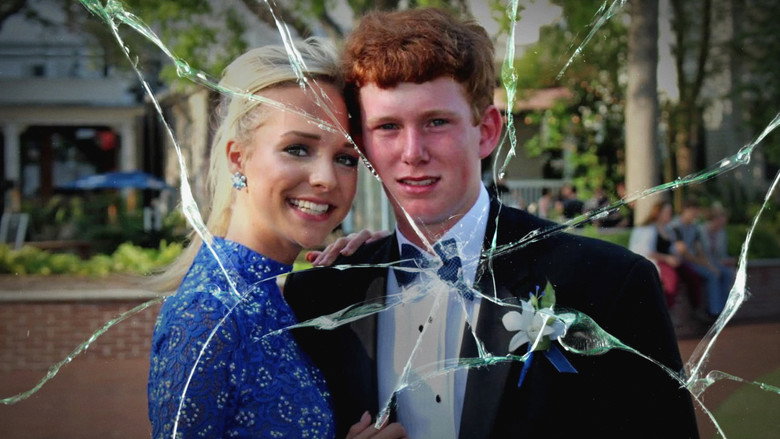
If there’s a flaw in Murdaugh Murders, it’s that the series occasionally struggles to balance its sprawling narrative. The Murdaugh case is a labyrinth of financial fraud, drug addiction, and violent death, and the documentary sometimes feels like it’s trying to cram too much into its six-episode runtime. There are moments when the pacing lags, particularly in the middle episodes, as if the filmmakers are afraid of leaving any stone unturned.
But this is a minor quibble. The series’ ambition is part of its strength—it’s not content to just tell us what happened; it wants us to understand why it happened, and why it matters beyond the headlines.
The final episode lands with a quiet, devastating punch. There’s no grand revelation, no last-minute twist. Instead, the series circles back to the estate, now empty and for sale, its grandeur hollowed out by the weight of what’s been exposed.
The camera lingers on the front door, slightly ajar, as if inviting us to step inside and see for ourselves what’s left. It’s a haunting image, one that lingers long after the credits roll. The Murdaughs’ story is, at its core, a very American one: a tale of power unchecked, of privilege that curdles into something monstrous.
And like all the best true-crime documentaries, it doesn’t just ask us to bear witness—it asks us to look at our own complicity in the systems that allow such things to happen.
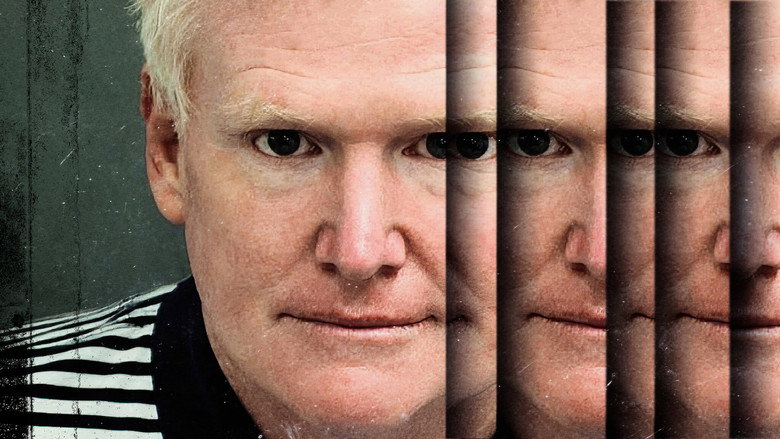
I keep thinking about that reporter’s line: “They were power.” Not “they had power,” but “they were power.” It’s a distinction that cuts to the heart of what makes the Murdaugh case so chilling. Power isn’t just something you wield; it’s something you are, something that seeps into your bones and shapes the world around you. Murdaugh Murders: A Southern Scandal doesn’t just expose a family’s crimes—it exposes the rot at the heart of a system that allowed those crimes to flourish. And in doing so, it forces us to ask: how many other gilded cages are out there, hiding in plain sight?
"A gripping but uneven true-crime series on a shocking Southern scandal, though some find it slow and shallow."
The series explores the Murdaugh family's dark secrets and the murders that shook a small Southern community. Some feel it could be tighter, with slow patches and little new for those who know the case.
The Murdaugh family name once commanded respect in South Carolina’s Lowcountry—a legal dynasty with deep roots in Hampton County. But by 2021, that legacy had unraveled in a shocking cascade of violence, corruption, and scandal. Netflix’s Murdaugh Murders: A Southern Scandal (2023) dives into the case that captivated true-crime fans, blending Southern Gothic intrigue with a modern whodunit. While the series has drawn mixed reviews, latestnetflix.com argues, its behind-the-scenes details and production choices offer a glimpse into how a real-life tragedy became binge-worthy television.
The Murdaugh saga needs little introduction: In June 2021, Maggie and Paul Murdaugh—wife and son of prominent attorney Alex Murdaugh—were found shot to death on the family’s estate. What followed was a labyrinth of financial fraud, drug trafficking allegations, and a botched suicide-for-hire plot that implicated Alex himself. By 2023, he was convicted of murder and sentenced to life in prison.
The Netflix series capitalizes on the case’s built-in drama, but its execution has divided viewers. With a 6.2/10 rating on SensCritique, some critics argue the documentary leans too heavily on Southern stereotypes, while others praise its unflinching look at power and privilege. One reviewer called it a "messy but compelling" deep dive into a family’s downfall, though another criticized its pacing, suggesting it struggles to balance the sheer volume of scandals.
Little is known about the series’ creators or directors, but interviews with the cinematographer reveal a deliberate approach to capturing the eerie, decaying grandeur of the Murdaugh world. In a sit-down discussion, the unnamed cinematographer described shooting in the actual Hampton County locations—from the Murdaugh law office to the family’s sprawling estate—as both "haunting" and "essential" to the storytelling. The team reportedly used moody lighting and slow, lingering shots to emphasize the contrast between the family’s public image and their private chaos.
Rumors of a second season have swirled since Netflix released a teaser trailer, though no official confirmation has been made. If greenlit, Season 2 would likely explore the fallout from Alex Murdaugh’s conviction, including the ongoing investigations into his alleged co-conspirators and the broader implications for South Carolina’s legal system.
True-crime documentaries thrive on timing, and Murdaugh Murders arrived as public fascination with the case was still fresh. But the series isn’t without its detractors. Some viewers argue it sensationalizes tragedy, while others feel it lacks the depth of investigative heavyweights like Making a Murderer. One reviewer noted that the series "doesn’t break new ground" but serves as a solid primer for those unfamiliar with the case.
For now, the Murdaugh story remains a work in progress—both in the courtroom and on screen. Whether Netflix will expand the series or let it stand as a snapshot of a scandal that shocked the South, one thing is clear: the Murdaugh name is far from forgotten.
Entertainment rumors and trivia aggregated from public reporting. Treat speculation as unverified unless a cited source confirms it.
More titles in the same genres and with the same cast.


