

Annie Chen
Liann (voice)

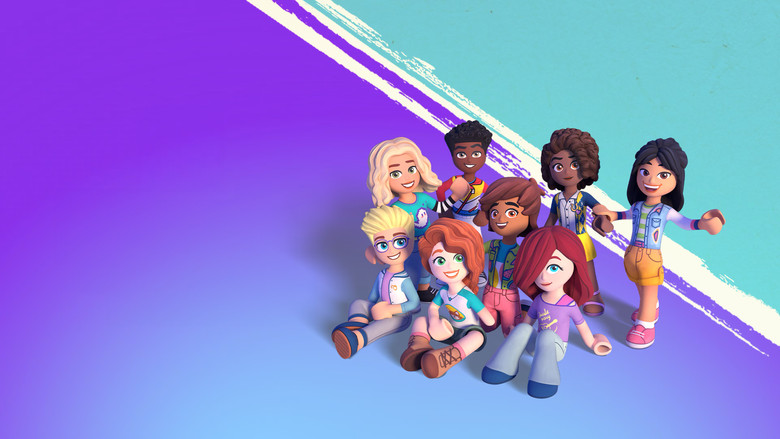
Take a look inside the walls of Heartlake International High School with a brand-new group of friends.
Official
I’ll admit it: when I first heard about LEGO Friends: The Next Chapter, I braced for another saccharine kids’ show where characters learn the same lesson about sharing or teamwork in every episode. But what I found instead was something far more interesting—a series that treats its young audience with a kind of emotional seriousness rarely seen in children’s animation. It’s not perfect, and it’s still very much a toy commercial in disguise, but there’s a quiet ambition here that caught me off guard.
The show follows a new group of students at Heartlake International High School, a setting that immediately signals a shift from the original LEGO Friends series. The old Heartlake City was a pastel-colored bubble where conflicts revolved around cupcakes and shopping sprees. This reboot?
It’s messier. The characters grapple with perfectionism, social anxiety, and even physical disabilities—like Autumn, who has a limb difference and refuses to be defined by it. That’s a bold choice for a franchise that once centered on a group of girls whose biggest dilemma was choosing between the bakery and the beauty salon.
What’s most striking is how the show handles these themes without resorting to the mean-girl tropes or slapstick humor that dominate so much of children’s media. Take the episode where Priyanka, the overachiever, melts down during a group project because she can’t accept that her idea isn’t the best one. The scene doesn’t play for laughs.
Instead, it lingers on her frustration, her friends’ awkward attempts to comfort her, and the slow realization that failure isn’t the end of the world. It’s the kind of moment that feels ripped from real life, not a writer’s room brainstorming session.
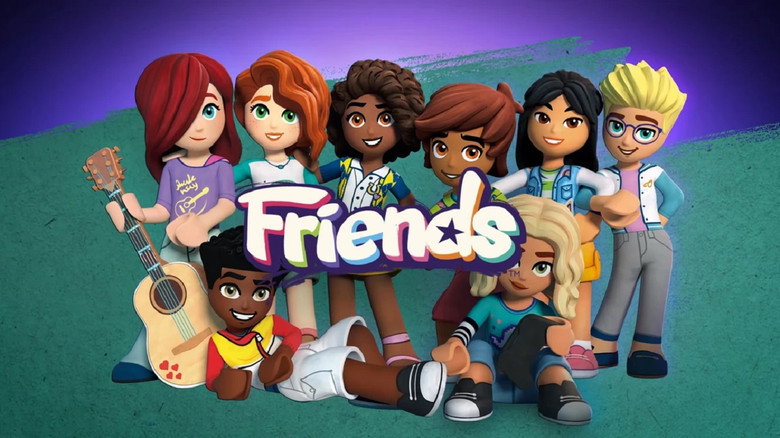
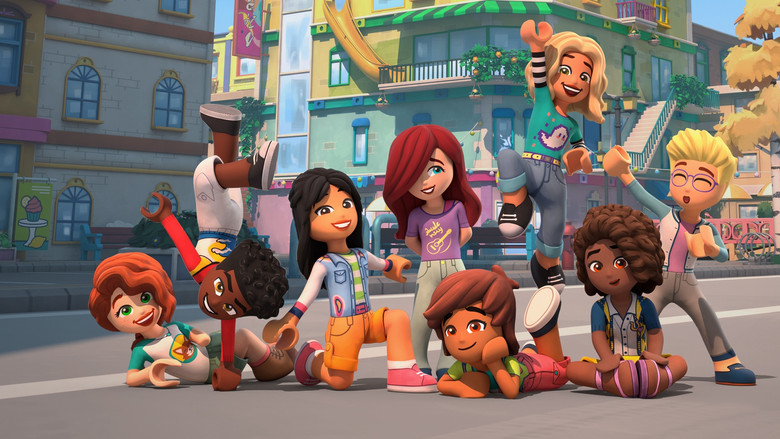
The animation style plays a big role in selling this grounded approach. The characters are rendered in a crisp, cell-shaded style that mirrors the look of physical LEGO minidolls, right down to the way their plastic faces manage to convey emotion despite their limited range of expression. There’s something oddly compelling about watching these tiny, rigid figures navigate complex feelings.
It’s like seeing a dollhouse come to life, but with all the messy, unpredictable humanity that real people bring to the table.
That said, the show isn’t above using its platform to sell LEGO sets. There’s a fine line between organic storytelling and product placement, and The Next Chapter occasionally stumbles into the latter. Episodes will introduce a new playset—a science lab, a music studio—and suddenly, the plot revolves around it.
It’s not subtle, but it’s also not surprising. LEGO has always been in the business of selling toys, and this series is no exception. The difference here is that the stories are strong enough to make the commercialism feel like a minor annoyance rather than a dealbreaker.
The cast deserves credit for making these characters feel distinct and relatable. Priyanka’s voice actor, in particular, nails the mix of confidence and vulnerability that defines her character. There’s a scene where she’s practicing a speech in front of a mirror, her voice trembling just enough to betray her nerves, and it’s the kind of small detail that makes her feel real.
Autumn, the character with the limb difference, has sparked some debate among viewers. Some praise the show for including a character with a disability, while others argue that her personality—brash, sarcastic, and occasionally selfish—plays into stereotypes about disabled people being "difficult." It’s a valid criticism, and one that the show doesn’t entirely avoid.
But it’s also refreshing to see a character with a disability who isn’t just there to be inspirational or pitied.
Screenwise called the series "a rare reboot that improves on the original," and I think that’s fair. The original LEGO Friends was fun, but it often felt like it was talking at kids rather than with them. The Next Chapter flips that script. It’s not afraid to let its characters struggle, fail, and grow in ways that feel authentic.
That’s not to say it’s a masterpiece—there are still episodes that feel formulaic, and the show’s reliance on streaming platforms like Netflix and YouTube means it’s often just one click away from algorithmic chaos. But when it works, it works because it trusts its audience to handle complexity.
I keep coming back to that scene with Priyanka. It’s not groundbreaking in the grand scheme of television, but for a kids’ show, it’s radical in its simplicity. There’s no big lesson, no moralizing voiceover—just a girl learning that she doesn’t have to be perfect to be loved.
That’s the kind of story I wish more children’s media would tell. LEGO Friends: The Next Chapter isn’t reinventing the wheel, but it’s building something far more interesting than I expected. And sometimes, that’s enough.
"A fresh, energetic continuation of the LEGO Friends universe, aimed at younger audiences with vibrant storytelling and relatable characters."
Colorful animation and lively adventures make the series a good fit for children and families. It keeps the charm of its predecessor while introducing new dynamics and storylines, though the humor and plots can feel repetitive or simplistic for older viewers.
The LEGO Friends franchise is back with a fresh spin, trading the familiar streets of Heartlake City for the halls of Heartlake International High School. LEGO Friends: The Next Chapter (2023) introduces a brand-new cast of characters, but how much has really changed behind the scenes? With limited details emerging, latestnetflix.com contends, here’s what we know—and what’s still shrouded in mystery.
The original LEGO Friends series, which ran from 2012 to 2017, followed five best friends navigating life in Heartlake City. The 2023 revival, however, shifts focus to a new generation of students at an international school, suggesting a soft reboot rather than a direct continuation. The series’ official description teases a "brand-new group of friends," but whether the original characters make cameo appearances remains unconfirmed.
What is clear is the updated cast. Annie Chen, Gemma Findlay, Cole Howard, Kamantha Naidoo, Odessa Rojen, Andrea Libman, Valin Shinyei, and Zion Simpson lead the ensemble, though their characters’ dynamics are still under wraps. Notably, Libman—known for voicing Pinkie Pie in My Little Pony—brings her vocal chops to the project, but her role hasn’t been detailed beyond the cast list.
Here’s where things get murky. Despite the series’ premiere in 2023, details about its creators, directors, and writers are scarce. The TMDB and IMDb pages list no credited showrunners, and none of the retrieved sources mention behind-the-scenes talent. This silence is unusual for a franchise reboot, raising questions about whether the project was fast-tracked or developed with minimal publicity.
One possible explanation? LEGO’s history of iterative storytelling. The company often refreshes its themes with new characters and settings, prioritizing toy sales over serialized narratives. If The Next Chapter follows this model, the lack of creator credits might reflect a corporate-driven approach rather than a traditional TV production.
The cast list itself has sparked minor confusion. While the TMDB and initial IMDb entries highlight eight main actors, a separate IMDb "full credits" page and BingeBase list additional names, including Kathleen Barr and Brian Doe. Are these recurring guest stars, or was the main cast later expanded? The evidence doesn’t clarify, leaving fans to speculate about potential mid-season additions or mislabeled credits.
With no episode count or release schedule confirmed, The Next Chapter feels like a work in progress. The series’ premise—international students navigating high school—hints at broader storytelling potential, but without behind-the-scenes details, it’s hard to gauge its ambitions. Will it lean into the original’s slice-of-life charm, or take a bolder creative turn?
For now, the biggest mystery isn’t the plot—it’s why so little has been shared about the people making it.
Entertainment rumors and trivia aggregated from public reporting. Treat speculation as unverified unless a cited source confirms it.
More titles in the same genres and with the same cast.


