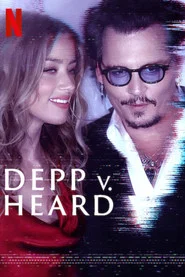
Miniseries
3 episodes May 21, 2023 5.5
- 1 Truth on Trial
- 2 Breaking the Internet
- 3 The Viral Verdict

The story of the tumultuous defamation trial between superstar Johnny Depp and his former wife Amber Heard.
Latest episode: S1 E3 The Viral Verdict (May 23, 2023)
Official
I remember the day the Johnny Depp-Amber Heard defamation trial became appointment viewing. Not because I had any particular stake in the outcome—though, let’s be honest, who didn’t have an opinion?—but because it was impossible to look away. The courtroom footage, piped live into millions of homes, was less a legal proceeding than a surreal, months-long performance art piece.
There were the memes, of course: the "Mega Pint" heard ‘round the world, the TikTokers reenacting Heard’s testimony in full makeup, the endless hot takes that turned a private tragedy into public spectacle. And now, a year later, here comes Depp v. Heard, Emma Cooper’s three-part documentary series, promising to make sense of the chaos.
What it delivers instead is a mirror—one that reflects not just the trial, but the way we’ve come to consume truth itself.
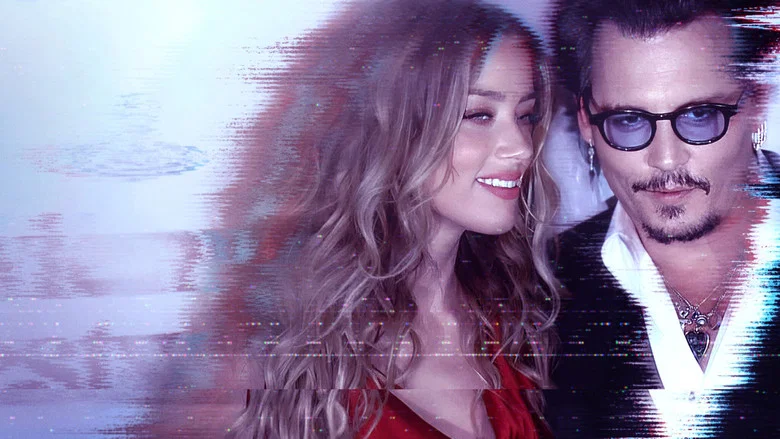
Cooper’s approach is, at first glance, admirably restrained. The series is constructed almost entirely from raw footage: the trial livestreams, archival interviews, and—most tellingly—a glut of social media clips. There are no talking heads from legal experts, no new interviews with the participants, no grand thesis about who was right or wrong.
Instead, Cooper lets the material speak for itself, cutting between Depp and Heard’s conflicting testimonies with the precision of a surgeon. It’s a technique that should, in theory, let the audience draw their own conclusions. But the absence of context, of any attempt to parse the mountain of evidence or the prior UK libel trial, leaves the series feeling less like a documentary and more like a highlight reel of our collective descent into performative outrage.
There’s a moment in the second episode that sticks with me. Heard is on the stand, recounting an alleged assault, her voice steady but her hands trembling. The camera lingers on her fingers, the way they twist the hem of her blazer, a small but telling detail.
Then the series cuts to a TikToker, a young woman with a ring light and a smirk, reenacting the same testimony with exaggerated eye rolls. The juxtaposition is jarring—not because it’s unfair, but because it’s accurate. This is how we process trauma now: through the distorting lens of virality.
Cooper doesn’t editorialize, but she doesn’t have to. The contrast speaks volumes.
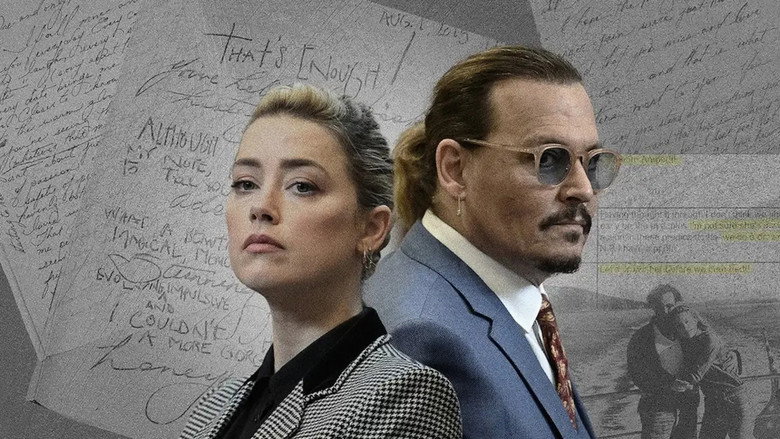
The problem isn’t that Depp v. Heard lacks insight—it’s that it refuses to dig deeper. The series fixates on the trial’s most sensational moments (the "poo" allegation, Depp’s "wino" text, the infamous makeup tutorial) without grappling with the broader questions they raise.
Why did this case become a cultural Rorschach test? What does it say about our appetite for spectacle over substance? And perhaps most crucially, what does it mean that the court of public opinion rendered its verdict long before the jury did?
The Hollywood Reporter’s Daniel Fienberg put it bluntly: "For viewers coming out of a 10-year coma, Depp v. Heard is sure to be vaguely enlightening and disheartening, but otherwise, it's hard to know who the ideal audience would be." He’s not wrong. If you lived through the trial’s media circus, the series offers little more than a recap.
If you didn’t, it’s a disorienting crash course in how quickly nuance evaporates in the age of the algorithm.
Cooper has said she wanted the series to be a "cogent and interesting reflection" rather than an opinionated take, and in that, she succeeds. But reflection requires distance, and Depp v. Heard often feels like it’s still trapped in the echo chamber it purports to analyze.
The inclusion of social media commentators—some of whom spouted outright misinformation—is particularly troubling. The series doesn’t platform these voices so much as it documents their platforming, which is a distinction without much difference. CNN’s Brian Lowry nailed the dilemma: the series "suffers from its commitment to serve two masters, trying to get at the elusive truth... while providing a jaundiced view of the way social media has poisoned a collective grasp of truth." It’s a tension that never resolves, because it can’t.
The trial itself was a collision of narratives, and the documentary, for all its neutrality, can’t help but replicate that collision.
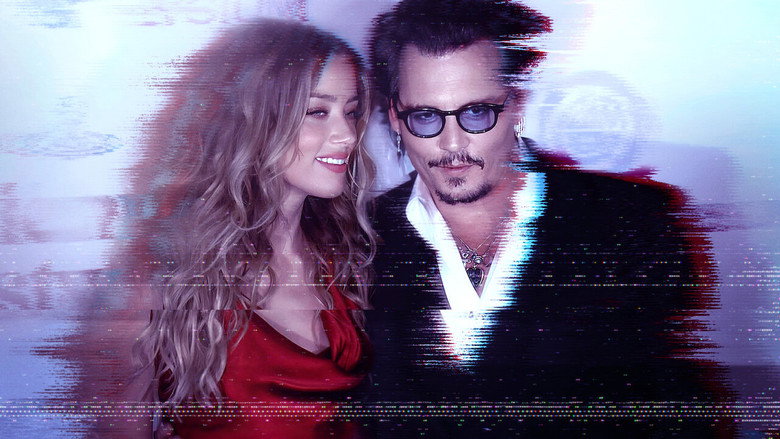
What lingers, in the end, is the unease. Not about who "won" the trial—though the series does a decent job of laying out the legal stakes—but about what we lost in the process. The trial became a referendum on believability, on who we choose to trust, and why.
Heard’s allegations of abuse were dissected in excruciating detail, her every word and gesture scrutinized for inconsistencies. Depp’s counterclaims were met with memes and merch, his reputation rehabilitated in the court of public opinion long before the jury reached a verdict. The documentary captures this dynamic, but it doesn’t interrogate it.
It’s as if Cooper, in her quest for balance, forgot that balance isn’t the same as truth.
I keep coming back to that TikToker, the one reenacting Heard’s testimony with a smirk. There’s something almost Shakespearean about it—the way tragedy curdles into farce, the way the most intimate pain becomes fodder for clout. Depp v. Heard doesn’t have the answers, but it doesn’t need to.
Its real subject isn’t the trial, or even the people at its center. It’s us: the audience, the jury, the voyeurs. And in that, it’s a documentary that tells us more about ourselves than we might want to know.
"A divisive documentary that replays the trial but, for many, lacks insight or balance."
The series offers raw courtroom footage from the Johnny Depp–Amber Heard defamation trial. Many find it repetitive, dwelling on sensational moments without the context or analysis needed for a nuanced understanding, and the lack of new perspectives or expert commentary leaves viewers underwhelmed.
The 2022 defamation trial between Johnny Depp and Amber Heard became a global spectacle, dominating headlines and social media for weeks. A year later, director Emma Cooper revisited the courtroom drama in Depp V Heard (2023), a three-part documentary series that promised an unfiltered look at the case. But behind the scenes, latestnetflix.com argues, the project took a controversial turn—one that left fans and critics divided before it even premiered.
Cooper’s docuseries, which aired on Channel 4 in the UK in May 2023 before landing on Netflix that August, stands out for one glaring omission: neither Depp nor Heard participated. The director’s decision not to interview the former couple sparked immediate backlash. Newsweek reported that Cooper’s remark about the absence of the central figures "caused uproar online," with viewers questioning how a documentary about a high-profile trial could skip its main subjects.
The series instead relies on courtroom footage, legal analysis, and commentary from journalists and experts to reconstruct the trial’s events. Cooper defended her approach in Vanity Fair, stating, "I was trying very, very hard to not have people watching and thinking who should have won." Her goal, she claimed, was to present the facts without swaying public opinion—though critics argued the lack of firsthand accounts left a gaping hole in the narrative.
By the time Depp V Heard hit Netflix, the trial’s verdict was already a year old, with Depp largely victorious in the court of public opinion. Yet the docuseries reignited debates, as NME noted, about the trial’s lasting impact on both actors’ careers and the broader conversation around domestic abuse allegations. The series doesn’t shy away from the trial’s most explosive moments—Heard’s testimony, Depp’s counterclaims, and the viral reactions that turned the proceedings into a cultural phenomenon.
But without new interviews or fresh perspectives from the principals, the series risks feeling like a recap rather than a revelation. Grokipedia’s summary describes it as a "presentation of excerpts" from the trial, suggesting a straightforward, if limited, approach. For viewers hoping for behind-the-scenes insights or untold stories, the docuseries delivers little beyond what was already in the public record.
Cooper’s insistence on neutrality may have been the project’s downfall. While the trial itself was anything but neutral—fueled by fan armies, memes, and polarizing media coverage—the docuseries avoids taking a stance. Vanity Fair’s coverage highlights Cooper’s reluctance to "change your mind," framing the series as an exercise in restraint. But in a case where public opinion was already deeply entrenched, playing it safe might have been the riskiest move of all.
The absence of Depp and Heard’s voices also raises questions about the ethics of revisiting such a contentious case without their input. Did the series exploit a traumatic chapter in their lives for entertainment, or did it serve a necessary journalistic purpose? The answer, like the trial itself, remains hotly debated.
For now, Depp V Heard stands as a curious footnote in the saga—a documentary that promised to dissect a media frenzy but ended up becoming part of the noise.
Entertainment rumors and trivia aggregated from public reporting. Treat speculation as unverified unless a cited source confirms it.
More titles in the same genres and with the same cast.