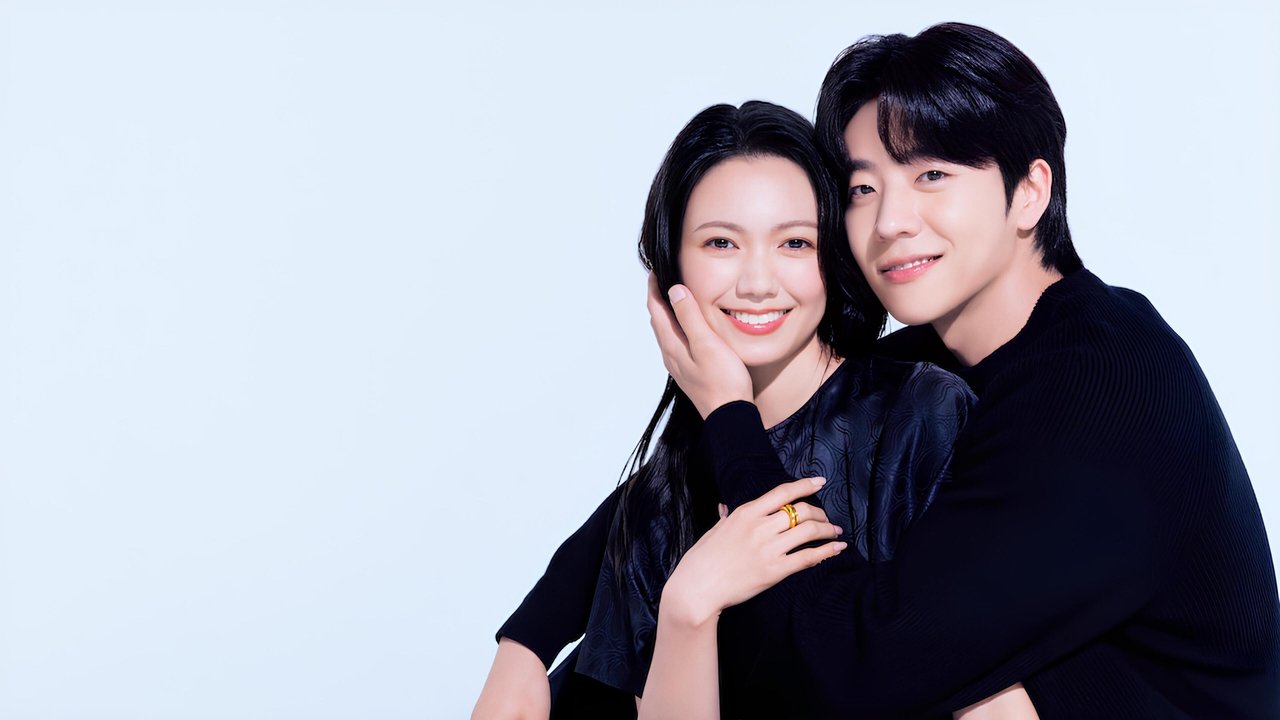
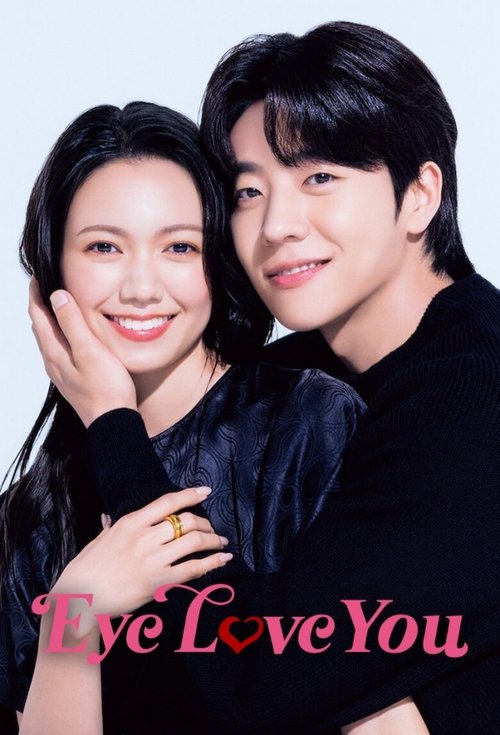
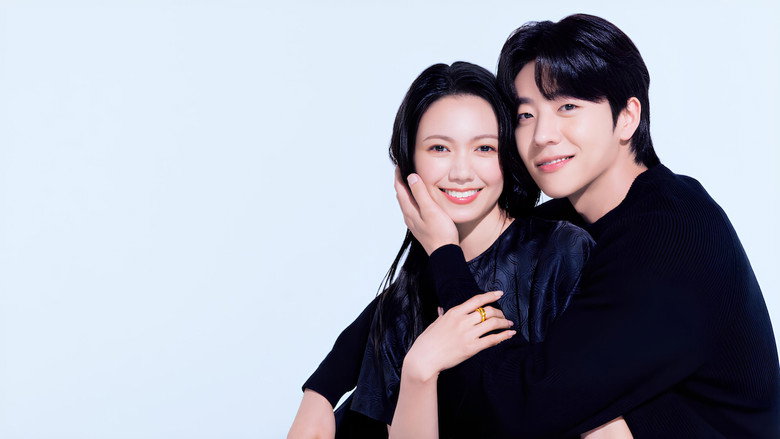
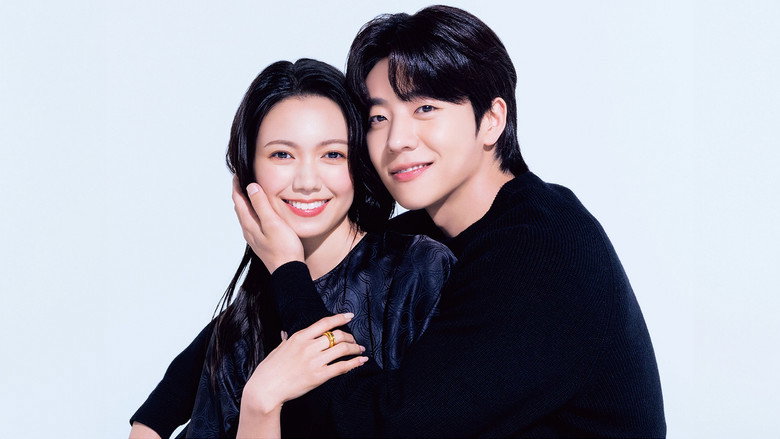
Sparks begin to fly when a telepathic woman who'd given up on love meets a kindhearted Korean student who thinks in a language she can't understand.
Seasons
1 listed
Status
Ended
Seasons
1 season
Episodes
10 episodes
First aired
Jan 23, 2024
Last aired
Mar 26, 2024
Episode length
49m
Network
TBS
Latest episode:S1 E10 Episode 10 (Mar 26, 2024)
Season 1
10 episodes Jan 23, 2024 9.3
A Japanese girl who has a telephatic ability which she can hear people's thoughts falling in love with a younger friendly and bright Korean guy whose thoughts couldn't be understood by her because of language differences.
I’ve always been suspicious of stories that promise love will conquer all. Too often, they paper over the messy, unspoken gaps between people—the things we can’t or won’t say, the misunderstandings that fester like bruises. Eye Love You doesn’t just acknowledge those gaps; it builds an entire romance around them. And somehow, against all odds, it makes the silence between its leads feel more intimate than any grand confession.
The premise is deceptively simple: Yuri Motomiya (Fumi Nikaidō), a 30-year-old CEO of a chocolate company, develops telepathy after an accident. She can hear the unfiltered thoughts of everyone around her—except one person. Yoon Tae-oh (Chae Jong-hyeop), a 26-year-old Korean student, thinks in Korean, a language Yuri doesn’t understand.
His mind is a locked room, and the key is missing. What follows isn’t just a love story, but a meditation on the limits of language, the vulnerability of not being understood, and the quiet courage it takes to love someone whose thoughts you can’t read.
The show’s most radical choice isn’t the telepathy itself, but how it refuses to translate Tae-oh’s thoughts for the audience. When Yuri hears the people around her, their inner monologues play as voiceovers in Japanese. But when Tae-oh speaks in his head, we hear only Korean—no subtitles, no explanation.
The effect is disorienting, even frustrating. I found myself leaning forward, straining to catch a word, a tone, anything that might hint at what he’s feeling. It’s a brilliant trick, because it forces us into Yuri’s perspective.
We, like her, are left guessing. Is he angry? Amused?
Indifferent? The uncertainty is maddening. And yet, it’s also the most honest portrayal of early love I’ve seen in years.
This isn’t just a gimmick. The show’s creators—directors Akiko Katō, Okamoto Shingo, and Ryôsuke Fukuda—use the language barrier to explore something deeper: the way love often begins not with understanding, but with curiosity. Yuri doesn’t fall for Tae-oh because she knows what he’s thinking.
She falls for him despite not knowing. There’s a scene in the Hokkaido lighthouse where Tae-oh asks her a series of questions in broken Japanese, each one leading closer to the inevitable: "Do you like me?" The moment is electric, not because of what he says, but because of what he doesn’t. The gaps between his words, the pauses, the way his voice cracks—it’s all there, raw and unfiltered.
And Yuri, who has spent the entire series hearing the unspoken thoughts of others, is finally faced with someone she can’t decode. It’s terrifying. It’s exhilarating.
It’s love.
Nikaidō’s performance is a masterclass in physical comedy and emotional restraint. She plays Yuri as a woman who has spent her life hiding behind a veneer of competence, only to be undone by her own ability. There’s a scene in the first episode where she overhears an employee’s unflattering thoughts about her leadership, and Nikaidō’s face collapses into a mix of shock and hurt before she quickly schools it back into professionalism.
It’s a small moment, but it’s devastating. Chae, meanwhile, is all warmth and openness, a golden retriever of a man who wears his heart on his sleeve. His Tae-oh is the kind of person who would offer you his last umbrella in the rain, no questions asked.
The contrast between them is delicious—Yuri, all sharp edges and guarded thoughts, and Tae-oh, whose kindness is so genuine it feels like a superpower.
The supporting cast is just as strong, particularly Taishi Nakagawa as Hanaoka, Yuri’s childhood friend and the show’s second lead. Hanaoka is the kind of character who could easily slip into cliché—a self-sacrificing nice guy pining from the sidelines—but Nakagawa gives him a quiet dignity that makes his unrequited love feel heartbreakingly real. There’s a moment in the seventh episode where he confesses his feelings to Yuri, not with grand gestures or dramatic declarations, but with a simple, "I just wanted to be the one you relied on." It’s the kind of line that could feel cheesy in the wrong hands, but Nakagawa delivers it with such sincerity that it lands like a punch to the gut.
Of course, Eye Love You isn’t without its flaws. The show’s reliance on workplace comedy tropes can feel tired at times, and some of the side plots—particularly those involving Yuri’s meddling employees—veer into the overly quirky. There’s also the occasional forced misunderstanding, the kind that feels more like a plot device than a natural extension of the characters’ personalities.
But these are minor quibbles in a series that, for the most part, gets the balance just right. The humor never undercuts the emotional stakes, and the romance never feels saccharine.
What lingers, long after the final episode, is the show’s central question: What does it mean to love someone you don’t fully understand? Yuri and Tae-oh’s relationship is built on a foundation of uncertainty, and that’s what makes it feel so real. Love, after all, isn’t about having all the answers.
It’s about choosing to stay, even when the other person’s mind is a mystery. It’s about finding comfort in the silence between words.
I’ve seen this trick before—the "will they, won’t they" dance, the language barrier as a metaphor for emotional distance—but Eye Love You executes it with such warmth and intelligence that it feels fresh. The show doesn’t just tell a love story; it lets you feel the ache of not knowing, the thrill of taking a leap of faith. And in a genre often dominated by grand gestures and sweeping declarations, that’s a rare and beautiful thing.
By the end, I wasn’t just rooting for Yuri and Tae-oh. I was rooting for the idea that love doesn’t require perfect understanding—just the courage to try. And maybe, just maybe, that’s enough.
Buzz & Rumors
Public reports
"Eye Love You" (2024): The Supernatural Romance Stirring Up Japanese TV
Japanese television just got a jolt of the uncanny with Eye Love You, the 10-episode TBS drama that blends workplace comedy, cross-cultural tension, and a dash of telepathy. latestnetflix.com's take is that Premiering January 23, 2024, the series stars Fumi Nikaidô as Motomiya Yuri, a woman who gains the ability to hear others’ inner thoughts after an accident—only to find herself entangled with a Korean student whose mind she can’t decipher.
A Mind-Reading Twist on Workplace Romance
The premise is equal parts The Office and What Women Want: Yuri, a company president, suddenly hears the unfiltered thoughts of her employees, leading to awkward (and often hilarious) workplace dynamics. But the real spark comes when she meets Chae Jong-hyeop’s character, a kindhearted Korean student whose thoughts remain a mystery to her. The language barrier—both literal and psychic—adds a layer of tension to their budding romance.
The supernatural angle isn’t just a gimmick. According to MyDramaList, the series leans into Yuri’s ability to navigate office politics, boss-employee power struggles, and an older woman/younger man dynamic, all while keeping the tone light and comedic. With a runtime of 57 minutes per episode, Eye Love You balances its quirky premise with the pacing of a classic rom-com.
Cast Chemistry and Cross-Cultural Appeal
Fumi Nikaidô, known for her roles in Himizu and A Girl Missing, takes center stage as the telepathic CEO, while South Korean actor Chae Jong-hyeop (Sisyphus: The Myth, Webtoon: Yeonmo) brings a fresh energy as the series’ male lead. Their on-screen chemistry is the linchpin of the show, with Nikaidô’s deadpan delivery contrasting Chae’s earnest charm.
Supporting players include Taishi Nakagawa (Alice in Borderland), Mizuki Yamashita, and veteran actor Tetta Sugimoto, rounding out a cast that blends rising stars with seasoned performers. The series’ international flavor—highlighted by its Korean co-lead and themes of cross-cultural connection—has already drawn attention beyond Japan, particularly among K-drama fans.
Behind the Scenes: A Miniseries with Big Ambitions
Directed by Akiko Katō, Okamoto Shingo, and Ryôsuke Fukuda, Eye Love You is a tightly scripted miniseries, wrapping up in March 2024 after just 10 episodes. The format suggests a deliberate focus on pacing and payoff, avoiding the filler that can plague longer dramas.
While details about the production process remain scarce, the show’s premise has sparked curiosity about how the telepathy gimmick was executed on set. Were there reshoots to fine-tune Yuri’s reactions to unseen thoughts? How did the cast navigate the challenge of portraying inner monologues without dialogue? For now, these questions remain unanswered, but the final product delivers enough wit and charm to keep viewers hooked.
The Verdict: A Fresh Take on Rom-Com Tropes
Eye Love You isn’t reinventing the wheel, but it doesn’t need to. By blending supernatural elements with workplace romance and cross-cultural dynamics, the series offers a playful twist on familiar tropes. Whether it’s Yuri’s exasperation with her employees’ unspoken grievances or her growing frustration (and intrigue) with Chae’s silent mind, the show finds humor in the chaos of human connection.
With its brisk runtime and charismatic leads, Eye Love You is a solid pick for fans of lighthearted dramas with a dash of the supernatural. And if the chemistry between Nikaidô and Chae is any indication, this might just be the start of a new rom-com formula—one where love speaks louder than words, even when you can hear them all.
Entertainment rumors and trivia aggregated from public reporting. Treat speculation as
unverified unless a cited source confirms it.
Related series
More titles in the same genres and with the same cast.