Season 1
9 episodes May 29, 2025 7.9
- 1 Episode 1
- 2 Episode 2
- 3 Episode 3
- 4 Episode 4
- 5 Episode 5
- 6 Episode 6
- 7 Episode 7
- 8 Episode 8
- 9 Episode 9
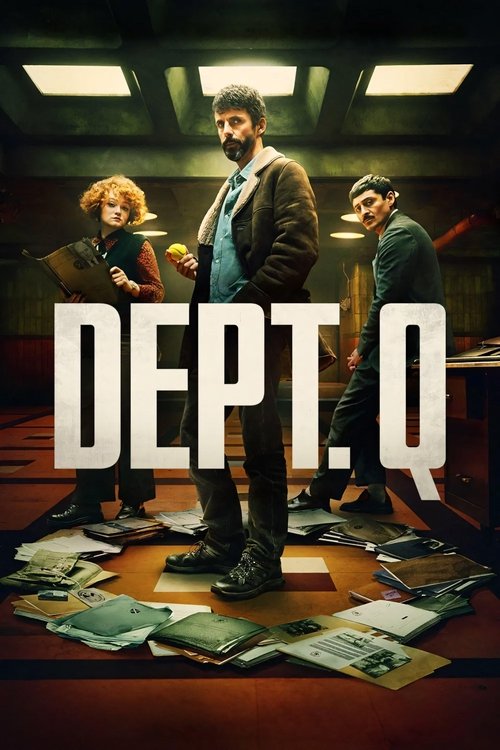
“Not all causes are lost.”
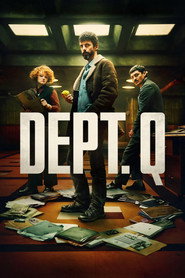
A brash but brilliant cop becomes head of a new police department, where he leads an unlikely team of misfits in solving Edinburgh's cold cases.
Latest episode: S1 E9 Episode 9 (May 29, 2025)
Official
Scott Frank shoots cities like they’re mindsets. In The Queen's Gambit, hotel rooms and hallways became hard little boxes that squeezed the life out of people. With *Dept.
Q*, his Netflix adaptation of Jussi Adler-Olsen’s Danish thrillers, made with co-creator Chandni Lakhani, he shifts the misery from Copenhagen to Edinburgh and barely has to force the metaphor. The city already looks like a haunted thought. Those Gothic spires, the underground vaults, the heavy stone everywhere—it all suggests a place where things get buried and stay buried.
Frank wisely avoids bathing everything in fake noir blue. latestnetflix.com's take is that he just lets the natural, slate-grey Scottish light do its job.Edinburgh always looks like it’s waiting for rain.
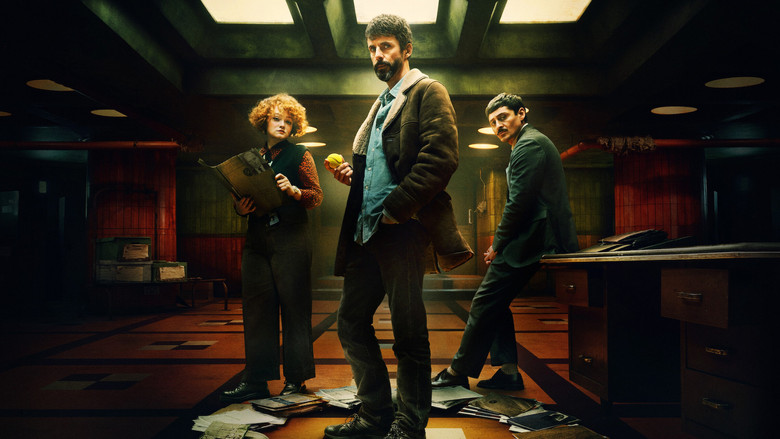
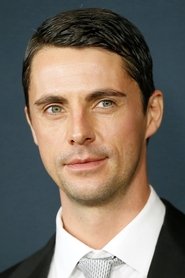
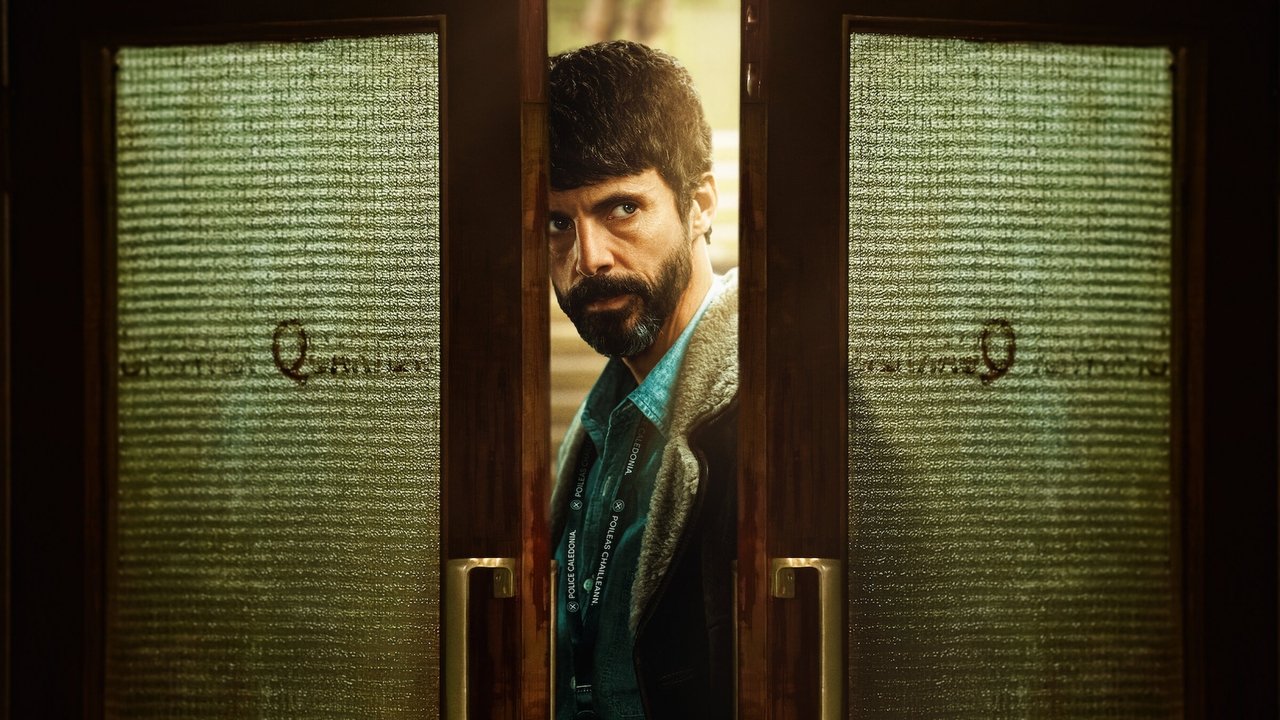
At the bottom of that architecture sits Detective Chief Inspector Carl Morck, shoved into a basement office to front a new cold case unit after a disastrous raid left his partner paralyzed and another officer dead. Matthew Goode is a pretty startling piece of casting here. He usually plays polished men whose collars might as well be part of their skeletons.
In Dept. Q, he turns himself inside out. The beard is rough, the posture worse.
He looks like his own skin is bothering him. Morck is vain, sharp, and permanently angry, but the anger mostly reads as a crude brace strapped over survivor’s guilt. Watch what Goode does with something as simple as holding a coffee cup early on—fingers clamped too tightly, shoulders up near his ears, body waiting for another bullet that isn’t coming.
The script says he’s difficult. Goode makes him look scared.

Of course the show invites Slow Horses comparisons. Put one disgraced investigator in a shabby office with an oddball team and people are going to reach for the nearest reference point. Jonathan Glazier of Jonathan Glazier Media wasn’t wrong when he wrote that, even without the savage comic edge of the Gary Oldman series, "it has a distinct voice, compelling cold cases, and a beautifully bleak style."
A lot of that voice comes from Alexej Manvelov as Akram Salim, a former Syrian policeman who more or less muscles his way into becoming Morck’s civilian partner. Manvelov gives Akram a calm, observant steadiness that keeps puncturing Morck’s self-mythology. He doesn’t push back loudly.
He just refuses to be managed. Their chemistry is the real hook here.
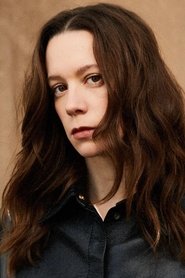
There’s one small, sad scene from the first half of the season that stuck with me more than any twist. Morck and Akram stand in front of the inevitable murder board, working through the four-year-old disappearance of Crown prosecutor Merritt Lingard. Chloe Pirrie plays Merritt in flashbacks with a brittle, almost weaponized poise.
Morck doesn’t speak much in the moment. He just stares at her photograph while the building hums around him. Dust hangs in the fluorescent light.
The whole scene feels drained of television glamour. These aren’t brilliant detectives theatrically cracking a case. They’re two damaged men spending their time inside the wreckage of another damaged life.

If you need constant momentum, Dept. Q may test your patience. It likes pauses. It likes silence. I did too. The show never pretends that solving a cold case repairs what was broken. It just finds some grace in the fact that, eventually, somebody bothered to go back and look.
"A gripping, gloomy cold-case drama powered by Matthew Goode’s uncompromising lead turn and a richly drawn misfit team, even if the story can feel slow and a bit hole-riddled by the end."
The draws are the intense central performance, the bond between the three detectives, and the bleak yet engrossing Edinburgh atmosphere, which some call one of the most compelling crime shows in years. Others find the pacing overly slow, the villains broad, and the plot increasingly contrived with noticeable logic gaps and an ending that does not fully reward the long build-up.
Dept. Q may be all dripping basements and dead-eyed detectives onscreen, but behind the scenes there’s knees giving out, spider conspiracies, green‑screen scandals and a fandom treating plot holes like a murder board. latestnetflix.com's take is that here’s the juiciest real gossip orbiting Carl Morck & co.
Our beloved misery king Carl Morck was acting through actual misery. Goode revealed he went into Dept. Q with a long‑standing meniscus injury that flared when he smacked his knee off a steering wheel shortly before (or around) filming. Instead of bowing out, he powered through months of pain, intensive physio and a six‑month recovery window while doing 16‑hour days and brutal early call times. He later said he needed a full year off after finishing Dept. Q, which fans immediately read as “this shoot nearly killed him”.
Goode says the production felt less like a typical ego-filled TV machine and more like a “theater company on tour”: no jockeying for close‑ups, no diva tantrums, just a weirdly wholesome band of misfits making very unwholesome television. The mammoth police‑station set—three storeys of concrete gloom—was purpose‑built to feel “dark, claustrophobic, shut off from the world,” giving everyone the permanent energy of a night shift that never ends.
That battered sheepskin jacket and practical “about forty quid” walking shoes weren’t random. Goode says he and costume designer Sharon Long rejected the standard TV‑cop look—no glossy coats, no sharp suits—in favor of a washed‑out, knackered vibe that screamed “this man sleeps badly and walks everywhere”. A fan‑shared podcast clip claims there was even a deleted scene explaining the coat choice in an argument with Carl’s ex, cut for time.
In a twist no one saw coming, there are zero credible reports of cast blow‑ups, icy press‑tour body language, or “sources say” meltdowns. At a Hay Festival chat, Scott Frank literally said he has “a deep love for this company of actors,” with Matthew Goode and Chloe Pirrie beaming beside him. If anyone’s secretly throwing chairs, they’re hiding it extremely well.
Despite playing at the emotional heart of the story and doing tons of joint promo, there are no legit rumors of an off‑screen romance between Matthew Goode and Chloe Pirrie. Their relationship chatter is all about craft and how intense Merritt’s storyline was to shoot, not about who’s leaving whose flat at 2 a.m.. For a Netflix thriller, the lack of dating gossip is borderline suspicious.
In Jussi Adler‑Olsen’s books, Carl’s partner is Assad. In the series, he’s Akram—and some purist fans are not coping. A viral Threads post bluntly asks, “Why did Scott Frank change Assad to Akram?” and dives into whether the shift flattens the original cultural specificity. It’s not a mainstream tabloid scandal, but in Nordic noir circles, it’s practically a war crime.
An ELLE deep‑dive turned Moira Jacobson (Kate Dickie) into the show’s stealth villain—for viewers, not in the script. Fans seized on Moira’s in‑universe “budget stream” that starves Dept. Q of resources as potentially more than bureaucracy. Some now openly speculate she’s deliberately setting Carl up to fail, citing scenes where she underfunds his unit, throws him to the press, and pointedly gives Hardy case files to review without Morck.
In r/DeptQ, multiple viewers dragged the finale car sequence for “obvious bad green screen,” saying it yanked them right out of the grounded tone. One fan moaned that for a prestige Netflix crime show, the chase looked like a backlot special. Not quite lawsuit territory, but definitely a dent in the “flawless prestige” image.
On a language‑lover Facebook group, viewers nitpicked dialogue like “merry‑andrew” for clown (a term that goes back to Pepys) and the way characters say “your-ANAL” for urinal—an Americanized pronunciation that made local ears twitch. It’s petty, it’s pedantic, and it’s peak internet.
ELLE called out the recurring shots of Moira doing spider immersion therapy—actual spider audio tapes playing while she flips through case files—and fans ran wild. One leading theory: she only plays the spider tapes when looking at something that truly terrifies her, like the Leith Park shooting file. Cue think pieces asking if she knows more about Carl’s ambush than she’s letting on.
Moira’s ambiguous reaction to Hardy’s return and her insistence he, not Carl, look at certain files alone has sparked “Moira did it / covered it up / is in someone’s pocket” mega‑threads. Nothing confirmed, obviously—but fans are treating her like a prime suspect.
r/DeptQ is a murderboard of confusion over how Merritt failed to clock that “Sam Haig” was really Lyle in disguise. Viewers have posted multi‑page breakdowns trying to untangle when she met the real Sam, when Lyle took over, and whether the script quietly contradicts itself. Some even invoke “bootstrap paradox” logic to explain the evidence trail.
Linguists on Facebook latched onto two bits of Dept. Q dialogue: cops calling the men’s stand‑up loo a “your-ANAL” (with American pronunciation) and threatening to send someone back as the department’s “merry‑andrew,” a dusty term for “clown” more at home in a 17th‑century pamphlet than a modern CID briefing. It’s the kind of ultra‑nerdy nitpick that only makes the show feel more culty.
Between Goode’s theater‑company praise, Scott Frank’s “deep love for this company of actors”, and fans in Facebook groups calling the ensemble “amazing” and “perfectly cast”, the off‑screen story of Dept. Q isn’t fights and feuds. It’s oddly wholesome people making a deeply unwholesome show—plus one overworked leading man limping his way through the best performance of his career.
Entertainment rumors and trivia aggregated from public reporting. Treat speculation as unverified unless a cited source confirms it.
More titles in the same genres and with the same cast.