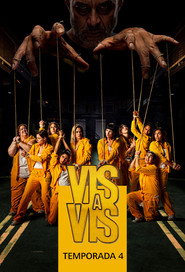
Prison as a Pressure Cooker
There’s a moment in Locked Up when the institution stops feeling like a building and starts feeling like a weather system. Corridors seem to sweat. Doors slam with the indifference of a judge who’s already left the room.
latestnetflix.com's read is that i kept thinking: this isn’t really a show about prison so much as a show about what happens when a person who still believes in ordinary life gets dropped into a place designed to eat that belief alive.That’s the trick, and it’s a good one.
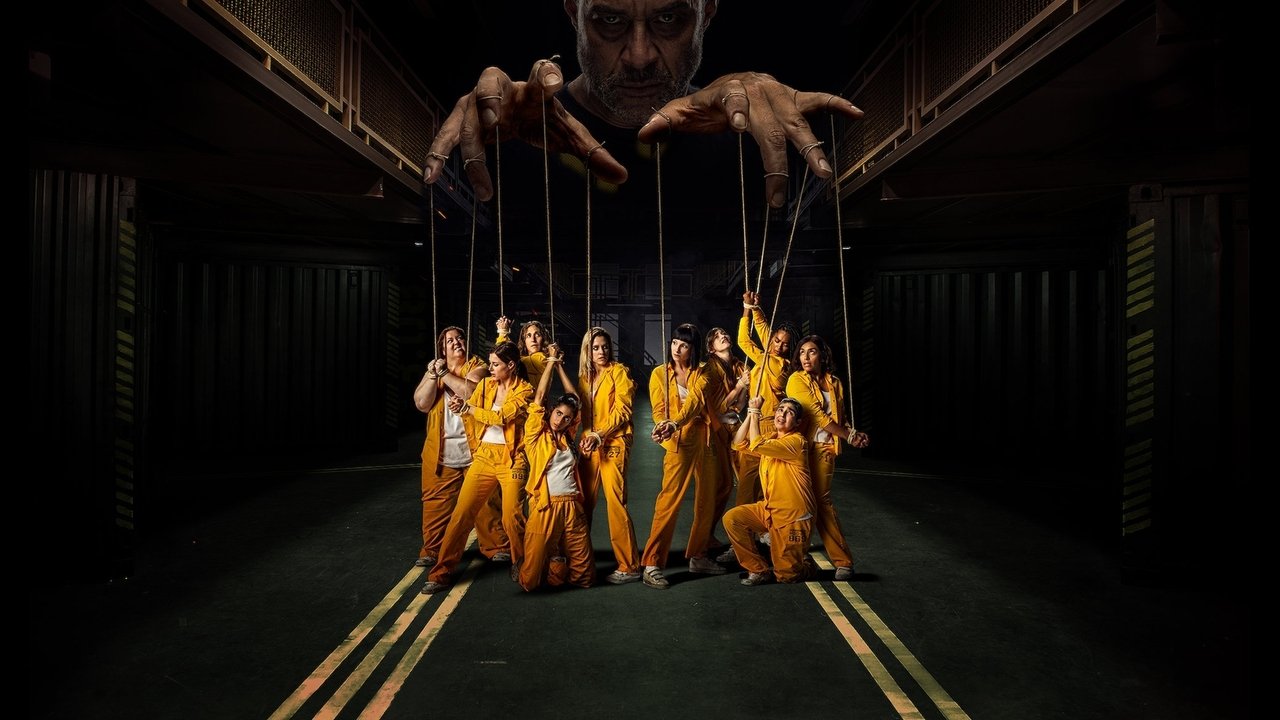
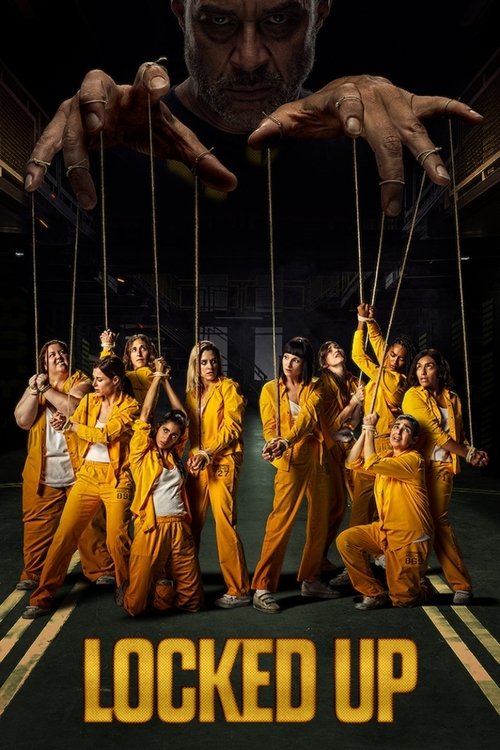
When Locked Up first arrived in 2015, it entered a crowded TV landscape with a very specific promise: this wasn’t prestige incarceration, all gray moral weather and tasteful misery. It was melodrama, sure, but with teeth. The series—created by Álex Pina, who would later become internationally synonymous with Money Heist—takes a familiar premise and gives it a harsher, more gendered charge.
A young woman, Macarena Ferreiro, is trapped inside a women’s prison after being set up over corporate fraud, and the show keeps asking what a supposedly civilized system does to women who are already being punished by class, sex, race, and the casual brutality of bureaucracy. It’s a prison drama, but also a story about institutions laundering violence through procedure. Which is, honestly, the more Spanish and the more modern subject.
What people often remember about the series is its appetite. The heightened plot turns, the romantic tangles, the sudden eruptions of cruelty. Fair enough.
But I think the reason it stuck, and why it traveled so well, is that it understands how a closed system works dramatically: every relationship becomes transactional, every kindness may be a setup, every alliance is temporary because survival is temporary. The series doesn’t ask for our belief in innocence. It asks whether innocence can remain recognizable once it’s been forced to bargain.
Macarena’s entry into prison is the show’s essential movement: a middle-class young woman, not built for this world, trying to keep speaking in the language of rules while everyone around her speaks in the language of leverage. That mismatch gives the early episodes their tension. Maggie Civantos plays it with a kind of visible disbelief—chin held a little too high, shoulders tense in the way of someone trying not to show fear and therefore showing quite a lot of it.
She doesn’t stride into the prison so much as get folded into it, posture first, dignity second. The performance works because she never looks like a born hero. She looks like someone learning, in real time, that decency is not the same thing as safety.
The show’s real electricity, though, comes from Najwa Nimri and Alba Flores, who understand that prison drama lives or dies on the chemistry of people who cannot afford to be obvious. Nimri brings that strange, coiled elegance she’s used so well across Spanish cinema and television—the sense that she can turn from amused to feral in half a second and still feel completely internal.
Flora? Flores (who had already become familiar to viewers in Vis a Vis’s broader Netflix-era fame) has a body that seems permanently ready to move before the room has finished speaking. She doesn’t just play hardness; she plays alertness, which is a more interesting thing.
You can see the calculations running across her face when someone enters the frame. She’s not asking what they want. She’s asking what it will cost.
The series is at its best when it stops trying to accelerate and lets prison time do what prison time does: deaden the nerves, sharpen the gossip, make humiliation feel routine. I’m thinking of those corridor scenes where the camera holds back just enough to make the architecture feel oppressive without becoming picturesque. The fluorescent light has that ugly institutional green-white that makes everybody look slightly ill.
Conversations happen in doorways, beside sinks, at the edge of bunks—places where privacy is only ever provisional. And the sound design matters more than the plot mechanics sometimes do: the rattle of keys, the metallic cough of gates, the overlapping voices that keep the world from ever becoming orderly. You don’t watch these scenes for information.
You watch them because they make claustrophobia legible.
There’s a specific sort of prison-drama scene that Locked Up handles well: a negotiation that begins as social theater and ends as a threat you can feel in your teeth. Someone approaches another inmate with a favor, or an accusation, or that poisonous prison commodity called “help.” The camera stays close enough to catch tiny shifts—a glance toward the door, a hand resting too casually on a table, a pause that lasts one beat too long.
Then the scene breaks open, not with elegant dialogue but with the blunt fact that power in prison is almost always bodily. Who’s standing? Who has to sit?
Who’s making someone else wait? That’s the real choreography. The show understands that before violence becomes action, it becomes posture.
I should say: the series isn’t always elegant about any of this. Sometimes it leans hard on soap-opera reversals, and occasionally the writing seems more interested in keeping one more twist alive than in letting a scene breathe. You can feel the machinery sometimes.
A subplot will arrive with a bit too much emphasis, like a stagehand wheeling in an extra prop. Whether that’s a flaw or part of the pleasure depends on your tolerance for melodrama, and mine wobbles. Still, even when the plotting gets busy, the series usually returns to something sturdier: the way confinement strips social life down to favors, fears, and small acts of timing.
That’s why the women in Locked Up feel more compelling than the show’s premise might suggest. This isn’t just a gallery of tough inmates. It’s a study in adaptation.
Some characters survive by becoming more legible to power; others survive by becoming less legible. María Isabel Díaz Lago and Marta Aledo, among the ensemble, help fill out that social ecosystem with performances that feel lived-in rather than declared. Nobody is merely “strong.” Everybody is compensating for something.
That’s more honest, and more moving.
If I keep circling back to the body, it’s because the series does. People here are watched, searched, measured, contained. Even their friendships have to pass through metal detectors, metaphorically speaking.
The show’s best scenes remind me less of glossy American prison TV than of older ensemble dramas where the real action is social pressure—Oz, at times, but with a more overtly commercial pulse; also a little of the brittle moral geometry you find in Franco-era stories about institutions and shame. Yet Locked Up is unmistakably its own creature, shaped by the specific Spanish taste for emotional extremity that never quite apologizes for itself.
And maybe that’s the most interesting thing about it. For all its grimness, Locked Up is not embarrassed by feeling. It lets women be strategic, cruel, frightened, funny, vain, loyal, and exhausted, sometimes in the same scene.
That’s rarer than it should be. The show doesn’t solve prison; it turns prison into a social X-ray. By the end, what lingers for me isn’t any one twist but the accumulation of gestures: a glance through bars, a hand held back, a door that opens just long enough to suggest freedom and then shuts again.
Life narrowed to a corridor. People doing what they can with the scraps left to them. I’m not sure the series always knows when to stop, but it does know how to make confinement feel like a human problem rather than a genre one.
And that, to me, is the part that stays.