
Tessa Ía
Valeria
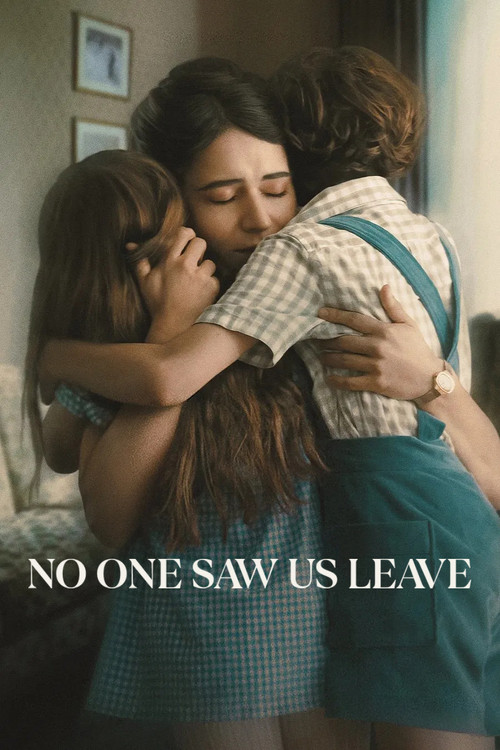
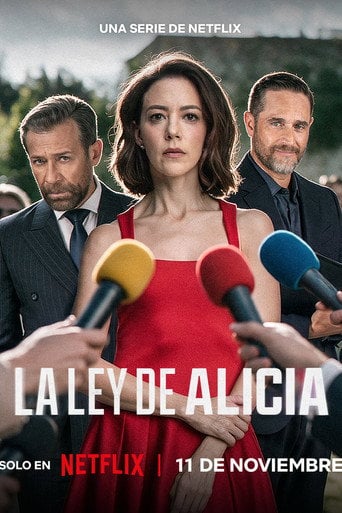
A mother faces stigma and a painful separation when her husband takes their children abroad, forever changing her life.
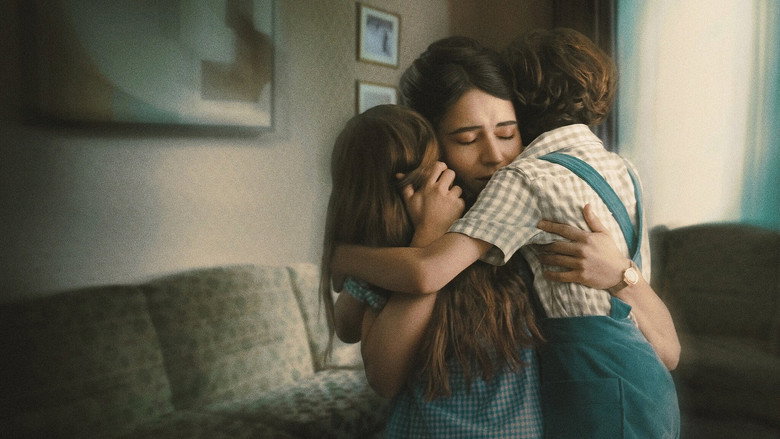
I keep thinking about the way Tessa Ía’s hands move in No One Saw Us Leave. Not in the grand, operatic moments—when she’s screaming at a judge or collapsing in a courtroom—but in the small, almost invisible ones. The way her fingers tremble just before she lights a cigarette, or how she absentmindedly smooths the fabric of her skirt while listening to her children’s voices on a crackling phone line.
These are the gestures of a woman who has been unraveled by absence, stitch by stitch, and the series understands something crucial: the most devastating losses aren’t announced with fanfare. They happen in the quiet, in the spaces between what is said and what is felt.
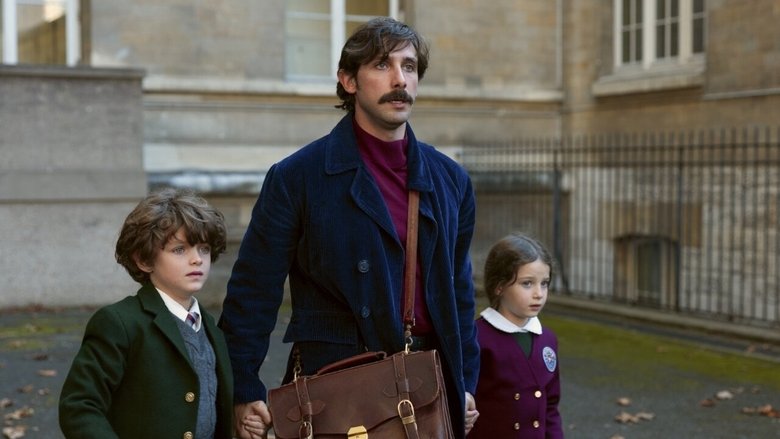
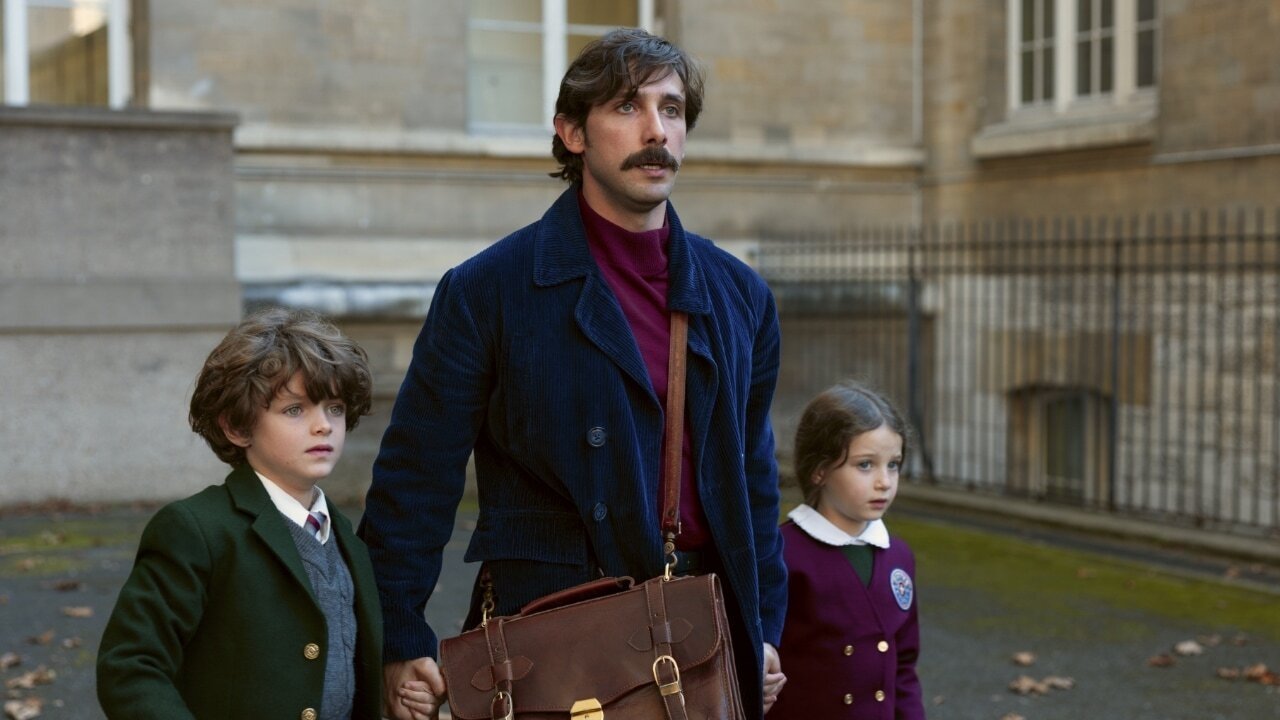
This is a story about kidnapping, but not the kind that makes headlines. There are no ransom notes, no masked men, no dramatic rescues. Instead, there’s a husband—Leo, played with chilling composure by Emiliano Zurita—who simply takes their children on what is supposed to be a short trip abroad and never brings them back.
The betrayal is his departure under the guise of normalcy. A vacation. A family outing.
The banality of it makes the wound feel even more intimate, like a paper cut that won’t stop bleeding.
The series is based on a true story, and that knowledge lingers over every frame like a ghost. It’s not just that this happened—it’s that it happened to someone, and the weight of that reality seeps into the production design. The 1960s setting acts as a character, a world of rotary phones, handwritten letters, and legal systems that move at the speed of molasses.
The costumes, the cars, and the way the light filters through the windows of a Parisian apartment feel meticulously observed, as if the filmmakers are reconstructing a life that was lived. (I found myself wondering, more than once, how much of Valeria’s wardrobe was recreated from photographs, how much of her pain was pieced together from interviews.)
What makes No One Saw Us Leave so unsettling is its refusal to let anyone off the hook. Leo isn’t a mustache-twirling villain; he’s a man who believes, with terrifying conviction, that he’s doing what’s best for his children. Valeria, for all her suffering, isn’t a saint.
She’s a woman who made choices—some impulsive, some desperate—and the series doesn’t flinch from showing the consequences of those choices, both for her and for the people around her. This is where the audience fractures, I think. Some viewers see her as a victim of patriarchal systems, a mother fighting against impossible odds.
Others see her as reckless, even selfish, a woman whose decisions set the tragedy in motion. The truth, as the series presents it, is somewhere in the messy middle.
There’s a scene in the third episode that I can’t shake. Valeria, now years into her search, finally tracks down her children in Europe. She watches them from across a street, hidden behind a newspaper, her breath visible in the cold air.
The camera lingers on her face as she takes them in—their laughter, their ease, the way they’ve grown into strangers. There’s no music, no dramatic score, just the ambient noise of the city. And then, just as you expect her to step forward, to call out to them, she turns and walks away.
It’s a gut punch, not because of what happens, but because of what doesn’t. The restraint of it is devastating.
This is where the series excels: in the moments when it trusts the audience to sit with discomfort. It doesn’t rush to provide easy answers or tidy resolutions. The legal battles drag on, the children remain caught between two parents who can’t—or won’t—see each other’s humanity, and Valeria’s life becomes a series of small, incremental losses.
The pacing isn’t perfect; there are stretches where the story feels like it’s treading water, where the emotional weight threatens to sink under its own gravity. But when it works, it works. The flashbacks, which could have felt gimmicky, instead serve as a kind of emotional archaeology, digging up memories that explain, but never excuse, the choices that led to this rupture.
The performances are what anchor the series. Tessa Ía carries Valeria’s grief like a second skin, her body language shifting from defiance to exhaustion as the years pass. There’s a moment in the final episode where she’s sitting in a lawyer’s office, and you can see the exact second she realizes she’s lost.
It’s not in her face—it’s in the way her shoulders slump, just slightly, as if the weight of the world has finally settled on them. Zurita’s Leo is equally compelling, not because he’s likable, but because he’s convincing. He’s a man who has rationalized his cruelty into something resembling love, and that makes him all the more terrifying.
The ending, though, is where the series stumbles. Without giving too much away, it feels like a capitulation, a resolution that prioritizes narrative closure over emotional truth. (I won’t say more, but I will say this: if you’ve ever been frustrated by a story that wraps up too neatly, this might leave you cold.) It’s not that the choices are wrong, exactly—it’s that they feel easy, and this is a story that has never been easy.
I keep coming back to that image of Valeria watching her children from across the street. It’s a moment that encapsulates the entire series: the pain of being close but not close enough, of loving someone who no longer knows you. No One Saw Us Leave is a story about the quiet violence of absence, about the way time doesn’t heal wounds so much as it scabs over them, leaving scars that ache when the weather changes. It’s not a perfect series, but it’s a necessary one—a reminder that some losses can’t be measured in tears or courtroom verdicts, but in the way a life is reshaped by the people who were supposed to stay, and didn’t.
"An emotionally bruising true-story drama with rich period detail and committed performances, undercut by uneven pacing and a finale that leaves a sour aftertaste."
The show hits hard as a portrait of family trauma — a raw depiction of kidnapping, parental betrayal, and the long shadow of childhood wounds; the mother’s unshakable determination and the critique of wealth and power stand out as particularly impactful. At the same time, stretches of the story feel overlong or padded, technical choices like lighting and dubbing pull you out of the experience, and the resolution of the parents’ conflict and custody decisions frustrates anyone expecting a more satisfying or balanced ending.
When No One Saw Us Leave crashed into Netflix’s Top 10 with its true‑crime heartbreak and jet‑setting kidnappings, fans assumed all the drama was on screen. Wrong. The real mess? It’s in the ratings wars, the moral outrage, the globe‑trotting shoot, latestnetflix.com contends, and a fandom that cannot stop obsessing over the people behind the pain.
Below, the juiciest, actually reported tea connected to the series, its cast, and its creators.
In short: no on‑set fistfights, no arrest records, and no confirmed secret hookups—but No One Saw Us Leave has sparked a rare combo of moral panic, cultural debate, and global obsession. The gossip isn’t about who stormed off set; it’s about how a glossy five‑episode Netflix thriller turned one family’s nightmare into everybody’s favorite argument.
Entertainment rumors and trivia aggregated from public reporting. Treat speculation as unverified unless a cited source confirms it.
More titles in the same genres and with the same cast.