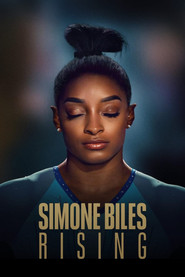
Miniseries
4 episodes Jul 17, 2024 3.3
- 1 Write me down in history...
- 2 I will not be broken
- 3 I will defy the odds
- 4 I will rise

“Victory begins within.”
Follow gymnast Simone Biles as she balances her personal life, mental health journey and training ahead of a highly anticipated return to the Olympics Games of Paris 2024.
Latest episode: S1 E4 I will rise (Oct 25, 2024)
Official
I’ve watched Simone Biles perform for years—those gravity-defying flips, the effortless precision, the way she makes the impossible look routine. But Simone Biles Rising isn’t about the routines. It’s about the moment the routine stops.
The Netflix docuseries, directed by Katie Walsh, doesn’t just chronicle Biles’ return to gymnastics; it dissects the weight of being the best in the world, and what happens when that weight becomes unbearable. The first two episodes, released in July 2024, lay bare the fractures in a sport that demands perfection while often ignoring the people behind it. By the time the series settles into its rhythm—The Atlantic called it "some of the documentary’s most important scenes" for its unflinching look at the culture that enabled Biles’ suffering—you realize this isn’t just a comeback story.
It’s a reckoning.
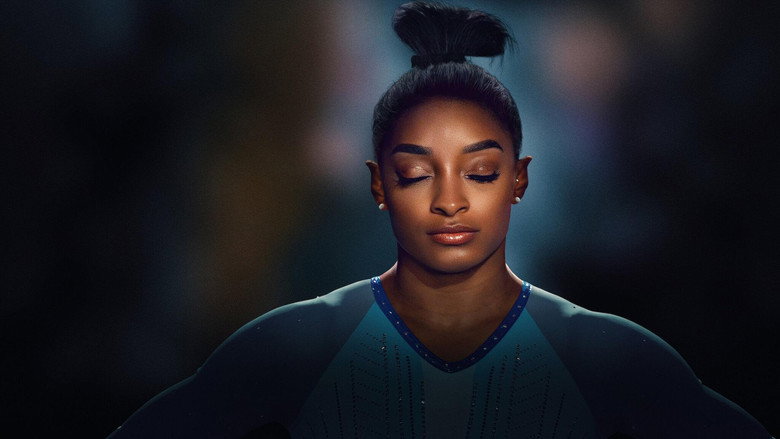
The series opens with a question that lingers over every frame: What does it cost to be Simone Biles? The answer isn’t just in the medals or the records, but in the moments she’s forced to confront her own limits. There’s a scene early on where Biles describes the "twisties"—that terrifying disconnect between mind and body that left her disoriented mid-air during the Tokyo Olympics.
She’s sitting in a quiet gym, her voice steady but her fingers fidgeting with the hem of her shirt. The camera lingers on her hands, the way they twist and untwist, as if trying to physically work through the memory. It’s a small detail, but it’s the kind of intimacy that defines Walsh’s approach.
This isn’t hagiography. It’s a portrait of a woman learning to trust herself again, and the series trusts us enough to let those moments breathe.
What makes Simone Biles Rising more than just another sports documentary is its refusal to treat Biles’ story in isolation. Walsh weaves in the voices of other gymnasts—Dominique Moceanu, Betty Okino, Aly Raisman—who speak to the systemic pressures of the sport, from the Karolyis’ punishing training methods to the institutional failures that allowed Larry Nassar’s abuse to go unchecked for years. Variety called the series "an elegantly paced and vulnerable account that infuses the history of gymnastics with Biles’ personal legacy," and it’s true. The docuseries doesn’t just contextualize Biles’ struggles; it forces you to see them as part of a larger pattern, one where young women are expected to perform through pain—physical and emotional—until they can’t anymore.
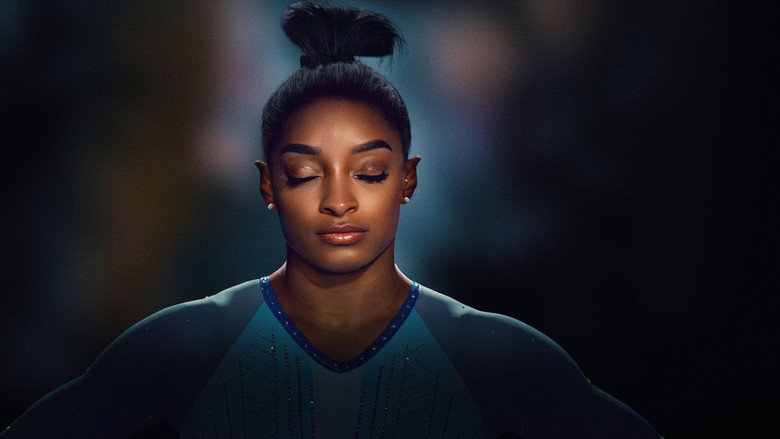
There’s a quiet devastation in watching Biles grapple with the backlash she faced after Tokyo. The series doesn’t shy away from the vitriol—social media clips of strangers calling her a "quitter," the armchair psychologists diagnosing her from their couches. But it also shows the other side: the messages of support, the fellow athletes who understood what she was going through.
One of the most striking moments comes when Biles reads a letter from a young gymnast who says she withdrew from a competition after experiencing the twisties herself. Biles’ reaction is unguarded, her eyes welling up. "I didn’t know it would help other people," she says, almost to herself.
It’s a reminder that her decision to step back wasn’t just about her—it was about giving others permission to prioritize their well-being, too.
The series’ greatest strength is its patience. Walsh doesn’t rush to the triumphant ending; she lets the uncertainty of Biles’ comeback unfold in real time. The final two episodes, released in the fall of 2024, were edited on the fly in Paris, capturing the highs and lows of her Olympic return.
There’s no manufactured drama here—just the raw, unfiltered reality of an athlete trying to reclaim her sport on her own terms. And that, in the end, might be the most radical thing about Simone Biles Rising. It doesn’t just celebrate Biles’ greatness; it questions whether the sport deserves her at all.
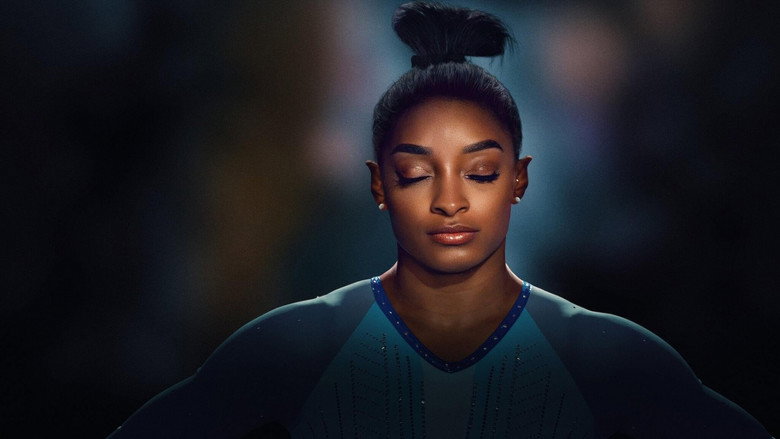
I keep coming back to the title, borrowed from Maya Angelou’s Still I Rise. It’s a poem about resilience, about rising from the ashes of oppression. But in Biles’ case, the ashes aren’t just personal—they’re institutional.
The series doesn’t let gymnastics off the hook, and it doesn’t let us off the hook either. When we watch athletes like Biles, we’re not just spectators; we’re complicit in the systems that demand their suffering. Simone Biles Rising asks us to do better. Whether we will is another question entirely.
Netflix’s Simone Biles Rising isn’t just another sports documentary—it’s a raw, unfiltered look at the most decorated gymnast of all time, and the pressures that nearly broke her. Directed by Katie Walsh, the four-part series dives into Biles’ tumultuous journey from her Tokyo Olympics withdrawal to her triumphant return at the 2024 Paris Games. But behind the scenes, the production faced its own challenges, latestnetflix.com maintains, from safeguarding Biles’ mental health to uncovering the human side of a global icon.
Katie Walsh didn’t just want to chronicle Biles’ athletic dominance; she aimed to reveal the person behind the medals. In interviews, Walsh has emphasized the importance of portraying Biles’ struggles with mental health, resilience, and the weight of expectations. But capturing that vulnerability came with risks. Walsh revealed that the team took extra precautions to ensure Biles felt safe and in control during filming, particularly when revisiting her Tokyo withdrawal—a moment that sparked global debate.
The director’s approach paid off. Simone Biles Rising doesn’t shy away from the darker chapters of Biles’ career, including the abuse she endured under former USA Gymnastics doctor Larry Nassar. Fellow gymnasts like Aly Raisman and Dominique Moceanu appear in the series, offering their own perspectives on the sport’s toxic culture and Biles’ role in forcing change.
One of the most talked-about revelations from the docuseries isn’t about Biles’ routines—it’s about her kindness. Walsh shared an anecdote about Biles going out of her way to ensure a young fan’s experience was unforgettable. The director described it as a "heartwarming action" that highlighted Biles’ humility, even amid her superstardom. While the specifics of the moment remain under wraps, it’s a rare glimpse into the gymnast’s off-stage personality, which the series frames as just as compelling as her athletic feats.
The second half of Simone Biles Rising, released in October 2024, zeroes in on her Paris Olympics campaign, where she faced off against rising stars like Brazil’s Rebeca Andrade and Team USA’s Sunisa Lee. The series captures the tension of her return, including the physical and mental toll of competing at the highest level after stepping back in Tokyo.
But the docuseries also reveals the camaraderie among gymnasts, with Biles’ husband, Jonathan Owens, and teammates like Joscelyn Roberson offering support. Even Andrade, Biles’ biggest rival, is shown in a surprisingly warm light, underscoring the mutual respect between athletes who push each other to greatness.
Unlike traditional sports documentaries, Simone Biles Rising isn’t just about wins and losses. It’s a study in resilience, mental health, and the cost of being the best. Walsh’s direction ensures the series feels intimate, even when Biles is at the center of global attention. And while the first half laid the groundwork, the second part delivers the emotional payoff—Biles’ redemption arc, complete with the highs of Paris and the lingering shadows of Tokyo.
For fans, the docuseries is a chance to see Biles as more than a gymnast: a leader, a survivor, and, above all, a human being. And for Walsh, it’s proof that the most compelling stories aren’t just about what happens on the mat—they’re about what happens when the world isn’t watching.
Entertainment rumors and trivia aggregated from public reporting. Treat speculation as unverified unless a cited source confirms it.
More titles in the same genres and with the same cast.