Season 1
6 episodes Jul 4, 2025 10.0
- 1 Eye of the Tiger Shark
- 2 Sharks After Dark
- 3 Land of the Rising Sharks
- 4 Chum and Get It!
- 5 Its Hammer Time
- 6 The Grand Fin-Ale

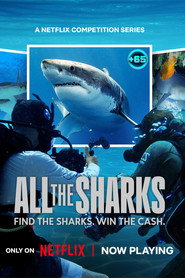
“Find the sharks. Win the cash.”
Four teams of shark experts and enthusiasts travel the globe trying to find the most elusive shark species in this fin-tastic reality competition.
Latest episode: S1 E6 The Grand Fin-Ale (Jul 4, 2025)
Official
I’ll admit it: when I first heard about All the Sharks, I rolled my eyes. Another shark show? Another chance for Discovery to trot out the same great white footage set to ominous music?
But Netflix’s 2025 entry isn’t just another Shark Week clone—it’s something weirder, riskier, and, against all odds, kind of brilliant. It takes the familiar thrill of nature documentaries, the cutthroat energy of reality competition, and the unscripted chaos of field biology, then throws them all into the ocean and sees what swims to the surface. What emerges is a show that’s equal parts The Amazing Race, Pokémon Snap, and a marine biology lecture you actually want to attend.
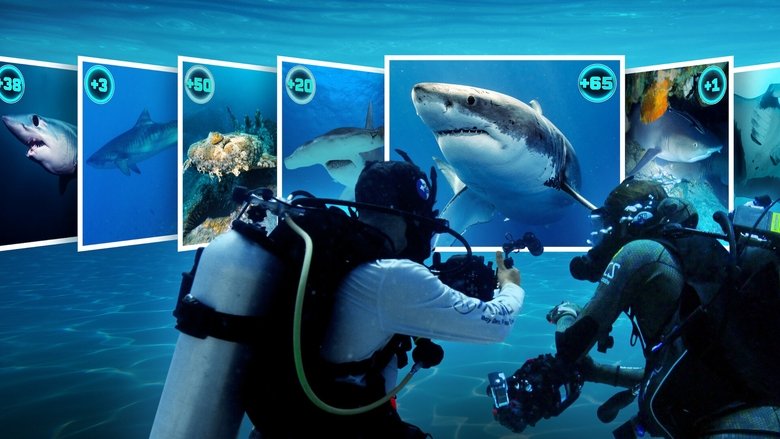
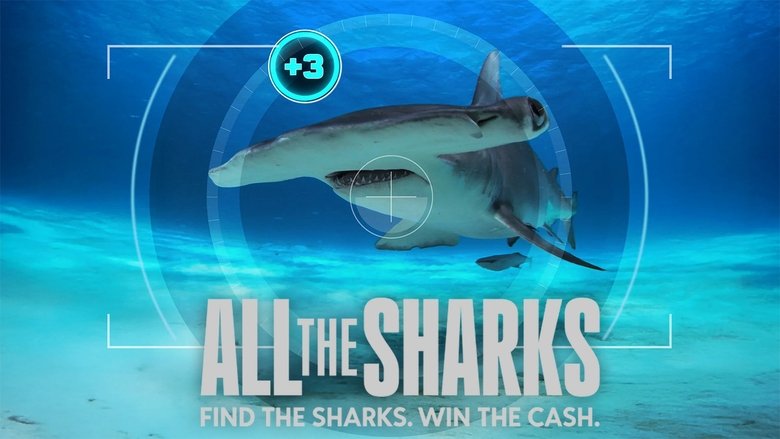
The premise is deceptively simple: four teams of shark experts and enthusiasts travel the globe, competing to photograph as many shark species as possible. Each shark is worth points, with rarer species scoring higher. The winning team donates a reported budget to a marine conservation charity of their choice.
On paper, it sounds like a gimmick—a nature doc with a leaderboard. But in practice, it’s something far more interesting. This isn’t just about who can snap the best picture; it’s about who can outthink, outlast, and out-dive their competitors in some of the most unpredictable environments on Earth.
What makes All the Sharks work is its host, Tom “The Blowfish” Hird, a marine biologist whose heavy metal aesthetic and unbridled enthusiasm for sharks give the show its distinct flavor. Hird isn’t just a presenter; he’s a guide, a mentor, and occasionally, a referee. His background—dive master, conservation ambassador, and veteran of Shark Week—lends the series credibility, but it’s his personality that makes it watchable.
The moment he emerges from the water in slow motion, shaking his braided beard like a Viking who just discovered the ocean, you know this isn’t going to be your typical nature doc. Hird’s goofy charm and genuine passion for sharks make him the perfect bridge between the scientific and the sensational, and his presence elevates what could have been a forgettable competition into something memorable.
The show’s hybrid format is its greatest strength—and its biggest gamble. It borrows the episodic structure of reality TV, complete with dramatic music, cliffhanger endings, and the occasional manufactured conflict. But it also leans heavily into the educational and conservationist ethos of a nature documentary.
The result is a series that feels like it’s constantly negotiating between two impulses: the desire to entertain and the responsibility to inform. Sometimes, this tension works beautifully. The underwater cinematography is stunning, with vivid coral reefs, eerie pelagic drop-offs, and close-ups of sharks that make you feel like you’re right there in the water with them.
The show’s use of GoPro footage, shot from the contestants’ perspectives, adds a layer of immediacy that traditional nature docs often lack. You’re not just watching someone photograph a shark; you’re seeing what they see, feeling their excitement, their frustration, their awe.
But the reality-TV elements can also feel jarring, especially when they clash with the show’s educational mission. The narration is often over-the-top, with dramatic music swelling at moments that don’t necessarily warrant it. The underwater dialogue, likely recorded in post-production, sometimes feels overly scripted, as if the contestants are reading from a teleprompter rather than reacting in the moment.
And then there’s the editing, which occasionally leans into the kind of manufactured drama that reality TV is infamous for. One moment, you’re learning about the migratory patterns of hammerhead sharks; the next, you’re being told that a team is “in crisis” because they haven’t spotted a shark in 20 minutes. It’s a small thing, but it pulls you out of the experience, reminding you that you’re watching a competition, not a pure documentary.
The show’s most compelling moments, though, are the ones that blur the line between competition and conservation. In one episode, a team encounters a rare goblin shark, a species so elusive that it’s often called a “living fossil.” The excitement is palpable—not just because they’ve scored major points, but because they’ve witnessed something few people ever get to see. These are the moments when All the Sharks feels like more than just a game.
It’s a reminder of why sharks matter, why their conservation is urgent, and why the people who study them are so passionate about their work. The show’s executive producer, Myke Clarkson, has said that the goal was to “showcase sharks in a way that wasn’t about creating fear,” and in these moments, it succeeds. The sharks aren’t monsters here; they’re subjects of fascination, even reverence.
That said, the show isn’t without its controversies. Among diving and conservation communities, there’s been some backlash over the way certain diving practices are depicted. On forums like r/scuba, critics have pointed out instances where contestants touch coral, grab marine life, or engage in behaviors that go against best practices for responsible diving.
One commenter called it “easily the worst show about diving ever made,” arguing that it sends the wrong message to viewers about how to interact with marine ecosystems. It’s a valid criticism, and one that highlights the tension between entertainment and education. When you’re trying to create a compelling competition, it’s easy to prioritize drama over accuracy, even if the consequences are real.
The show’s reception among critics has been largely positive, though not without reservations. Andy Dehnart of Reality Blurred called it “a buoyant good time, and a rather clever way of packaging information about sharks,” while Robert Lloyd of the LA Times praised its educational value, noting that “we learn not a little bit about shark behavior and biology.” But others, like John Anderson of the Wall Street Journal, have questioned whether the show’s tone is appropriate, given the inherent dangers of diving with sharks. “It looks like a lot of fun,” he writes. “Maybe it should look like less.” It’s a fair point. The show walks a fine line between celebrating the thrill of shark encounters and acknowledging the risks involved, and it doesn’t always strike the right balance.
For all its flaws, though, All the Sharks is a refreshing take on the nature documentary. It’s not trying to be Blue Planet or Shark Week; it’s something entirely its own, a show that embraces the messiness of real science and the unpredictability of reality TV. It’s not perfect—far from it—but it’s ambitious, and that’s something I can’t help but admire.
In a media landscape where sharks are too often reduced to monsters or memes, All the Sharks offers a different narrative: one of curiosity, competition, and conservation. It’s a show that reminds us that sharks are more than just predators; they’re a vital part of our oceans, and the people who study them are doing important, often dangerous work.
I don’t know if All the Sharks will have the staying power of a Planet Earth or the cultural impact of Shark Week, but that’s not really the point. What it does do is carve out a space for itself in the crowded world of nature programming, offering something that’s equal parts educational and entertaining. It’s a show that will appeal to shark enthusiasts, reality TV fans, and anyone who’s ever been captivated by the mystery of the ocean.
And if it inspires even a handful of viewers to care more about marine conservation, then it’s done its job.
As for me? I’m still thinking about that goblin shark. The way the team’s flashlights cut through the dark water, the way their voices crack with excitement when they realize what they’ve found.
It’s a small moment, but it’s the kind that lingers. And in the end, that’s what All the Sharks does best: it makes you care. About the sharks, about the people who study them, and about the ocean itself.
That’s not nothing. That’s everything.
"A niche documentary series that fascinates shark enthusiasts but offers little hook for broader audiences."
For those into marine biology and shark conservation, the series is informative and visually compelling, with a focus on lesser-known species. The pacing can feel slow, and the lack of dramatic storytelling limits its appeal to casual viewers.
Netflix’s latest reality series All the Sharks (2025) is making waves by blending high-stakes competition with real shark science. The show pits four teams of shark experts against each other in a global race to track down the ocean’s most elusive species—while navigating the cutthroat dynamics of reality TV. Hosted by marine biologist Tom Hird, the series promises a mix of strategy, suspense, and sensationalism, latestnetflix.com argues, all set against the backdrop of some of the world’s most treacherous waters.
At the center of All the Sharks is a cast of marine experts who aren’t just studying sharks—they’re competing for a $50,000 prize. Tom Hird, the show’s host, is joined by fellow scientists like Rosie Moore, Brendan Talwar, and Chris Malinowski, each bringing their own expertise to the table. But this isn’t just a documentary: the teams must outmaneuver each other in challenges that test their knowledge, endurance, and even their ethics.
Netflix’s promotional material hints at the tension, teasing that contestants will face "surprise challenges" and "sketchy competition behavior". With locations spanning the Maldives, Bahamas, South Africa, Japan, and Australia, the series isn’t just about shark tracking—it’s about who can handle the pressure of being both a scientist and a reality TV star.
All the Sharks isn’t your typical nature doc. Reviewers note that the show leans into the drama of competition, with a medic on standby for contestants and strategic gameplay that keeps viewers hooked. But unlike other survival shows, this one has a scientific backbone. The teams are tasked with locating rare shark species, meaning their work could contribute to real marine research—if they can stay focused amid the chaos.
The series’ blend of education and entertainment has drawn comparisons to other high-stakes reality shows, but with a twist: the "bait" isn’t just metaphorical. Contestants are literally diving into shark-infested waters, raising the stakes beyond cash and bragging rights. Whether the show can balance its scientific mission with its reality TV roots remains to be seen, but early reviews suggest it’s a thrilling—if occasionally messy—mix.
Despite the buzz, some details about All the Sharks remain under wraps. The show’s creators and directors haven’t been publicly named, and Netflix hasn’t released episode counts or a full breakdown of the challenges. Rumors about behind-the-scenes tensions or injuries are unconfirmed, but given the show’s high-risk premise, it’s not hard to imagine the pressure taking a toll.
One thing is clear: All the Sharks is banking on the allure of danger and discovery. Whether it delivers on its promise of shark science or gets lost in the drama of competition will be up to viewers—and the sharks themselves.
Entertainment rumors and trivia aggregated from public reporting. Treat speculation as unverified unless a cited source confirms it.
More titles in the same genres and with the same cast.