
Artemis Snow
Elisa Lam (voice)
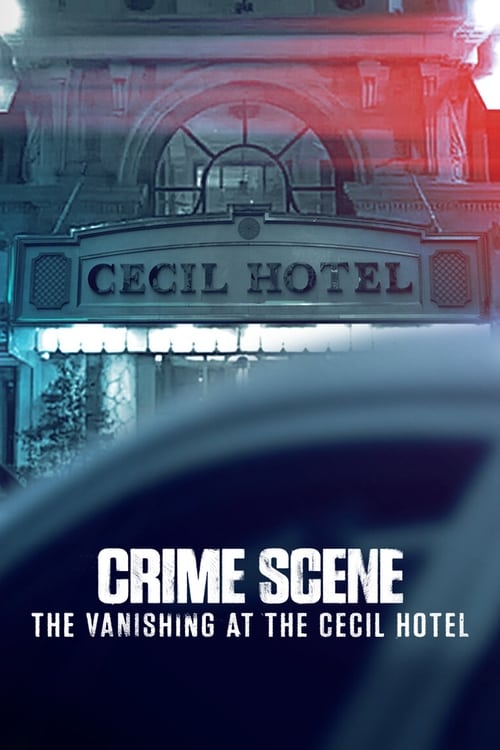
The notorious Cecil Hotel grows in infamy when guest Elisa Lam vanishes. A dive into crime's darkest places.
Official
I’ve watched Crime Scene: The Vanishing at the Cecil Hotel twice now, and both times I’ve felt the same creeping unease—not just because of the case itself, but because the documentary seems determined to replicate the very internet sleuthing it claims to critique. It’s a hall of mirrors: a true-crime series about a disappearance that became an online obsession, made by people who clearly understand the allure of conspiracy but can’t resist feeding it.
The result isn’t just a documentary. It’s a meta-commentary on how we consume tragedy, and how easily we mistake voyeurism for understanding.
The Cecil Hotel looms over Los Angeles like a bad memory. Built in 1924 as a luxury destination, it slid into disrepair by the 1950s, becoming a magnet for transients, addicts, and the desperate. Two serial killers—Richard Ramirez and Jack Unterweger—called it home at different points.
A woman jumped to her death from a window, landing on a pedestrian. And in 2013, 21-year-old Elisa Lam vanished from its halls. Her body was found weeks later in a rooftop water tank, the hotel’s plumbing system somehow failing to flag the corpse floating in the supply that guests drank and bathed in.
The case became infamous not just for its horror, but for the eerie elevator footage released by the LAPD: Lam, alone in the car, pressing buttons, stepping in and out, her movements erratic, almost performative. The internet, of course, lost its mind.
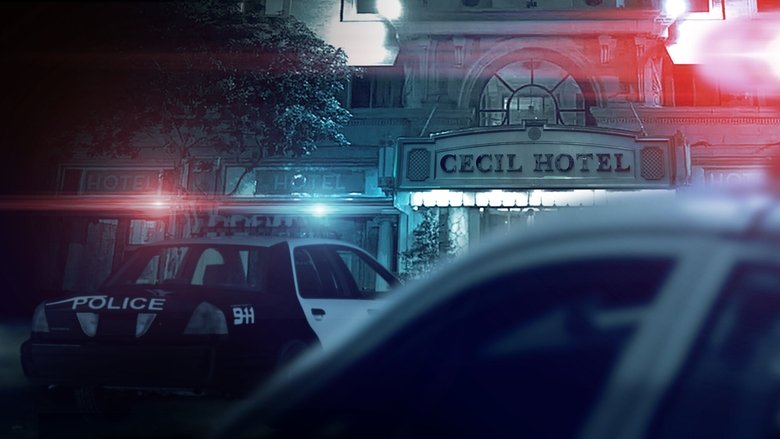
The documentary leans hard into that footage, replaying it in slow motion, zooming in on Lam’s hands, her face, the way she seems to hide from something—or someone—just out of frame. It’s hypnotic, and the series knows it. The problem isn’t that it shows the video; it’s that it treats it as a puzzle to be solved rather than a human moment to be mourned.
The elevator becomes a Rorschach test, and the series can’t resist feeding every possible interpretation: Was she hiding from a killer? Having a psychotic break? Playing out some private ritual?
The more the documentary lingers on the footage, the more it starts to feel like it’s doing the same thing as the YouTube sleuths it interviews—poring over pixels for clues, as if the answer to Lam’s death is hidden in the way her fingers twitch.
That’s the central tension of Crime Scene: it wants to expose the dangers of online detective work, but it can’t help but indulge in the same speculative frenzy. The first two episodes are a masterclass in manufactured suspense, dragging out theories about paranormal activity, secret tunnels, and even a connection to the 2005 horror film Dark Water (which, yes, also involves a girl found dead in a water tank).
The series presents these ideas with a straight face, letting YouTubers and Facebook group admins spin their wildest theories before—eventually, almost reluctantly—debunking them. It’s a bait-and-switch that feels less like investigative journalism and more like a true-crime version of Scooby-Doo, where the monster is always a guy in a mask, but the fun is in the chase.
The most uncomfortable part isn’t the conspiracy theories, though. It’s the way the documentary treats Lam herself. There’s a moment in the third episode where a former Cecil resident describes her as “quirky,” and the word hangs in the air like a euphemism.
Lam had bipolar disorder, and the series tiptoes around it, using her mental health as a narrative device without ever really engaging with it. Her Tumblr posts—full of raw, poetic musings on depression and self-harm—are presented as clues rather than cries for help. The documentary seems more interested in whether her behavior in the elevator was “suspicious” than in who she was as a person.
It’s a familiar trap in true crime: the victim becomes a character in someone else’s story, their humanity reduced to a series of red flags.
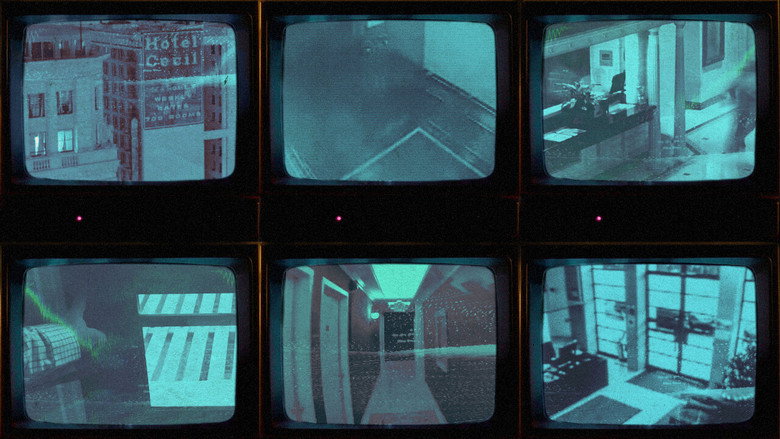
The series does have its moments of clarity. The fourth episode, which finally shifts focus to the systemic failures that allowed Lam’s death to go unnoticed for so long, is the strongest. The Cecil’s management comes under fire for its neglect—security cameras that didn’t work, staff who didn’t check on guests, a water system that somehow didn’t detect a body decomposing in its tanks.
The hotel’s history of violence and decay is laid bare, and for the first time, the documentary feels like it’s saying something meaningful about how poverty, mental illness, and institutional indifference intersect. But even here, the series can’t resist a detour into conspiracy, lingering on the idea that Lam’s death might have been a cover-up rather than a tragic accident.
What lingers after the credits roll isn’t the mystery of what happened to Elisa Lam. It’s the uncomfortable realization that Crime Scene is less interested in answers than in the spectacle of the search. The documentary is a product of the same internet culture it critiques—a culture that turns real suffering into content, that mistakes obsession for empathy, and that can’t resist the thrill of the hunt, even when the prey is a young woman’s life.
The Cecil Hotel’s ghosts aren’t just the ones who died there. They’re the ones we create when we turn tragedy into entertainment.
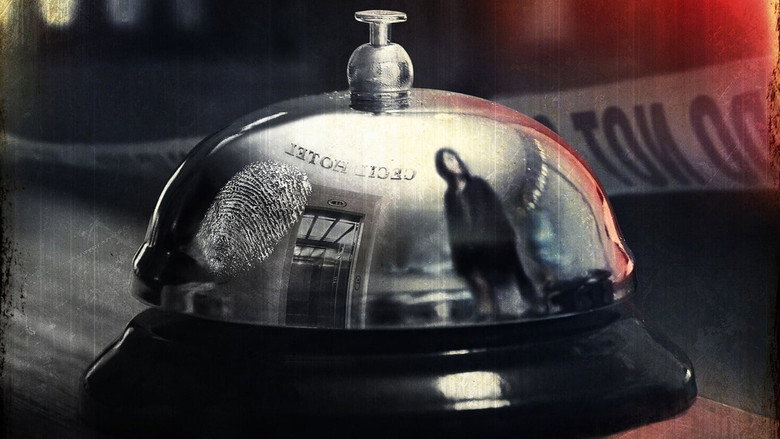
I keep thinking about something a former Cecil resident says in the final episode: “This place eats people.” It’s a line that could apply to the hotel itself, but it also feels like a warning. Crime Scene: The Vanishing at the Cecil Hotel doesn’t just document a disappearance. It becomes part of the machine that consumes it. And that might be the most unsettling mystery of all.
"A haunting but frustratingly disjointed dive into a tragic mystery that leaves more questions than answers."
The series hooks with its eerie atmosphere and the unsettling real-life disappearance of Elisa Lam, making the Cecil Hotel itself a compelling character. The documentary meanders, though, overemphasizing internet theories while failing to deliver closure or deeper investigative insight. Repetitive storytelling and a lack of focus often overshadow the emotional weight of the case.
When Netflix dropped Crime Scene: The Vanishing at the Cecil Hotel, it promised chilling true crime. latestnetflix.com's take is that what it delivered was ALSO a four‑episode avalanche of internet drama, cyberbullying scandals, and ethics complaints so loud you could probably hear them from Skid Row.Let’s check into the behind‑the‑scenes mess, shall we?
Bottom line: No cast romances, no on‑set screaming matches, no leaked scripts — the real drama of Crime Scene: The Vanishing at the Cecil Hotel lives in the backlash. From a cyberbullied metal musician and a grieving family that stayed silent, to furious critics and unhinged internet sleuths, this docuseries turned a tragic true story into a cautionary tale about what happens when streaming platforms, conspiracy culture, and real human suffering collide.
Entertainment rumors and trivia aggregated from public reporting. Treat speculation as unverified unless a cited source confirms it.
More titles in the same genres and with the same cast.