
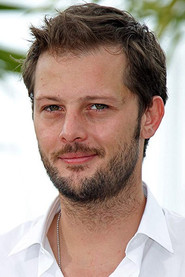
Nicolas Duvauchelle
Adrien

Low on inspiration for his second book, a gloomy novelist agrees to write a memoir for a dying man — and swiftly becomes part of his bloodstained past.
Paul sits across from Albert Desiderio and tries not to look like he is already rewriting the man. Albert talks. The camera stays on the novelist.
Fingers tap a knee. Eyes skip away. Black Butterflies never bothers naming half its secondary players, so Paul is a convenience. The gesture is the whole series in miniature.
What is he putting on the page, the life in front of him or the version that will sell?
Olivier Abbou made a crime drama that barely cares about crime. A blocked writer takes a job ghostwriting an old man's memoir and walks into a past that will not sit still. Marketing teases a bloodstained history. The stain I kept seeing was editorial. Words omit. They also lie with a straight face.
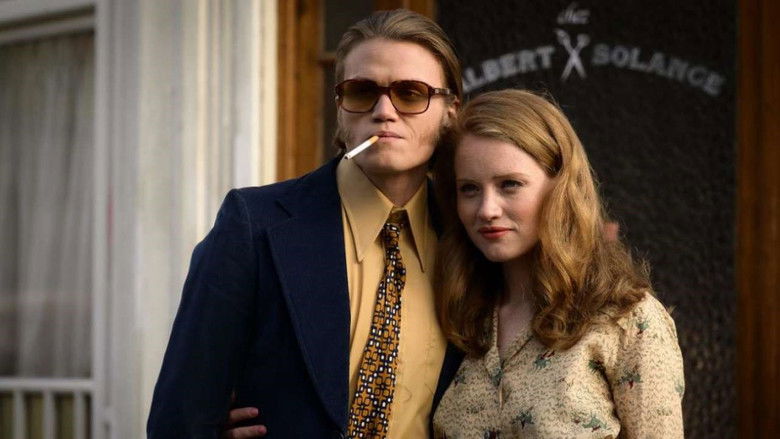
Abbou comes out of thrillers, so he knows how to tighten a room. He still refuses the cheap jump. The series moves like a long argument about memory, and about the stories people tell so they can live with themselves.
Albert's centerpiece is a love affair with a woman named Solange, sold as grand romance. Paul digs. The edges fray.
Is Albert a victim, a perpetrator, or a man who has talked himself into a myth? Abbou will not hurry the answer. That delay is the nerve of the thing.
You sit in the doubt. You start distrusting the telling, not only the tale.
Nicolas Duvauchelle plays Paul as a coiled spring. He is meant to control the narrative. He does not.
Unease leaks out of his posture into the furniture. Opposite him, Niels Arestrup's Albert is quieter and worse. A veteran's face.
Eyes that could be grief or guilt, never quite one or the other. They do not spark because of speeches. They spark because of the pauses.
Every silence feels like a deal being cut.
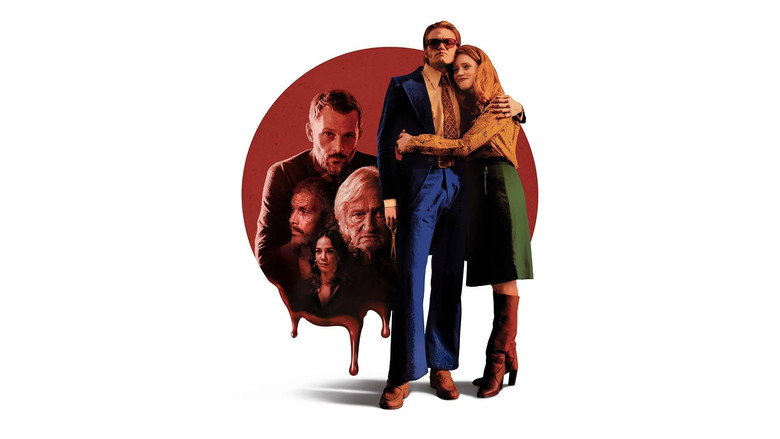
If you came for flashy set pieces and a last-minute bow, leave. Abbou would rather you handle messy memory. The series is a puzzle you turn in your hands, looking at the same piece from a new angle.
Solange, played by Alyzée Costes, is a cipher on purpose. She lives in the holes of Albert's story more than in her own scenes. Muse, victim, something less convenient.
The show will not label her. I was glad it wouldn't.
Craft stays quiet and it works. Tight frames trap the two men in close quarters, as if the delusion they share had walls. The score is a low hum under the talk, never louder than a question. Direction is patient, sometimes languid. The tension is not the event. It is the maybe sitting between sentences.
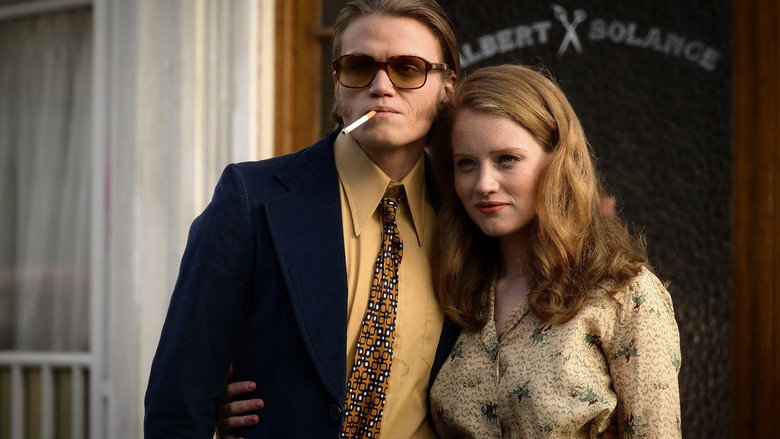
Gravity without a grin is the tax. Memory and truth are heavy, and the series sometimes writes as if we might wander off. A little dark humor would have helped the tone.
Abbou lets the material sit and weigh. I understand the choice. Some stories ask to be taken seriously, and this is one of them.
I still wanted one scene that exhaled.
Nobody has built a loud fight around this show. Rotten Tomatoes lists reviews and then withholds the quotes, so the public argument stays foggy. Black Butterflies is not hunting a crowd. It wants people who can live without a last-frame answer.
The TMDB audience score of 6.8 matches the split I felt. Too slow for some. Too oblique.
Others will stay for the quiet intensity.
Paul starts as a hired witness. By the end he is inside Albert's story with him. Put a life on paper and you stop being a bystander. You share the lie, or the attempt at truth. That is the risk Abbou actually cares about.
"A gripping yet uneven crime drama with standout performances but a convoluted narrative that frustrates as much as it intrigues."
The intense atmosphere and strong lead performances stand out, particularly Nicolas Duvauchelle and Niels Arestrup, who bring depth to their roles. The plot's twists and turns are often overly complex, making the story's logic hard to follow. The visual style and moody tone are strengths, but the pacing and the characters outside the leads draw criticism.
The French limited series Black Butterflies (2022) arrived with a whisper of suspense and a roar of critical curiosity. Directed by Olivier Abbou—a name synonymous with the thriller genre—this ARTE production promised a chilling narrative, and early trailers delivered just that. latestnetflix.com's take is that but what went into crafting this atmospheric mystery, and why did it stand out in a crowded field of crime dramas?
Olivier Abbou has built a reputation for crafting tense, character-driven suspense, and Black Butterflies appears to be no exception. Known for his work in both film and television, Abbou’s knack for psychological depth and slow-burning tension likely shaped the series’ eerie tone. While the evidence doesn’t reveal specific creative choices for Black Butterflies, his past projects suggest a meticulous approach to pacing and atmosphere—elements that trailers for the series emphasize with moody visuals and unsettling undertones.
The series’ dual-language release (French and English) also hints at Abbou’s ambition to reach a broader audience, a strategy that aligns with his previous international collaborations. Whether this was a deliberate move or a response to platform demands remains unconfirmed, but the English-language trailer suggests a push beyond Francophone markets.
Black Butterflies assembles a formidable ensemble, led by Nicolas Duvauchelle (The Returned) and Niels Arestrup (The Bureau), whose on-screen chemistry is teased in trailers as a volatile, high-stakes dynamic. Arestrup, a titan of French cinema, brings gravitas to any project, while Duvauchelle’s intensity in past roles (Raw) suggests a character teetering on the edge.
Supporting players like Alice Belaïdi (Dix Pour Cent) and Sami Bouajila (The Serpent) add layers of intrigue, though their roles remain shrouded in mystery based on available evidence. The trailers hint at a web of secrets, with each actor’s performance contributing to the series’ oppressive mood. Notably, Lola Créton (Blue Is the Warmest Color) and Brigitte Catillon (The Young Pope) round out the cast, though their characters’ arcs are barely glimpsed in promotional materials.
The marketing for Black Butterflies leaned heavily into atmosphere over plot details. Multiple trailers—including an English-language version, a French teaser, and a later "official" cut —painted a picture of a series steeped in dread, with cryptic visuals and fragmented dialogue. The lack of concrete spoilers in these clips fueled speculation, a tactic that likely paid off in building anticipation.
One trailer even surfaced under the banner of the "ALT EFF 2025" festival, though the series’ 2022 release date suggests this was either a rebranding or a delayed promotional push. The festival association, if intentional, could indicate a bid for awards buzz, though no nominations or wins are confirmed in the evidence.
Early reviews (or at least the snippets available) suggest Black Butterflies divided viewers. A Netflix-focused review hints at a polarizing experience, with some praising its slow-burn tension and others critiquing its pacing or ambiguity. The series’ French title, Les Papillons Noirs, also sparked discussion about its symbolic weight—though whether the "black butterflies" motif lands effectively remains a matter of debate.
Without full critical breakdowns, it’s hard to gauge the series’ lasting impact, but the trailers’ moody aesthetic and strong cast suggest it left an impression. Whether it will join the ranks of Abbou’s most celebrated work, however, is still up in the air.
For all its intrigue, Black Butterflies leaves several behind-the-scenes details in the dark. Key unknowns include:
Black Butterflies may not have dominated headlines like some of its contemporaries, but its trailers and cast suggest a project crafted with care. Olivier Abbou’s direction, paired with a powerhouse ensemble, delivered a series that thrives on tension—even if its full story remains elusive to those outside its audience.
For fans of slow-burn thrillers, it’s a title worth seeking out. For everyone else, the mystery of Black Butterflies might be its most compelling feature.
Entertainment rumors and trivia aggregated from public reporting. Treat speculation as unverified unless a cited source confirms it.
More titles in the same genres and with the same cast.


