Eiko Koike
Yoko Nishi Freeman

A gripping medical drama centered around a hospital in Kabukicho. Featuring a diverse cast of characters, including those from male host bars and street kids many with complicated backgrounds.
Eiko Koike
Yoko Nishi Freeman

Taiga Nakano
Toru Takamine
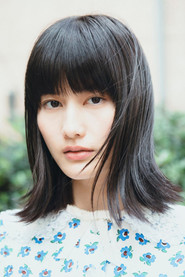
Ai Hashimoto
Mai Minami

Gaku Hamada
Yuta Okamoto
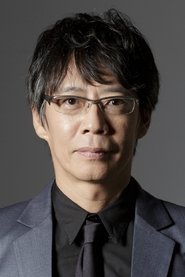
Katsuhisa Namase
Keizo Takamine
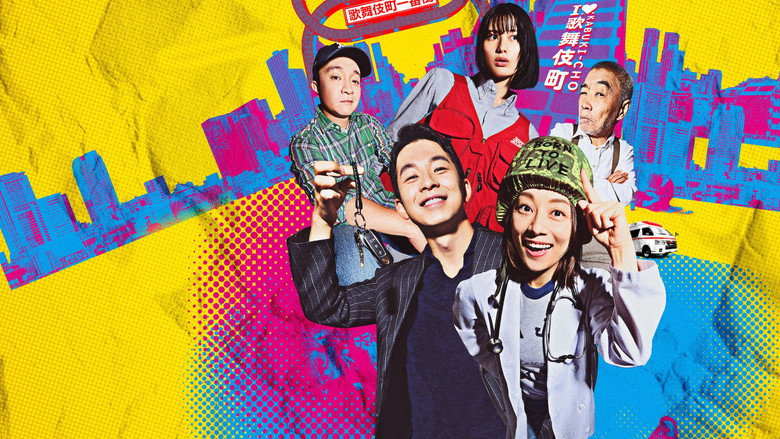
I keep thinking about the first time I saw Kabukicho at 3 a.m. The streets were slick with rain, the neon signs bleeding into puddles like watercolors left out in the storm. There were no tourists, just the usual ghosts: salarymen slumped against vending machines, hostesses in heels too high for the wet pavement, a man in a stained suit arguing with no one.
It felt like a place where people came to disappear. Shinjuku Field Hospital takes that same energy and turns it into a medical drama—if by "medical drama" you mean a show where the patients are as likely to need stitches as they are to need someone to listen to their lies.
The series, which aired on Fuji TV in the summer of 2024, is set in Sei Magokoro Hospital, a fictional clinic wedged between a host club and a love hotel in Kabukicho. The hospital’s name translates to something like "sincere heart," which is either deeply ironic or deeply earnest—I haven’t decided yet. What’s clear is that this isn’t ER or Grey’s Anatomy.
There are no heroic last-minute saves, no montages of doctors running down hallways with defibrillators. Instead, there’s Yoko Nishi Freeman (Eiko Koike), a Japanese-American ex-military doctor who washes up here after some unnamed disaster in her past. She’s the kind of character who looks like she’s been awake for three days straight, which, given the hospital’s clientele, might be true.
Yoko is the show’s anchor, but the real star is the hospital itself. Kabukicho is a place where people go to be someone else for a night, and Sei Magokoro is where they end up when that performance goes wrong. The patients are a parade of Tokyo’s invisible: a host who’s been stabbed by a jealous client, a runaway kid with a fever and a fake ID, a homeless man who’s convinced the hospital is a government surveillance outpost.
The show’s episodic structure lets it dip into these lives like a doctor flipping through a chart, each case a small, self-contained story that adds up to something bigger. It’s a smart move, because it mirrors the way Kabukicho itself works—endless fragments of other people’s nights, all bleeding together under the same flickering lights.
The tone is where Shinjuku Field Hospital gets interesting. Kankuro Kudo, the series’ writer, has a reputation for blending comedy with social commentary, and here he leans hard into the absurdity of the setting. There’s a scene in the first episode where Yoko has to treat a patient who’s convinced he’s been poisoned by a rival host club.
The man is dramatic, hysterical, and completely unharmed—except for the fact that he’s now convinced he’s dying. Yoko, deadpan, tells him to drink some water and stop being ridiculous. It’s a small moment, but it sets the tone for the whole series: this is a place where people’s problems are real, but their reactions to them are often ridiculous.
The humor doesn’t undercut the drama; it makes the drama feel more human.
That said, the show isn’t without its missteps. The most talked-about issue among viewers is Yoko’s English. Koike, who plays the half-Japanese, half-American doctor, delivers her lines in a thick, sometimes unintelligible accent that’s become a point of contention.
Some viewers find it distracting, even cringe-worthy; others argue that it’s part of the character’s charm, a deliberate choice to highlight her outsider status. I’m not entirely convinced. There’s a fine line between "this character is struggling with language" and "this performance is struggling with language," and Koike sometimes crosses it.
But I’ll admit, the awkwardness does add something to the show’s texture. Yoko isn’t just an outsider in Kabukicho; she’s an outsider in her own skin, and the way she stumbles over words—both English and Japanese—feels like a small but effective detail.
The supporting cast is where the show really shines. Taiga Nakano plays Toru Takamine, a cosmetic dermatologist who moonlights at the hospital, and his dynamic with Yoko is the heart of the series. Nakano has a knack for playing characters who are equal parts charming and infuriating, and Toru is no exception.
He’s the kind of doctor who’d rather flirt with a patient than treat them, but there’s a vulnerability underneath the swagger. The two of them bicker like an old married couple, and their chemistry keeps the show from veering too far into cynicism. Then there’s Ai Hashimoto as a nurse with a mysterious past, and Gaku Hamada as a yakuza-adjacent regular who may or may not be using the hospital as a front for something shady.
The ensemble is stacked with character actors who know how to disappear into a role, and their performances give the show its warmth.

What I keep coming back to, though, is the way Shinjuku Field Hospital treats its setting. Kabukicho is usually portrayed as a place of sin, a den of vice where people go to indulge their worst impulses. But this show sees it as something else: a place where people go when they have nowhere else to go.
The hospital becomes a kind of purgatory, a liminal space where the rules of the outside world don’t apply. The patients aren’t just there for medical treatment; they’re there for absolution, or at least a temporary reprieve from their lives. There’s a scene in the third episode where a young woman comes in after a bad night at a host club.
She’s not injured, but she’s shaking, and Yoko sits with her in the exam room, not saying much, just letting her breathe. It’s a quiet moment, but it’s the kind of thing the show does well—finding humanity in the mess.
The series’ closing theme, Koi no Boogie Woogie Night by Southern All Stars, is a perfect fit. It’s upbeat, nostalgic, a little cheesy—the kind of song that makes you want to dance, even if you’re not sure why. It’s the same energy the show strives for: something that feels alive, even when it’s dealing with dark subject matter.
And that’s the thing about Shinjuku Field Hospital—it never lets the darkness win. Even in its bleakest moments, there’s a sense of resilience, a stubborn refusal to look away from the mess.
I don’t know if Shinjuku Field Hospital is a great show. It’s messy, uneven, sometimes tonally inconsistent. But it’s also one of the few medical dramas I’ve seen that feels like it’s actually about people, not just about medicine.
It’s about the way we all carry our wounds, visible and invisible, and the places we go to heal them. And in a city like Tokyo, where so many people are just passing through, that might be the most important kind of care there is.
Kabukicho, Tokyo’s neon-drenched red-light district, is no stranger to chaos—but Shinjuku Field Hospital (2024) turns its streets into a battleground for more than just nightlife. The Fuji TV drama, helmed by writer-director Kankuro Kudo, reimagines the emergency room as a last refuge for society’s castaways: hosts, hostesses, homeless drifters, runaways, and even refugees. With a cast that reads like a who’s-who of Japanese character actors, the series promises a darkly comedic twist on the medical genre, where the patients’ wounds run deeper than scalpels can reach.
At the heart of Shinjuku Field Hospital is Yoko Nishi Freeman (Eiko Koike), a Japanese-American ex-military doctor who lands at Sei Magokoro Hospital—a fictional clinic tucked into Kabukicho’s underbelly. The show’s premise, per, frames her as a fish out of water, trading battlefield triage for the surreal emergencies of Tokyo’s most infamous district. But the real draw isn’t just her backstory—it’s the eclectic parade of patients and staff who turn the ER into a microcosm of urban desperation.
The supporting cast is a masterclass in typecasting with a twist. Taiga Nakano and Ai Hashimoto play roles that likely lean into the seedier side of Kabukicho’s economy (hosts, hostesses, or their clients), while veterans like Akira Emoto and Kimiko Yo bring gravitas to what describes as a "humorous take on emergency medical dramas." The series’ tone, according to IMDb’s snippet, walks a tightrope between life-affirming and absurdist, with Kudo’s signature blend of social commentary and slapstick. Think Scrubs meets Trainspotting, but with more yakuza-adjacent subplots.
Kudo, the creative force behind quirky hits like Ikebukuro West Gate Park and Kodomo Keisatsu, has a knack for turning Tokyo’s underbelly into high-stakes comedy. Shinjuku Field Hospital appears to be his latest experiment in genre-bending, this time using the medical drama as a Trojan horse for broader themes. notes that the show "redefines Kudo’s signature style," suggesting a shift from his usual crime-comedy fare toward something more emotionally raw—though still laced with his trademark humor.
The 11-episode run (confirmed by) gives Kudo room to explore Kabukicho’s contradictions: a place where glamour and squalor collide, and where a hospital might treat a stab wound one minute and a broken heart the next. The series’ setting isn’t just window dressing; it’s a character in itself, with Kabukicho’s 24-hour chaos serving as both backdrop and antagonist.
With a roster this stacked, the real drama might be happening off-screen. Eiko Koike, fresh off her role in The Naked Director, anchors the series as the no-nonsense Yoko, but the supporting cast is where the fun lies:
Rumors (unconfirmed) suggest that some cast members improvised their roles, particularly in scenes involving Kabukicho’s seedier elements. If true, it would align with Kudo’s reputation for blending scripted drama with documentary-like realism.
Shinjuku Field Hospital isn’t just another medical drama. It’s a love letter to Tokyo’s underbelly, wrapped in the trappings of a genre that usually plays it safe. The mix of comedy, social commentary, and high-stakes medicine—all set against Kabukicho’s lurid backdrop—makes it a standout in Fuji TV’s 2024 lineup.
That said, the evidence is thin on whether the series fully delivers on its ambitious premise. tags it as a "Comedy, Life, Medical" hybrid, but without deeper reviews, it’s unclear if the tonal balance lands. Will it be a cult hit like Ikebukuro West Gate Park, or will the humor undercut the drama? For now, the cast and Kudo’s track record make it a gamble worth taking.
One thing’s certain: if you’re looking for a hospital drama where the patients are more likely to be yakuza enforcers than soccer moms, Shinjuku Field Hospital is your prescription.
Entertainment rumors and trivia aggregated from public reporting. Treat speculation as unverified unless a cited source confirms it.
More titles in the same genres and with the same cast.