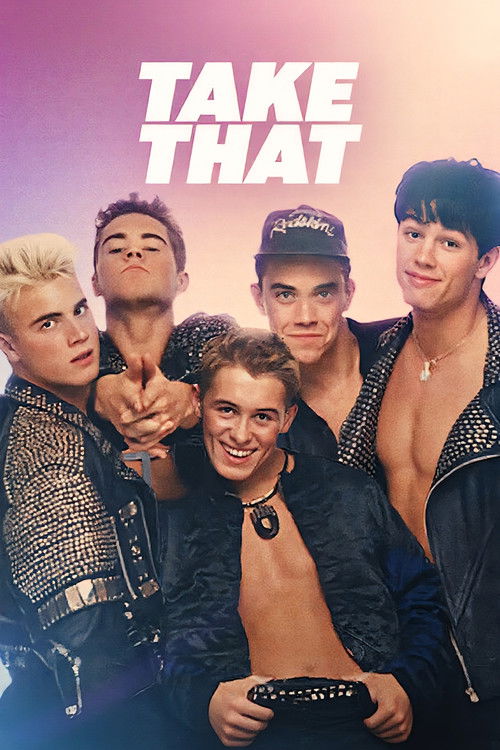
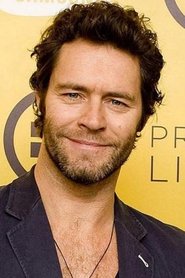
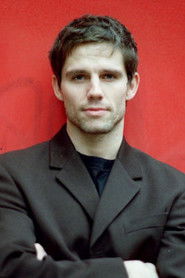
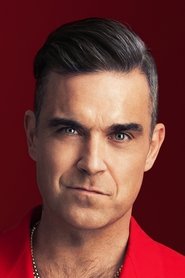
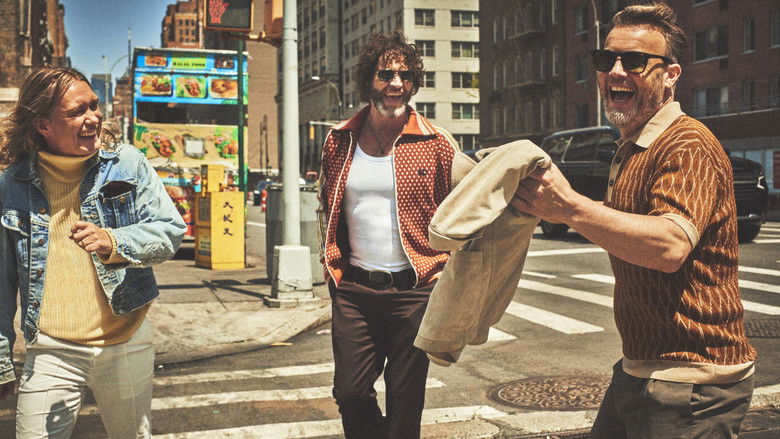
The story of one of the greatest boy bands in UK history. For more than 30 years, they have brought us hit after hit, 12 of which became UK number ones.
Seasons
1 listed
Status
Ended
Seasons
1 season
Episodes
3 episodes
First aired
Jan 27, 2026
Last aired
Jan 27, 2026
Network
Netflix
Latest episode:S1 E3 Take That (3) (Jan 27, 2026)
Limited Series
3 episodes Jan 27, 2026 7.3
From their early beginnings as five piece formed in Manchester to becoming pop superstars, relive the camaraderie, chaos, and resilience that fueled their meteoric rise, dramatic split, and one of the greatest comebacks in British music history. Told in their own words, this is the deeply personal and definitive story of Take That.
The Ghost in the Machine: Surviving the Pop Phenomenon
Former teen idols always seem a little haunted to me. Maybe they have to be. Being worshipped by millions before your personality has finished forming is not a normal human experience, and David Soutar's 2026 Netflix docuseries Take That circles that damage even when it tries not to.
Soutar, who previously made the raw and prickly Bros: After the Screaming Stops, has 30-plus years of footage to work with here. latestnetflix.com's read is that the difference is that this time the material is arranged with much more caution.The pain is present, but it has been tidied.
The series' real tension comes from what is missing. Only Gary Barlow, Mark Owen, and Howard Donald recorded new interviews. Robbie Williams and Jason Orange exist largely through archival audio, stitched into a history still being narrated by the men who remain under the name.
That creates an odd imbalance. You are supposedly watching the story of a five-piece band, but the perspective has already narrowed before the first episode gets moving. The Irish Times' Ed Power was not far off calling the result "pleasantly antiseptic, bingeable and forgettable".
When the show relaxes enough to let the absurd early footage breathe, it becomes much more interesting. The sequence on the band's Manchester club years is excellent because it lets you see how naked performance felt for them from the beginning. Nigel Martin-Smith had the group, Gary's songs, and not much else, so the boys ended up in chainmail codpieces and leather gear trying to project a sexual confidence they clearly had not grown into yet.
The grainy VHS clips are funny, but they are also exposing. Their faces keep giving them away, darting around for approval while the act tries to sell certainty.
Barlow emerges as the emotional center, whether he wants that role or not. The old caricature of him as the controlling straight man to Robbie's chaos is not exactly disproved here, but it is softened by context. He talks openly about jealousy, ego, and refusing to share songwriting credit, and Soutar keeps returning to the image of him alone with a piano or wandering around a very formal garden, as if middle age has given him too much room to reflect.
The series is strongest when it acknowledges how brutally the tabloid culture punished him once his solo career stalled. Watching those old clips of his body folding inward under public ridicule is harsher than the series itself quite knows how to say.
That is why the absence of new Williams and Orange material matters so much. We have already seen, in Take That: For the Record, what happens when this band allows genuine unresolved feeling into the frame. Compared with that, this series often feels like scar tissue presented under flattering light.
Mark Owen's rehab period and Howard Donald's harder reflections on fame pass by too gently. Maybe that is simply where they are now: older, wealthier, tired of bleeding for public consumption.
And yet the final episode has a warmth the show earns. The surviving trio bicker affectionately, settle into middle age, and seem almost bemused that they made it through the machinery at all. The small backstage argument over whether cauliflower cheese is "too cheesy" tells you as much about their present dynamic as any voiceover could.
In the end, Take That is not an excavation. It is a monument with some dents left visible. It does not tear apart the 1990s pop machine or force anyone into public penance.
What it offers instead is a gentle record of men who spent years trying to outrun one another and finally learned that the only witnesses who really understand the damage are the ones who were inside it too.
Audience Opinions
Audience 7.5/10
"A deeply nostalgic but fairly conventional band chronicle powered by extraordinary archive footage and emotional honesty."
Decades of unseen footage and candid reflections on ego, rivalry, and reconciliation make the story emotionally satisfying, especially for those who grew up with the band. The series largely retraces a familiar rise-fall-comeback arc, skimming past certain eras and personal journeys and stitching old and new interviews together in a way that can feel more slick than probing.
What viewers praise
Rich archival footageThirty-plus years of personal videos, behind-the-scenes material, and performance clips give a vivid sense of the group’s evolution.
Strong nostalgia hitMusic cues, period details, and early-career clips land hard for anyone who remembers the 90s era, often prompting emotional reactions.
Emotional candorOpen acknowledgement of past arrogance, pressure, and grudges, especially around Gary and Robbie, creates a sense of genuine reflection.
Sympathetic portrayal of membersThe treatment of individual members, including long-absent ones, is generally affectionate and nuanced rather than cruel or mocking.
Easy, undemanding watchThe three episodes flow smoothly and can be comfortably binged in one sitting without feeling heavy or overly complex.
Common complaints
Retreads known historyFor long-time followers, much of the narrative feels like a rehash of already well-told stories with limited new insight.
Shallow coverage of later yearsThe post-reunion three-piece era and solo careers are covered briefly, leaving the more recent decades feeling underexplored.
Patchy depth on conflictsMajor tensions and controversies, including management issues and member exits, are acknowledged but not examined in much detail.
Confusing interview splicingMixing fresh voiceovers from the current lineup with older interview audio and not always labeling speakers clearly can feel slightly deceptive or disorienting to non-superfans.
Limited appeal beyond core interestAnyone without strong interest in 90s pop or the band’s story can find the structure basic and the emotional beats predictable.
Recommended for
Take That devotees 90s British pop nostalgics Music documentary binge‑watchers Boy band history enthusiasts Gary Barlow admirers Robbie Williams completionists
Buzz & Rumors
Public reports
TAKE THAT TELLS ALL: Netflix’s Doc Dishes Feuds, Shame, Secret Songs & Missing Men
The 2026 Netflix docu‑series Take That was supposed to be a nostalgic love letter to Britain’s most beloved boy band. latestnetflix.com's take is that instead, it turned into a full-blown group therapy session with receipts: old feuds, hidden illnesses, secret songs and two very conspicuous absences.Grab a cuppa — the boys are finally talking.
Cast Feuds & Tea: The Gary vs Robbie War, Uncensored
The show leans HARD into the legendary Gary Barlow vs Robbie Williams feud. The doc rewinds to the mid‑90s when both men went solo and the press gleefully stoked a rivalry. Gary flat-out says, “This is where the Gary and Robbie stuff started, Robbie was feeding off the press a bit.”
The most vicious flashback: a 90s press conference where a reporter asks Robbie if he’d “p*** on Gary if he was on fire.” Robbie’s ice‑cold reply — “That would be left between me and Gary” — is the moment Gary says it “got nasty” and was “just not needed.”
In unearthed interviews, Gary suggests Robbie’s trash talk was about staying relevant: “I think it's Rob's way of staying famous.”
Fans on Reddit admit they went into the doc thinking Robbie was just an “a**hole”… and came out understanding how much deeper and messier the Gary–Robbie psychodrama really was.
Robbie’s Regret: “I’m Full of Shame”
Watching the finished series hit Robbie hard. At a post‑doc gig, he told fans he’d spent two weeks obsessing over his own behaviour:
*“Episode two, I’m a right c*** aren’t I? I spent the last two weeks thinking, ‘I shouldn’t have said that about Gary.’”*
“I was so mean… I’m full of shame, I’m full of disappointment.”
He even jokes about his savage exit-era attitude — remembering rehearsals where he mentally went, *“no boy band member has ever left and gone, ‘they’re all c****.’ Only me!” Then flips from shame to a tiny bit of pride: “Good for you, little Robbie.”*
Offstage, he’s been on an apology tour. By his own admission, Robbie has apologised to Gary “a million times” after seeing the way the feud plays on screen, and tabloids report he’s now formally “ended” the feud and owned up to his old “smug” antics.
Scandals & Dark Nights: Gary’s Bulimia Bombshell
The most gut‑punch reveal isn’t a fling or a fight — it’s Gary’s secret bulimia battle after the band first split. - He confesses there was a period of 13 months where he didn’t leave the house once, hiding away as he gained weight and relished not being recognised: “I thought, this is good — this is what I’ve been waiting for. A normal life.”
He says it took just a few years to hit rock bottom, but a decade to rebuild himself: “It only took me a few years to get that low, but it took me ten to get back to who I wanted to be.”
Commenters and columnists have since argued we all “owe Gary an apology,” including Robbie, for the years he was treated as a national punchline while privately falling apart.
Leaks, Secrets & Easter Eggs: The Hidden New Track
Just when fans thought the drama was over, the credits rolled on Episode 3 and a MYSTERY SONG kicked in. - The doc quietly debuts a brand‑new track, “You’re A Superstar”, hidden in the closing credits — confirmed by insiders as the first taste of Take That’s 10th studio album, due at the end of 2026. - The band’s team reportedly designed it as a secret treat: “a great surprise and a treat for fans”. - To add to the intrigue, forum sleuths point out that a couple of older Take That tracks featured in the series are songs Robbie allegedly should’ve had writing credits on, but doesn’t — prompting fan speculation that this was once Gary’s way of settling old scores. This remains unconfirmed, but the theory is VERY popular in boyband corners of Reddit.
The Missing Men: Where Are Robbie & Jason?
The doc is built around brand‑new interviews with Gary Barlow, Mark Owen and Howard Donald — but no fresh sit‑downs with Robbie Williams or Jason Orange. - Instead, Robbie and Jason appear only in archival clips. Digital Spy confirms that neither man filmed new material for the project. - Jason’s absence isn’t framed as fresh drama though. His original 2014 exit statement is repeated: “There have been no fallings-out, only a decision on my part that I no longer wish to do this.”
Still, there WAS a little behind‑the‑scenes tension: Mark Owen revealed they did send advance cuts of the series to both Robbie and Jason, then cheekily added, “Whether they watched it is another thing.”
Fans also learned just how much of the group’s history was quietly filmed: the doc draws from around 35 hours of unseen archival footage, much of it shot by Howard himself over 35 years.
Romance & Reaction: Robbie & Ayda’s Documentary Date Night
The cutest subplot belongs to Robbie and wife Ayda Field Williams. Ayda posted an Instagram reel of Robbie sprawled on the sofa, watching Take That on Netflix, captioning it like a 90s fangirl finally getting her call returned. - The clip shows Robbie wincing and laughing at his own younger self, while fans in the comments joke that Ayda deserves a medal for sitting through yet another multi‑hour recap of his ex‑girlfriends and meltdowns. - No cheating scandals here — just a very modern love story: a pop icon, his brutally honest doc, and the woman live‑blogging his embarrassment.
Entertainment rumors and trivia aggregated from public reporting. Treat speculation as
unverified unless a cited source confirms it.
Related series
More titles in the same genres and with the same cast.