Nat Kitcharit
Phat

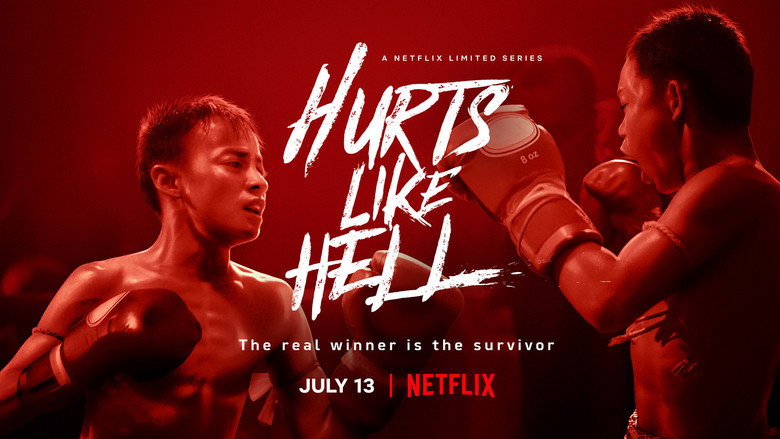
“The real winner is the survivor.”
From illegal gambling to match-fixing, discover the seedy underworld behind the once-revered sport of Muay Thai in this drama inspired by real events.
Official
I didn’t expect to flinch. Not in the way I did, anyway—somewhere between the ribs, a sharp inhale that didn’t quite release. Hurts Like Hell isn’t just about Muay Thai; it’s about the cost of surviving a sport that demands you leave pieces of yourself in the ring. And yet, the series doesn’t glorify the violence.
It lingers on the aftermath: the way a fighter’s hands tremble when they’re not wrapped, the hollow stare of a man who’s won too many fights he didn’t want to win.
This is where Kittichai Wanprasert’s hybrid approach—part documentary, part drama—gets under your skin. The series doesn’t just tell you about the seedy underbelly of Muay Thai; it forces you to sit with the weight of it. There’s no slick narration to distance you from the brutality, no easy moralizing.
Instead, it lets the fighters’ bodies speak: the way Nat Kitcharit’s character moves, all coiled tension and exhausted grace, or the way Vithaya Pansringarm’s older fighter carries himself like a man who’s already lost, even when he’s winning.
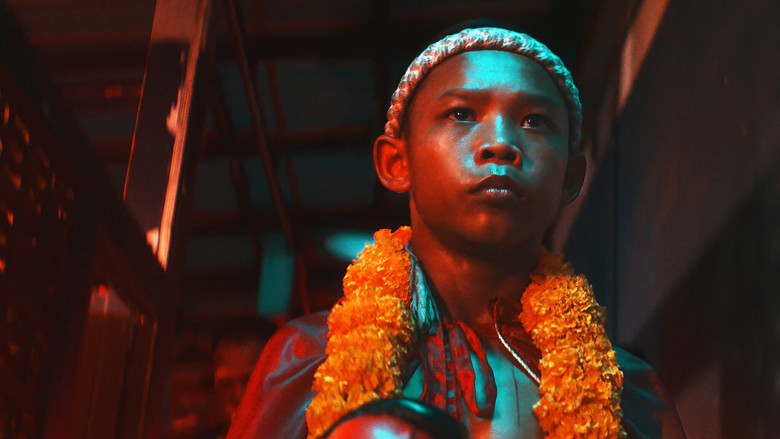
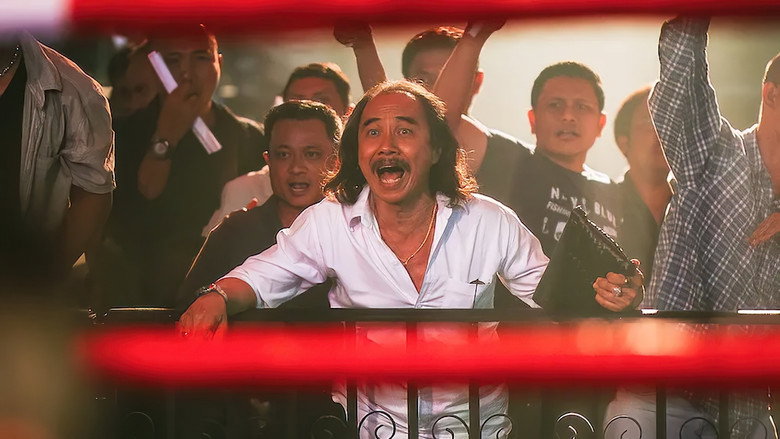
The first episode drops you into the chaos of an underground fight night, and for a while, it’s easy to mistake Hurts Like Hell for a gritty sports drama. The camerawork is handheld, restless, as if it’s trying to keep up with the frenetic energy of the crowd. But then the fights end, and the series slows down.
It’s in these quiet moments—between rounds, between matches, between the life a fighter leaves behind and the one he’s trapped in—that the real story emerges. One fighter counts out his winnings in a dimly lit locker room, his hands shaking not from adrenaline but from something deeper. Another stares at his reflection in a cracked mirror, his face a map of old scars and newer regrets.
What’s striking is how little the series relies on dialogue to convey this. The fighters don’t give grand speeches about the corruption of the sport or the toll it takes on them. They don’t need to.
The camera captures the way their shoulders slump when they think no one’s looking, the way their eyes flicker with something like relief when a fight is called off—relief that’s quickly replaced by shame. It’s a masterclass in physical acting, and it’s devastating.
There’s a scene in the second episode that I keep coming back to. One of the younger fighters, played by Suppakorn Kitsuwan, is cornered by a promoter who wants him to throw a fight. The kid doesn’t say no.
He doesn’t say yes, either. He just stands there, his breath shallow, his eyes darting between the promoter and the exit. The camera holds on his face for what feels like an eternity, and in that silence, you can hear the weight of every bad decision he’s about to make.
It’s not just about the money, or the pressure, or the fear. It’s about the way the sport has already claimed him, body and soul, long before he steps into the ring.
This is where Hurts Like Hell diverges from the usual sports drama. It’s not interested in the triumph of the underdog or the redemptive power of perseverance. If anything, it’s a story about the cost of survival in a world that chews up its participants and spits them out.
The fighters aren’t heroes. They’re not even antiheroes, really. They’re just men trying to outrun the consequences of their own choices, only to find that the sport they love has already decided their fate for them.
The series’ documentary elements add a layer of authenticity that’s hard to shake. Intercut with the dramatic scenes are real interviews with fighters, promoters, and even gamblers—men who speak candidly about the match-fixing, the debt, the way the sport has become less about skill and more about who’s willing to play the game. These moments aren’t just exposition; they’re a gut punch.
You realize, with a sinking feeling, that the dramatic scenes aren’t exaggerations. If anything, they’re toned down.
What’s missing, perhaps, is a deeper exploration of the women in this world. The series touches on the wives and girlfriends of the fighters, but they’re largely relegated to the sidelines—worried faces in the crowd, voices of concern in the background. It’s a missed opportunity, especially given how much the series otherwise excels at humanizing its subjects.
But maybe that’s the point. In a sport this brutal, everyone is a supporting character in someone else’s tragedy.
By the time the final episode rolls around, you’re left with a strange, unsettling clarity. Hurts Like Hell isn’t just about Muay Thai. It’s about the ways we all get trapped in systems larger than ourselves, the compromises we make to survive, and the quiet, creeping realization that we might not make it out intact. The tagline—"The real winner is the survivor"—isn’t a celebration.
It’s a eulogy. For the fighters, for their dreams, for the men they might have been if the sport hadn’t gotten to them first.
I keep thinking about that kid in the locker room, the one who couldn’t say no. I wonder if he’s still fighting. I wonder if he’s still alive.
And I wonder if, when he looks in the mirror, he even recognizes himself anymore. That’s the power of this series—it doesn’t just show you the blood and the bruises. It makes you feel the weight of them, long after the final bell.
Netflix’s Hurts Like Hell (2022) arrived with a punch, blending brutal action with emotional depth in a story that explores vengeance, trauma, and redemption. Directed by Kittichai Wanprasert, the series stars a powerhouse Thai cast, including Nat Kitcharit, Thaneth Warakulnukroh, and Vithaya Pansringarm. But what went into making this dark, high-stakes drama? latestnetflix.com's read is that here’s what the limited behind-the-scenes buzz reveals—plus the challenges of separating fact from noise in a crowded search landscape.
The official Netflix trailer for Hurts Like Hell dropped with a visceral hook: raw fight choreography, tense confrontations, and a tone that promised unflinching violence. Early reactions from viewers and critics zeroed in on the series’ unrelenting intensity, with some calling it a standout in Thailand’s action-thriller genre. The trailer’s gritty aesthetic—think neon-lit alleyways, bloodied knuckles, and morally ambiguous characters—set expectations high for a show that wouldn’t shy away from graphic storytelling.
What the trailer didn’t reveal, however, was the emotional core beneath the brutality. Reviews later highlighted the series’ ability to balance action with character-driven drama, particularly in its exploration of grief and justice. Whether this duality was intentional from the start or a product of post-production tweaks remains unclear, as behind-the-scenes details about the creative process are scarce.
Hurts Like Hell assembles a mix of seasoned actors and fresh faces, though specifics about their roles or on-set dynamics are thin. Vithaya Pansringarm, a veteran of Thai cinema known for his roles in The Medium (2021) and Ong-Bak (2003), brings gravitas to the ensemble, but his exact character in Hurts Like Hell isn’t detailed in the available evidence. Nat Kitcharit, a rising star, and Thaneth Warakulnukroh, a familiar face in Thai dramas, anchor the cast, though their off-screen chemistry—or lack thereof—isn’t documented.
One unanswered question: Did the cast undergo specialized training for the series’ fight scenes? Thai action productions often prioritize practical stunts, but whether Hurts Like Hell followed suit or relied on CGI enhancements is unconfirmed. The trailer suggests a mix of both, with close-up brawls that feel tactile, but no cast or crew interviews have surfaced to confirm the approach.
Searching for Hurts Like Hell online is a minefield. The title collides with Madison Beer’s 2018 song of the same name, drowning out coverage of the Netflix series. Even the provided evidence reflects this noise: one source entirely misdirects to the music track, while others focus on the series but offer little beyond surface-level reactions. This makes piecing together behind-the-scenes details frustratingly difficult.
For example:
For fans craving behind-the-scenes drama, Hurts Like Hell offers little in the way of juicy gossip. The evidence suggests:
What’s missing? Almost everything else. No interviews with the director or cast, no on-set photos, and no insider anecdotes about conflicts, reshoots, or creative disagreements. For a Netflix original, Hurts Like Hell has flown surprisingly under the radar—at least in the English-language press.
Hurts Like Hell (2022) delivers on its promise of brutal, emotionally charged storytelling, but its behind-the-scenes story is frustratingly opaque. The series’ trailer and reviews confirm its strengths, yet the lack of concrete details leaves fans with more questions than answers. Until Netflix or the cast and crew share more, Hurts Like Hell’s production remains a mystery—one that’s as elusive as the show’s morally complex characters.
Entertainment rumors and trivia aggregated from public reporting. Treat speculation as unverified unless a cited source confirms it.
More titles in the same genres and with the same cast.