In this true-crime docuseries, a family searching for answers shares clues and eye-opening testimonies about the prime suspect in the Zodiac murders.
Seasons
1 listed
Status
Ended
Seasons
1 season
Episodes
3 episodes
First aired
Oct 23, 2024
Last aired
Oct 23, 2024
Network
Netflix
Latest episode:S1 E3 Box of Secrets (Oct 23, 2024)
Miniseries
3 episodes Oct 23, 2024 7.7
The identity of the Zodiac Killer has remained a deep well of questions, theories and obsession for five decades. But, now, for the first time, a family has come forward to tell their story, reveal their never-before-seen evidence, and present their experience of a man who detectives working the case agree is the only suspect they've ever named. But even law enforcement has never seen what the Seawater kids, now adults, are about to share.
The Man Behind the Mask: How This Is the Zodiac Speaking Reframes a Monster
I’ve watched enough true-crime documentaries to recognize the formula by now: grainy archival footage, dramatic reenactments, and a parade of experts dissecting a killer’s psyche from a safe distance. Netflix’s This Is the Zodiac Speaking doesn’t break that mold entirely, but it does something riskier—it forces us to look at Arthur Leigh Allen not just as a suspect, but as a man who once sat at kitchen tables, taught children, and posed for family photos. That shift in perspective is what makes this series linger, even when its storytelling stumbles.
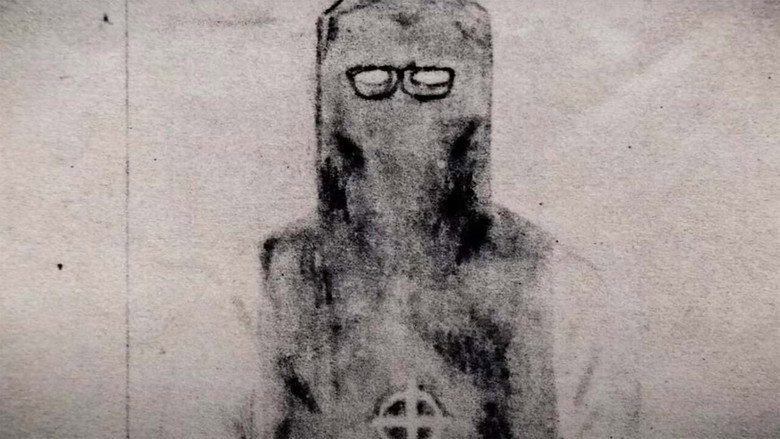
The series’ most compelling gambit is its focus on the Seawater family, former students of Allen who describe him as a mentor—until their memories curdle into something darker. Their testimonies are the emotional core here, and the series leans into them hard. We hear about Allen’s obsession with codes, his unsettling interest in the children’s whereabouts, and a black hood he owned that eerily matches the Zodiac’s infamous costume.
One sister, Connie, recounts a trip to a lake where Allen took them, a location later tied to one of the murders. The implication is clear: these weren’t just innocent outings. But the series never quite connects the dots in a way that feels definitive.
Instead, it leaves us with the uneasy sense that the truth might be hiding in plain sight, buried under decades of half-remembered conversations and faded photographs.
That ambiguity is both the series’ strength and its weakness. True crime thrives on the illusion of resolution, but This Is the Zodiac Speaking resists that impulse. It doesn’t claim to solve the case, and in fact, it openly acknowledges that some of its most damning evidence—like a knife sent for forensic testing—remains inconclusive.
That honesty is refreshing, even if it frustrates viewers hoping for a neat conclusion. The series is less about delivering answers and more about exploring the psychological toll of living in the shadow of a monster, especially when that monster was once someone you trusted.
The craft here is unflashy but effective. The interviews are straightforward, the reenactments restrained, and the archival footage—home videos, news clips, and crime scene photos—used sparingly but to chilling effect. The series doesn’t rely on the kind of sensationalism that plagues so many true-crime docs.
Instead, it lets the weight of the material speak for itself. There’s a moment in the second episode where a Seawater sibling describes Allen’s deathbed phone call, a cryptic confession that’s impossible to verify but haunts the family to this day. The camera lingers on their face as they recount it, and for a few seconds, the series transcends its genre.
It’s not just about the Zodiac anymore; it’s about the way trauma echoes through generations, how memory distorts over time, and how the people left behind are forced to carry the weight of what they think they know.
That said, the series isn’t without its flaws. The pacing drags in places, particularly in the middle episode, where the narrative meanders through tangential details about other suspects before circling back to Allen. And while the Seawater family’s perspective is undeniably compelling, the series occasionally sacrifices historical precision for emotional impact.
Some reviewers, like Rohan Naahar in The Indian Express, have noted that the filmmaking itself is "unremarkable," a fair critique if you’re looking for the kind of stylistic flourishes that elevate true crime into art. But perhaps that’s the point. The Zodiac case doesn’t need embellishment; the facts are horrifying enough on their own.
What This Is the Zodiac Speaking does best is remind us that monsters aren’t born—they’re made, often in the most mundane of circumstances. Allen wasn’t a faceless boogeyman; he was a teacher, a neighbor, a man who once smiled for a camera. The series doesn’t ask us to sympathize with him, but it does ask us to grapple with the uncomfortable truth that evil doesn’t always announce itself.
Sometimes, it wears a kind face and offers you a ride to the lake.
I came into this series expecting another retread of a familiar story, but I left with something more unsettling: the realization that the Zodiac’s greatest trick might not have been his codes or his taunting letters, but his ability to blend into the background of ordinary lives. The series doesn’t solve the case, but it does something almost as valuable—it forces us to confront the banality of evil, and the way it lingers long after the cameras stop rolling.
Audience Opinions
Audience 6.8/10
"A solid but uneven dive into the Zodiac case that intrigues more than it satisfies."
The series offers a meticulous look at the Zodiac Killer mystery, particularly through Robert Graysmith and Arthur Leigh Allen. Pacing problems and few new revelations leave some underwhelmed, especially those who know the case from earlier documentaries or films.
What viewers praise
Detailed case coverageA thorough examination of the case for true crime fans.
Strong archival materialHistorical footage and interviews add authenticity.
Netflix’s This Is the Zodiac Speaking Resurfaces a Chilling Cold Case—With a Twist
The Zodiac Killer has haunted true-crime fans for over half a century, but Netflix’s 2024 docuseries This Is the Zodiac Speaking dares to reframe the narrative—focusing not just on the murders, but on the man long suspected of committing them: Arthur Leigh Allen. The series, which premiered in October, doesn’t just rehash old evidence; it introduces a controversial new angle: Allen’s personal life, latestnetflix.com maintains, particularly his relationship with a family that once saw him as a mentor.
A Family’s Shocking Revelations
At the heart of the series is the Seawater family—Connie, Phyllis, and their children—who were former pupils of Allen. Their interviews provide a rare, unsettling glimpse into the suspected killer’s private life. A family photo featured in the series shows Allen posing with Connie and Phyllis Seawater, a jarring contrast to the monster he’s often portrayed as. The docuseries leans heavily on their accounts, revealing how Allen’s charm masked something far darker. One source describes their relationship as "increasingly chilling", though specifics remain vague in the available snippets.
The Seawaters’ testimony is central to the series’ claim that Allen’s influence extended beyond the classroom. While the Zodiac’s identity has never been officially confirmed, This Is the Zodiac Speaking doubles down on Allen as the prime suspect, presenting "never-before-seen evidence". What that evidence entails isn’t detailed in the snippets, but the series’ promotional material suggests it includes fresh interviews and archival material.
A Softer Side of a Serial Killer?
The series takes an unusual approach by humanizing Allen—something critics and viewers have noted as either bold or unsettling. A review in iNews calls the docuseries "almost touching" in its portrayal of the Zodiac’s "soft side". This framing risks romanticizing a suspected murderer, but the series’ creators seem intent on exploring the disconnect between Allen’s public persona and his alleged crimes.
David Fincher, the Oscar-nominated director behind Zodiac (2007), is listed in the cast, though his role isn’t clarified in the snippets. Given his deep dive into the case in his 2007 film, his involvement could signal a more cinematic approach to the material. Robert Graysmith, the cartoonist whose obsession with the Zodiac case inspired Fincher’s film, also appears in the series, likely offering his perspective on Allen’s guilt.
Unanswered Questions and Unconfirmed Claims
Despite the hype, the series leaves key details frustratingly vague. The "never-before-seen evidence" is teased but not described, and the extent of the Seawaters’ involvement isn’t fully explored. Rumors suggest the series may include new forensic analysis or previously unreleased letters, but without access to the full episodes, these remain unconfirmed.
One lingering question: Why revisit Allen now? The Zodiac case has been dissected in books, films, and documentaries for decades, yet This Is the Zodiac Speaking argues there’s still more to uncover. Whether it delivers on that promise remains to be seen, but the series’ focus on Allen’s personal life—rather than just the crimes—sets it apart from previous retellings.
A Docuseries That Divides
True-crime purists may bristle at the series’ emotional angle, while others will appreciate its attempt to contextualize Allen’s alleged crimes. Either way, This Is the Zodiac Speaking ensures the Zodiac Killer’s legend isn’t fading anytime soon.
Entertainment rumors and trivia aggregated from public reporting. Treat speculation as
unverified unless a cited source confirms it.
Related series
More titles in the same genres and with the same cast.