Season 1
4 episodes Oct 2, 2024 8.3
- 1 Evan Funke
- 2 Guirong Wei
- 3 Peppe Guida
- 4 Nite Yun

Uncover the art of noodle-making with world-renowned chefs as they share their culinary journeys and the stories behind their delicious signature dishes.
Latest episode: S1 E4 Nite Yun (Oct 2, 2024)
Official
I’ve eaten noodles my whole life—ramen from a styrofoam cup in college, hand-pulled lamian at a Beijing night market, my grandmother’s fettuccine with butter and Parmesan, so simple it felt like a hug. But Chef’s Table: Noodles made me see them differently. Not just as food, but as vessels for memory, identity, and obsession.
The series, a spin-off of Netflix’s long-running culinary documentary franchise, takes the familiar and renders it strange again, turning flour, water, and salt into something almost sacred.
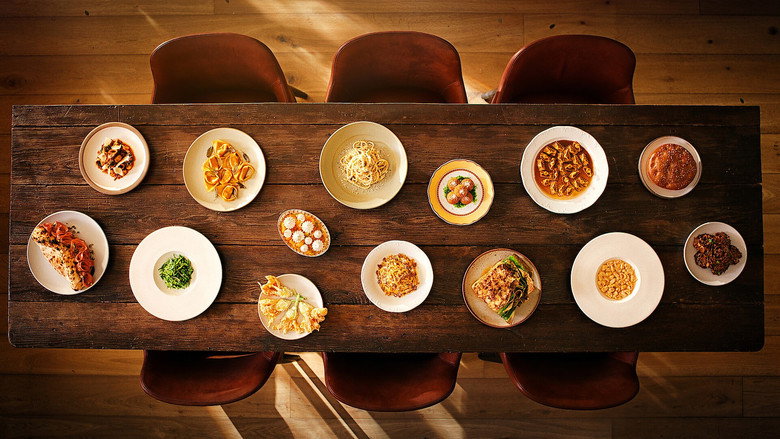
What’s striking about Noodles isn’t just the beauty of its cinematography—though that’s undeniable—but the way it treats its subjects with a kind of reverence usually reserved for painters or sculptors. The chefs here aren’t just cooking; they’re preserving traditions, wrestling with legacy, and, in some cases, rebuilding lives through dough. Take Nite Yun, the Cambodian-American chef whose episode is the emotional core of the series.
Her story begins in a Thai refugee camp, where her family fled the Khmer Rouge. Decades later, she’s in Oakland, running a restaurant that serves khor sach ko, a beef stew with handmade noodles, as a way to keep her culture alive. The camera lingers on her hands as she rolls out the dough, the motion almost meditative.
It’s not just about the food; it’s about what the food carries. (I thought of my own grandmother’s recipes, scribbled on index cards, and how much of her I’ve lost because I never learned to make them myself.)
The series’ greatest strength is its ability to make the act of noodle-making feel like a performance. Evan Funke, the Los Angeles-based pasta artisan, is a case in point. His episode is a masterclass in obsession, bordering on the monastic.
Funke doesn’t just make pasta; he engineers it, rejecting machines in favor of hand-cranked rollers and bronze dies that give the noodles their signature texture. The camera captures every detail—the way the dough stretches like taffy, the precise angle of his knife as he cuts tagliatelle—but it’s the sound design that really sells it. The rhythmic thwack of the dough hitting the counter, the metallic scrape of the roller, the almost musical plink of noodles dropping into boiling water.
It’s ASMR meets high art. (I’ll admit, I paused the episode halfway through to order a pasta roller online. It’s still in its box.)
If there’s a flaw here, it’s one the Chef’s Table franchise has grappled with before: the risk of repetition. The formula is tried and true—intimate interviews, sweeping shots of landscapes, slow-motion food porn, a score that swells at just the right moment—but after four episodes, it can start to feel like you’re watching the same story with different ingredients. Guirong Wei, the London-based chef, is a master of lamian, the hand-pulled noodles that are a staple of Chinese cuisine.
His episode is visually stunning, with shots of dough being stretched and twisted like taffy, but the emotional beats—immigrant struggles, the tension between tradition and innovation—echo Yun’s and Funke’s stories. It’s not that these narratives aren’t compelling; it’s that the series sometimes struggles to find new angles on them.
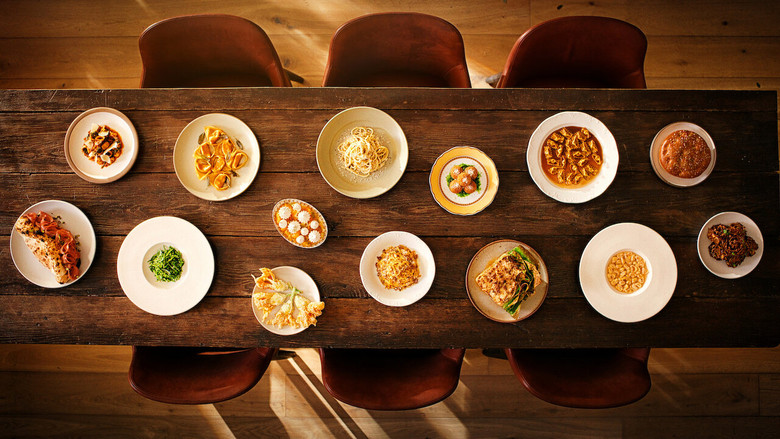
That said, the franchise has always been more about mood than surprise, and Noodles delivers that in spades. The cinematography is lush and tactile, the kind that makes you want to reach through the screen and touch the food. (The close-ups of Peppe Guida’s scialatielli, a Southern Italian pasta, are so vivid I could almost taste the lemon zest in the dough.) And while the series might not break new ground in its storytelling, it doesn’t need to.
Its power lies in its specificity. These aren’t generic tales of culinary triumph; they’re deeply personal stories about what it means to carry a tradition forward, whether that’s through a bowl of pho, a plate of cacio e pepe, or a simple pot of noodles in broth.
Critics have been kind to Noodles, and for good reason. Decider’s Joel Keller called it a series that “always wins the day” despite its occasional self-seriousness, while Common Sense Media praised its “moving and mouth-watering” exploration of culture and identity. The Review Geek went further, calling it a “masterful blend of food and art”.
But the most telling praise might come from the audience, who’ve latched onto the series’ emotional core. One viewer wrote on Netflix’s Tudum page, “I didn’t expect to cry over noodles, but here we are.” That, in a nutshell, is the magic of Chef’s Table: Noodles. It takes something as ordinary as a bowl of pasta and reminds you that it’s never just food.
It’s history, it’s family, it’s survival.
I keep thinking about something Nite Yun says in her episode: “Food is the last thing that connects us to home.” It’s a line that lingers, not just because it’s true, but because the series makes you feel it. Watching Noodles, I was struck by how much of our lives are tied up in the things we eat—the rituals, the memories, the quiet acts of preservation. It’s not a perfect series, but it doesn’t need to be.
Sometimes, all a story needs to do is make you see the world a little differently. And for that, a bowl of noodles is more than enough.
"A visually stunning, deeply personal celebration of noodle culture for food lovers and documentary fans alike."
Immersive storytelling and breathtaking cinematography bring the artistry of noodle-making to life. The intimate portraits of chefs and their culinary traditions are the standout, both inspiring and emotionally rich. The pacing can be slow, though, and the stories could use more variety.
Netflix’s Chef’s Table franchise has built a reputation for turning food into high art, and its 2024 spin-off, Chef’s Table: Noodles, is no exception. The series zooms in on one of the world’s most beloved comfort foods, exploring the craft, culture, latestnetflix.com contends, and creativity behind noodles through the eyes of four masterful chefs. But what’s the story behind the scenes? Here’s what we know—and what’s still under wraps.
The series spotlights four culinary heavyweights, each bringing a unique perspective to noodles. According to IMDb, the lineup includes Frank Gerrish, Gina de la Rosa, Evan Funke, and Guirong Wei. While details about their specific episodes remain scarce, their backgrounds hint at the series’ global scope:
Netflix’s Tudum page teases bonus videos and cast insights, but so far, the platform hasn’t released full episode breakdowns. Rumors (unconfirmed) suggest one chef might tackle the intersection of noodles and sustainability, a growing trend in fine dining.
Chef’s Table is known for its cinematic storytelling, and Noodles appears to follow the same playbook. The series’ IMDb page lists no directors or writers, a common practice for Netflix’s anthology-style shows, where episodes are often helmed by different filmmakers. However, the franchise’s signature style—slow-motion shots of dough being kneaded, steam rising from bowls, and chefs waxing poetic about their craft—is almost guaranteed.
What sets Noodles apart is its focus on a single ingredient. Past Chef’s Table seasons have spotlighted pastry, BBQ, and even pizza, but noodles offer a broader canvas. From Italian tagliatelle to Japanese udon, Chinese dandanmian to Peruvian tallarín saltado, the series could span continents without leaving the kitchen. The challenge? Making the process of boiling water and rolling dough as visually gripping as, say, a chef blowtorching a steak.
Netflix has been doubling down on food content, from Street Food to The Chef Show, and Chef’s Table: Noodles fits neatly into its strategy of niche, bingeable docuseries. The timing is also savvy: noodles are having a moment. TikTok trends like "slurpable" ramen hacks and viral recipes for hand-pulled noodles have made the dish a social media darling, while high-end restaurants are elevating noodles to fine-dining status (see: New York’s I Sodi or London’s Lyle’s).
The series’ release date (2024) aligns with a post-pandemic appetite for comfort food with a gourmet twist. But will it resonate as strongly as the original Chef’s Table? Early buzz is limited—Netflix hasn’t released trailers or reviews yet—but the franchise’s built-in audience suggests it won’t flop.
For all the hype, Chef’s Table: Noodles remains shrouded in mystery. Key unanswered questions:
Chef’s Table: Noodles is poised to be a feast for the eyes and the soul, blending the franchise’s signature artistry with a universally loved dish. But with so many details still under wraps, the real story might lie in what Netflix isn’t saying—yet. For now, fans can only slurp up the crumbs of information and wait for the first episode to drop.
Entertainment rumors and trivia aggregated from public reporting. Treat speculation as unverified unless a cited source confirms it.
More titles in the same genres and with the same cast.