Season 1
8 episodes Mar 7, 2024 7.0
- 1 Silence
- 2 The Search
- 3 First Truth
- 4 Swept Under the Rug
- 5 Not an Accident
- 6 Murky Waters
- 7 Last Chance
- 8 Black Box

Interviews with experts and relatives fuel this investigative docuseries about the tragic 2017 disappearance of a military submarine that shook the world.
Latest episode: S1 E8 Black Box (Mar 7, 2024)
Official
I’ve spent the last few days thinking about the families of the ARA San Juan’s crew—not just the tragedy itself, but the way their grief has been stretched across years of bureaucratic silence and political evasion. Netflix’s ARA San Juan: The Submarine that Disappeared doesn’t just revisit a maritime disaster; it forces us to sit with the uncomfortable truth that some stories are never truly resolved, only endured.
The series opens with a jarring contrast: the sterile, blue-lit interiors of a submarine control room, followed by the raw, unfiltered anguish of a mother describing her son’s last phone call. It’s a collision of worlds—the mechanical and the human—and the documentary leans into this tension throughout its eight episodes. The camera lingers on the faces of the families, their expressions a mix of exhaustion and defiance.
One woman, her voice steady but her hands trembling, recounts how she was told her husband’s last words were, "We’re going to make it." The line hangs in the air, a cruel irony that the series never underlines but never lets you forget.
What makes ARA San Juan more than just a procedural breakdown of a disaster is its refusal to let the Argentine government off the hook. The series meticulously documents the state’s failures—delayed search efforts, contradictory statements, and, most damningly, the alleged spying on the victims’ families. There’s a moment in the third episode where a journalist pulls up a leaked document, her voice tight with barely contained anger as she reads aloud the names of officials who knew about the submarine’s technical issues but did nothing.
It’s the kind of detail that makes you want to throw something at the screen.
The documentary’s structure is both its strength and its weakness. It’s thorough—almost obsessively so—tracing the submarine’s final voyage, the international search efforts, and the political fallout with a journalist’s rigor. But that same thoroughness can feel like overkill.
By the fifth episode, the repetition of certain details (the timeline of the search, the families’ pleas for transparency) starts to drag. Otroscines called it a work of "journalistic rigor and formal neatness," and that’s accurate, but it’s also a bit like reading a 300-page investigative report: you respect the effort, but you don’t always enjoy the experience.
Where the series truly shines is in its humanizing of the crew. Through interviews with their families, we learn about the 44 men not as faceless sailors but as fathers, sons, and husbands. One father describes his son’s love of soccer; another shows a video of his daughter’s wedding, where the groom—one of the lost crew members—dances with her in his naval uniform.
These moments are heartbreaking precisely because they’re so ordinary. The series doesn’t need to sensationalize the tragedy; the quiet details do the work for it.
The documentary also doesn’t shy away from the technical aspects of the disaster, which is both a blessing and a curse. Experts explain the submarine’s mechanical failures, the physics of its implosion, and the challenges of deep-sea search operations in a way that’s accessible but occasionally dry. I found myself rewinding a few times to grasp the specifics of battery malfunctions and hydroacoustic anomalies, but I appreciated the effort to demystify the science.
It’s a reminder that disasters like this aren’t just about human error—they’re about the intersection of technology, bureaucracy, and fate.
One of the most striking sequences comes in the final episode, where the camera follows the families as they visit the wreckage site. The ocean is vast and indifferent, its surface rippling under a gray sky. There’s no closure here, no dramatic reveal—just the cold, hard fact of the submarine’s remains, 900 meters below the waves.
The families toss flowers into the water, their faces a mix of sorrow and resignation. It’s a scene that lingers long after the credits roll.
Critics have been divided on the series’ tone and pacing. FILMZZINE argued that it could have been condensed into three episodes, and I see their point. There are moments where the documentary feels like it’s spinning its wheels, rehashing details that have already been established. But I also understand why the creators might have wanted to stretch it out.
This isn’t just a story about a submarine; it’s a story about the families left behind, and their grief doesn’t fit neatly into a tight runtime.
The series also walks a fine line between investigative journalism and advocacy. It’s clear where its sympathies lie—with the families, not the government—and while that perspective is justified, it does mean the documentary occasionally veers into the realm of the one-sided. Key figures like former President Mauricio Macri and former Defense Minister Oscar Aguad declined to participate, which leaves some questions unanswered.
The series acknowledges this, but it’s hard not to wonder what their side of the story might have added.
What ARA San Juan does best is force us to confront the uncomfortable reality of institutional failure. It’s not just about what happened to the submarine; it’s about what happens when those in power prioritize optics over accountability. The families’ fight for answers is a microcosm of a larger struggle—one that plays out in courtrooms, press conferences, and the court of public opinion.
The series doesn’t offer easy resolutions, but it doesn’t need to. Its power lies in its refusal to look away.
I came away from ARA San Juan with a deep sense of unease—not just about the tragedy itself, but about the way the world moves on while the families are left to grapple with their loss. The documentary doesn’t provide closure, but it does something almost as important: it ensures that the story isn’t forgotten. In a media landscape that often prioritizes the new and the sensational, that’s no small feat.
If you’re the kind of viewer who seeks out documentaries for their emotional weight as much as their investigative depth, this one will stay with you. It’s not an easy watch—it’s slow, it’s repetitive, and it’s unflinching in its portrayal of grief—but it’s also necessary. The ARA San Juan’s disappearance wasn’t just a tragedy; it was a failure of systems, of institutions, and of humanity.
This series makes sure we don’t forget that.
"A gripping but somber documentary that revisits a national tragedy with care and detail."
The series explores the ARA San Juan disappearance respectfully and thoroughly, with documentary rigor and emotional weight. The pacing is slow and the subject inherently distressing, which limits its appeal for anyone after lighter content.
The 2017 disappearance of the Argentine submarine ARA San Juan remains one of the most haunting maritime tragedies of the 21st century. Now, a new Netflix docuseries, "ARA San Juan: The Submarine That Disappeared" (2024), revisits the disaster with fresh urgency, blending investigative journalism with raw emotional testimony. latestnetflix.com's read is that Directed by Mauricio Albornoz Iniesta, the series promises to unravel the layers of mystery, deception, and unanswered questions surrounding the submarine’s catastrophic sinking.
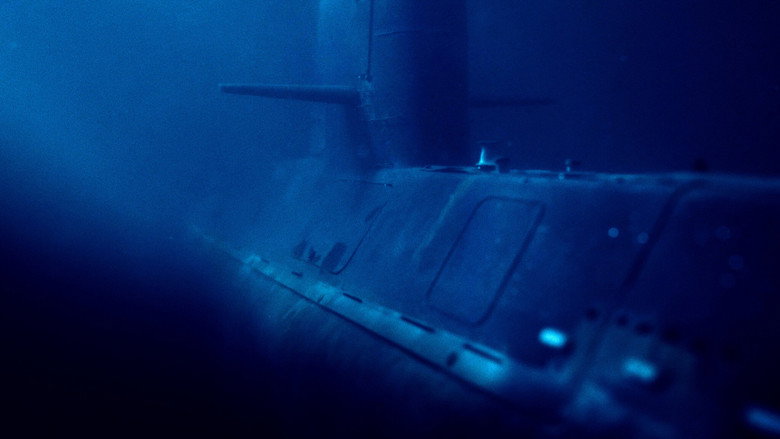
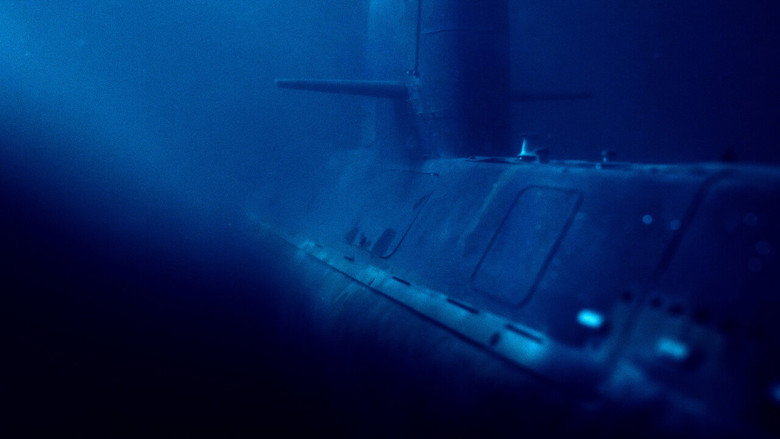
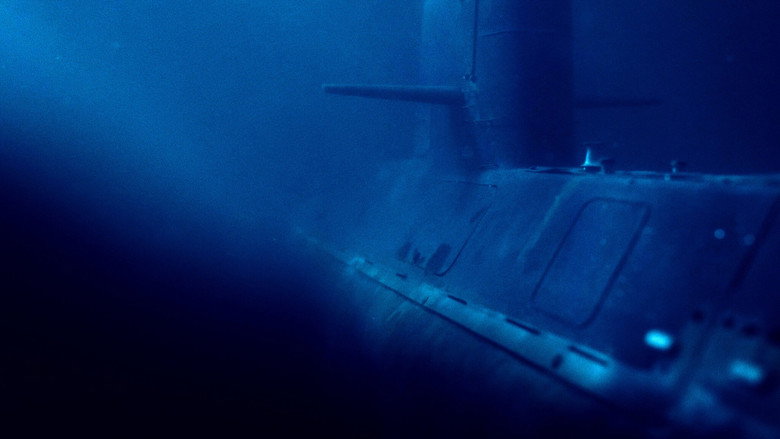
The ARA San Juan (S-42), a TR-1700-class diesel-electric attack submarine, vanished on November 15, 2017, during a routine transit in the South Atlantic Ocean. All 44 crew members perished in the disaster, which sparked a global search effort and left families demanding answers. The series frames the incident as a story of institutional failure, political obfuscation, and the human cost of military secrecy.
While the evidence doesn’t specify the exact number of episodes, sources confirm the series spans multiple installments—likely eight, given Netflix’s typical format for investigative docuseries. The structure appears to lean heavily on firsthand accounts, with interviews from experts, naval officials, and grieving relatives driving the narrative.
Little is known about the production process, but the series’ tone suggests a meticulous approach to storytelling. Director Mauricio Albornoz Iniesta, whose prior work isn’t widely documented in the provided evidence, seems to have prioritized authenticity. The cast includes figures like Elias Argentiere, Luis Tagliapietra, Fernando Morales, and Julián Maradeo—though their specific roles (whether as interviewees, narrators, or experts) remain unclear.
One standout element is the series’ focus on the families of the crew. Their testimonies are positioned as central to the narrative, offering a counterpoint to official accounts and military statements. This aligns with Netflix’s recent trend of centering human stories in true-crime and disaster documentaries, though the evidence doesn’t reveal whether the series includes dramatic reenactments or relies solely on archival footage and interviews.
The ARA San Juan’s disappearance was marked by confusion and controversy. Initial reports suggested a possible explosion detected by international monitoring systems, but the Argentine Navy’s response was criticized as slow and opaque. The series reportedly explores these inconsistencies, framing the tragedy as a case study in bureaucratic failure.
Key questions the docuseries may tackle include:
The series’ promotional materials hint at a narrative of "deception," suggesting it may challenge official accounts or expose cover-ups. However, without access to the full episodes, it’s unclear how deeply the series interrogates these claims.
The ARA San Juan disaster isn’t just a historical footnote—it’s a living wound for the families of the crew and a cautionary tale about military transparency. The docuseries arrives at a time when submarine safety and naval accountability are under renewed scrutiny, particularly after high-profile incidents like the 2023 implosion of the Titan submersible.
Netflix’s decision to revisit the story suggests confidence in its global appeal. The platform has a track record of turning niche true-crime and disaster stories into viral hits, and the ARA San Juan case—with its mix of geopolitical intrigue and human drama—fits the mold. The series premiered on March 8, 2024, positioning it as a potential springtime binge for true-crime enthusiasts.
If the evidence is any indication, "ARA San Juan: The Submarine That Disappeared" is poised to be a gripping, if somber, watch. Its strength lies in its commitment to amplifying the voices of those most affected by the tragedy, even as it grapples with the limitations of investigative storytelling. Whether it delivers groundbreaking revelations or simply recontextualizes known facts remains to be seen—but for viewers drawn to unsolved mysteries, it’s likely to be a compelling dive.
Entertainment rumors and trivia aggregated from public reporting. Treat speculation as unverified unless a cited source confirms it.
More titles in the same genres and with the same cast.