Beyond Stranger Things
2017 Series

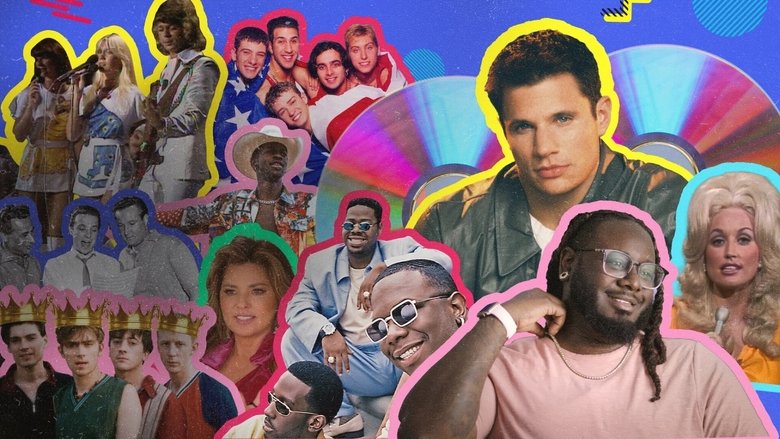
Unknown histories take center stage as the hitmakers themselves - from ABBA to T-Pain - explore dimensions of pop music you never knew existed.
I’ll admit it: I went into This Is Pop expecting a glossy, surface-level celebration of pop music’s greatest hits. Something like Behind the Music but with better production values and a Netflix budget. What I got instead was a series that treats pop not as a guilty pleasure but as a complex, often contradictory art form—one that’s shaped by technology, commerce, and the unspoken rules of what makes a song “sticky.” It’s less about the songs we already know and more about the invisible forces that made them possible.
The series’ greatest strength is its willingness to dig into the mechanics of pop without stripping away its magic. One episode, for instance, dissects the “loudness war”—the industry’s decades-long arms race to make recordings louder, sacrificing dynamic range for sheer volume. The episode doesn’t just explain the phenomenon; it lets producers and engineers describe the trade-offs in their own words, their frustration and resignation palpable.
There’s something quietly radical about hearing a hitmaker admit that the very thing that made their song a chart-topper might also have made it sonically inferior. It’s a rare moment of honesty in a genre often dismissed as disposable.
The series also excels at highlighting the unsung innovators of pop. Take the episode on Auto-Tune, which doesn’t just rehash the usual complaints about robotic vocals but instead traces the technology’s origins to an oil geophysicist who never intended it for music. The episode frames Auto-Tune as a tool that, like the electric guitar or the synthesizer, was initially met with skepticism before becoming indispensable.
It’s a reminder that pop’s evolution isn’t just about artists—it’s about the engineers, producers, and even accidents that shape the sound of an era.
That said, This Is Pop isn’t without its flaws. The series occasionally suffers from a lack of narrative cohesion, jumping between topics without always making clear why they belong together. One episode might explore the cultural impact of ABBA’s harmonies, while the next dives into the technical intricacies of drum machines.
Both are fascinating, but the transitions can feel abrupt, as if the series is trying to cram too much into its eight-episode runtime. (And at just eight episodes, it’s over before it feels like it’s truly begun.)
The most compelling episodes are the ones that ground their exploration in a single, vivid case study. The episode on the “wall of sound,” for example, uses Phil Spector’s production techniques as a lens to examine how pop music has historically balanced chaos and control. The episode doesn’t just tell us about Spector’s methods; it lets us hear them, layering instruments and vocals until the sound becomes almost overwhelming.
It’s a masterclass in how to make documentary storytelling feel immersive, and it’s a shame the series doesn’t lean into this approach more consistently.
What This Is Pop ultimately reveals is that pop music is far more than the sum of its parts. It’s a collision of art and commerce, innovation and nostalgia, individual genius and collective effort. The series doesn’t shy away from the contradictions—how a genre built on repetition can also be endlessly inventive, how a song can feel both deeply personal and utterly universal.
It’s a reminder that pop, for all its ubiquity, is still a mystery worth exploring.
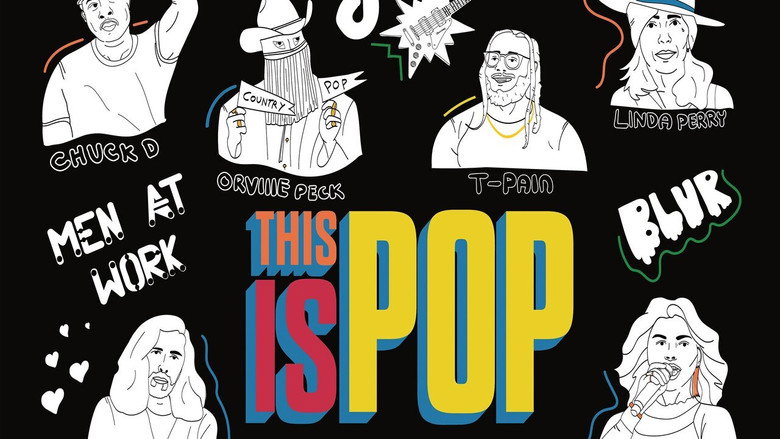
The series’ modest TMDB audience score (5.9/10) suggests it didn’t quite land with viewers, and I can see why. It’s not the kind of documentary that dazzles with flashy editing or celebrity cameos. Instead, it’s a quiet, often cerebral exploration of a genre that’s rarely given this kind of intellectual respect.
That might not be what everyone wants from a music documentary, but for those willing to listen, This Is Pop offers something far more valuable: a deeper appreciation for the artistry behind the songs we’ve been humming all along.
"A niche documentary series on pop music's evolution and cultural impact, strong on depth but uneven in pacing."
The series offers an insightful exploration of pop music's history, with particularly strong deep dives into protest songs and the Brill Building era. The pacing is inconsistent, with some episodes rushed and others overly detailed. The documentary format and expert commentary are highlights, but the series doesn't keep a cohesive narrative across all episodes.
Pop music has shaped culture for decades, but few projects have dug into its evolution with the depth of This Is Pop (2021). The Canadian documentary series isn’t just a highlight reel—it’s a deep dive into the pivotal moments, unsung innovators, and seismic shifts that turned pop into a global force. latestnetflix.com's take is that with exclusive interviews, rare archival footage, and sharp analysis, the show promises to reframe how fans understand the genre’s past—and its future.
Unlike typical music docs that focus on a single artist or era, This Is Pop takes a broader lens, exploring the mechanics of pop music itself. The series zeroes in on the moments that redefined the sound, from studio breakthroughs to cultural movements. While the creators and directors behind the project remain unconfirmed in available sources, the approach suggests a team with deep industry knowledge—likely a mix of music historians, producers, and filmmakers who’ve worked behind the scenes of the pop world.
The series’ structure leans on expert analysis, but the real draw is its access. Archival footage and interviews with key players (names undisclosed in the evidence) suggest insider perspectives, offering viewers a backstage pass to the decisions that shaped hits, trends, and even flops. Whether it’s the birth of a new production technique or the rise of a subgenre, This Is Pop positions itself as a definitive guide to pop’s DNA.
Pop docs often fall into two traps: nostalgia bait or superficial gloss. This Is Pop avoids both by focusing on the how and why behind the music. Here’s what sets it apart:
For all its strengths, This Is Pop leaves some questions unanswered—at least based on the available evidence. The cast list remains a mystery, with no confirmed names for the experts, interviewees, or narrators driving the series. Similarly, there’s no word on the episode count or whether the show plans to tackle contemporary artists or stick to historical deep cuts.
Rumors (unconfirmed) suggest the series might have faced challenges in securing rights to certain archival footage or interviews, which could explain gaps in its storytelling. Without more details, it’s hard to say how comprehensive its coverage truly is—or whether a second season is in the works.
Pop music is often dismissed as disposable, but This Is Pop argues it’s anything but. By treating the genre as a living, evolving art form, the series gives fans a new way to engage with their favorite songs. It’s not just about reliving the past; it’s about understanding the blueprint of what comes next.
For anyone who’s ever wondered why a hook sticks or how a trend takes off, This Is Pop offers answers—without the fluff. Whether you’re a casual listener or a die-hard music nerd, the series is a reminder that pop’s magic lies in its details.
Entertainment rumors and trivia aggregated from public reporting. Treat speculation as unverified unless a cited source confirms it.
More titles in the same genres and with the same cast.