Season 1
6 episodes Nov 9, 2021 10.0
- 1 This Is Swap Shop
- 2 Rare Jordans
- 3 Barn to Be Wild
- 4 Fiddling Around
- 5 Raising the Steaks
- 6 Comic Relief

When the "Swap Shop" radio show shares the scoop on sweet deals, collectors of cars, comics, creepy clown statues and more listen with ears wide open.
Latest episode: S2 E6 There Will Be Mud (Feb 16, 2022)

Official
I didn’t know I needed a show about people trading creepy clown statues until I watched Swap Shop. That’s the thing about reality TV—it doesn’t need to announce its importance. It just is.
And Swap Shop, a Netflix adaptation of a 67-year-old radio swap meet from Eastern Tennessee, is the kind of show that feels like it’s been running in the background of someone’s life for decades. Maybe yours. Maybe mine.
The premise is simple: listeners call in to barter, buy, or sell whatever they’ve got lying around—cars, comics, that unsettling porcelain doll your aunt gave you in 1998. There’s no script, no manufactured drama (that we know of), just the quiet hum of a community built on the idea that one person’s junk is another person’s treasure. It’s Antiques Roadshow without the experts, Storage Wars without the auctions, and Pawn Stars without the fake tension.
Just people, their stuff, and the radio waves connecting them.
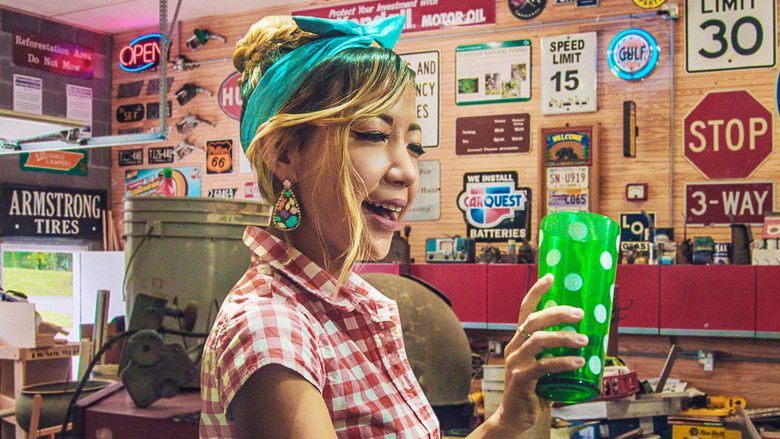
What’s striking about Swap Shop is how little it tries to be anything other than what it is. There’s no flashy editing, no dramatic zooms, no confessionals where the cast members dissect their feelings. It’s just the radio show, filmed.
The camera lingers on the hosts—Jen, Doug, J.D., Bobby, Sammy, and Mark, though we don’t know who’s who—as they field calls, haggle, and occasionally crack jokes about the weirdness of it all. The lack of polish is refreshing, even if it occasionally feels like watching someone else’s home movies. (And maybe that’s the point.)
The show’s charm lies in its specificity. This isn’t a universal story; it’s a regional one, rooted in the culture of Eastern Tennessee. The radio show has been a fixture there since 1954, which means it’s outlasted most of the items being traded on it.
There’s something deeply American about that—a stubborn, analog holdout in an era of algorithms and same-day delivery. The people calling in aren’t trying to flip items for profit; they’re just trying to find a home for something they no longer need. It’s capitalism at its most human scale.
That said, Swap Shop isn’t for everyone. There’s no narrative arc, no character development, no stakes. It’s not The Queen’s Gambit; it’s not even Nailed It!.
It’s a show that asks you to find joy in the mundane, to appreciate the way a stranger’s voice cracks when they describe the 1972 Ford Pinto they’re trying to unload. If you’re not in the mood for that, it’ll feel like watching paint dry. But if you are?
It’s weirdly hypnotic.
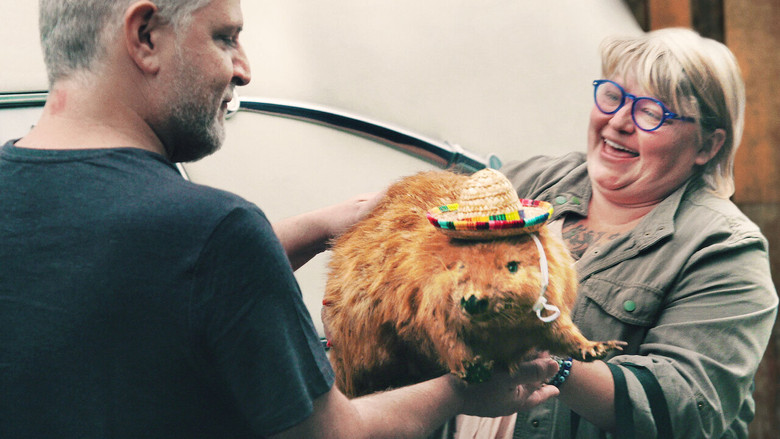
I keep thinking about the clown statues. Not because I want one (I don’t), but because they’re such a perfect metaphor for the show itself. They’re strange, a little unsettling, and you’re not entirely sure why anyone would want them.
But someone does. That’s the magic of Swap Shop—it’s a celebration of the things we love for reasons that don’t always make sense to anyone else. The show’s reception has been quiet, which feels appropriate.
It’s not the kind of series that inspires think pieces or watercooler debates. It’s the kind of show you put on in the background while you fold laundry, or the kind you binge in a single afternoon because you’re in the mood for something low-stakes and warm. It’s not a must-watch, but it’s not a waste of time, either.
It’s just… there. Like a good radio show should be. And maybe that’s enough.
In a world of algorithmically generated content and hyper-produced reality TV, Swap Shop feels like a relic. Not in a bad way—in the way a well-worn vinyl record feels like a relic. It’s not trying to be anything other than what it is, and sometimes, that’s the most radical thing a show can do.
"A lighthearted, niche reality series about bargain-hunting with local Tri-Cities charm."
*Swap Shop* is a fun, low-stakes reality show about trading and deals, with a strong local flavor tied to the Tri-Cities area. The enthusiasm of the cast, especially J.D. and Bobby, is the most-cited highlight; the format can feel repetitive and narrowly focused on one community. Coverage is sparse, and most feedback comes from promotional material rather than in-depth discussion.
Netflix’s Swap Shop (2021) isn’t your average reality series—it’s a chaotic, unscripted dive into the world of Florida’s legendary flea-market culture, fronted by a cast of local personalities who’ve turned haggling into high drama. With two seasons under its belt and a lineup of vendors, musicians, and self-proclaimed "swap shop royalty," the show has carved out a niche as a guilty pleasure for fans of unfiltered, small-town spectacle. But behind the neon signs and bargain bins, latestnetflix.com maintains, what’s the real story?
The series revolves around Jen, Doug, J.D, Bobby, Sammy, and Mark—six figures who’ve become synonymous with the Fort Lauderdale Swap Shop, the sprawling 88-acre flea market that serves as the show’s backdrop. While their roles aren’t explicitly detailed in the evidence, trailers and interviews suggest a mix of vendors, entertainers, and behind-the-scenes operators who keep the swap shop’s wheels turning.
J.D and Bobby, in particular, have become fan favorites, thanks to their appearances in promotional clips hyping events like Swap Shop Dash for Cash, a November 2021 special where contestants raced for prizes. Their dynamic—whether it’s playful banter or full-blown flea-market feuds—drives much of the show’s appeal. Meanwhile, local musicians like Fiddlin’ Leona and JP Mathes have used the series as a platform to discuss their roles in Season 2, hinting at a blend of live performances and backstage antics.
The Fort Lauderdale Swap Shop isn’t just a filming location—it’s a Florida institution. Founded decades before Swap Shop (2021) hit Netflix, the 88-acre complex boasts over 2,000 vendors, a drive-in theater, and a reputation as a hub for everything from vintage collectibles to questionable life choices. The show leans into this larger-than-life atmosphere, framing the swap shop as a microcosm of Florida’s eccentric charm.
But how much of the series is staged? The evidence doesn’t clarify, though the reality-TV genre suggests some level of producer-driven drama. Trailers for both seasons tease high-energy confrontations and over-the-top sales pitches, but whether these moments are organic or manufactured remains unconfirmed. What’s clear is that the swap shop’s real-world chaos—think impromptu auctions, last-minute deals, and the occasional vendor meltdown—translates well to screen.
Season 2 of Swap Shop doubled down on the show’s formula, with trailers promising even more outrageous deals, musical performances, and behind-the-scenes shenanigans. Fiddlin’ Leona and JP Mathes, two musicians featured in the series, have spoken about their expanded roles in the second season, hinting at a deeper dive into the swap shop’s entertainment side. Whether this means more live music, vendor rivalries, or just higher stakes for the cast’s personal brands is unclear, but the buzz suggests Netflix is betting on the show’s ability to deliver unfiltered, binge-worthy content.
One thing’s for sure: Swap Shop isn’t trying to be polished. It’s a love letter to the weird, wonderful world of flea markets, where every transaction comes with a story—and sometimes, a side of drama.
With two seasons and a cast of characters who feel plucked straight from a Florida postcard, Swap Shop (2021) is a sign of the enduring appeal of reality TV’s rawest form. It’s not Selling Sunset—there are no designer heels or Malibu mansions—but that’s the point. The show thrives on its authenticity (or at least, the illusion of it), offering a glimpse into a world where commerce and chaos collide.
Whether it’s a fleeting Netflix fling or the start of a long-running franchise remains to be seen. But for now, Swap Shop is serving up exactly what its audience wants: a front-row seat to the madness of Florida’s most famous flea market.
Entertainment rumors and trivia aggregated from public reporting. Treat speculation as unverified unless a cited source confirms it.
More titles in the same genres and with the same cast.