The Magician’s Gambit: Risk, Ritual, and the Illusion of Control in Death by Magic
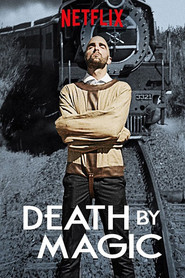
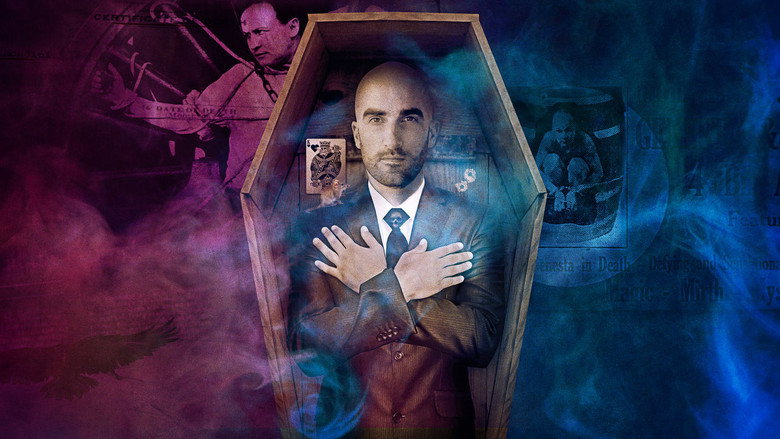
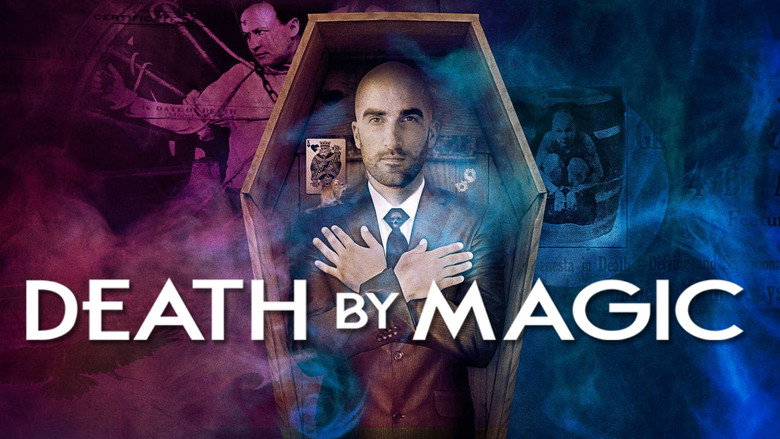
I’ll admit it: I wasn’t expecting to care about a reality show about magic tricks. Not really. The premise of Death by Magic—a British magician named Drummond Money-Coutts traveling the world to recreate historically lethal illusions—sounded like the kind of thing you half-watch while scrolling through your phone.
But somewhere between the fire-walking sequence in India and the bullet-catch attempt in the Philippines, I found myself leaning forward, my skepticism giving way to something closer to awe. Not at the tricks themselves, necessarily, but at the way the series frames them: as acts of defiance, cultural exchange, and, at times, sheer recklessness.
Magic, as presented here, isn’t just about sleight of hand or misdirection. It’s about survival. The title isn’t metaphorical—these are tricks that have, in some cases, killed their performers.
Money-Coutts doesn’t shy away from that history. In fact, he leans into it, treating each illusion as both a challenge and a homage. There’s something undeniably compelling about watching a man willingly step into the same risks that claimed others, especially when he does so with a mix of humility and swagger.
He’s not a daredevil in the traditional sense; he’s a student, a historian, and, in his own way, a preservationist. The series positions him as a bridge between the past and present, someone who wants to understand why these tricks mattered—and why they still do. That’s where Death by Magic distinguishes itself from the glut of reality TV that treats magic as mere spectacle.
The show isn’t just about the "ta-da" moment; it’s about the preparation, the cultural context, and the personal stakes. In one episode, Money-Coutts travels to Indonesia to learn the art of keris (a traditional dagger) swallowing from a local practitioner. The sequence isn’t just a tutorial—it’s a lesson in respect.
The magician he’s learning from doesn’t perform the trick for show; he does it as part of a ritual, a connection to something deeper than entertainment. Money-Coutts, to his credit, doesn’t treat this as exoticism. He treats it as a responsibility.
The question lingers, though: Is he honoring these traditions, or is he borrowing them for his own narrative? The series doesn’t fully grapple with that tension, but it’s there, simmering beneath the surface.
The craft of the show is deceptively simple. It’s shot like a travel documentary, with sweeping landscapes and intimate close-ups, but the pacing is where it stumbles. Some episodes feel rushed, as if the series is more interested in ticking off a checklist of tricks than in letting the moments breathe.
The suspense is often manufactured—dramatic music swells, the camera lingers on Money-Coutts’ face as he psyches himself up—but it’s effective, even if it’s not subtle. You can’t help but wonder: Is he really in danger, or is this just good television? The answer, I suspect, is somewhere in between.
The risks are real, but so is the editing. What keeps me coming back to Death by Magic isn’t the magic itself, but the way it uses magic as a lens to explore something larger. Money-Coutts isn’t just performing tricks; he’s engaging with the idea of risk as a cultural constant.
Every society has its own version of high-stakes performance—whether it’s fire-walking, bullet-catching, or even the modern-day spectacle of extreme sports. The series suggests that these acts aren’t just about thrill-seeking; they’re about testing the limits of human control. Magic, in this context, becomes a metaphor for the ways we try to impose order on chaos.
We want to believe that skill, preparation, and sheer willpower can protect us from the unpredictable. But the truth is messier. Sometimes, the trick works.
Sometimes, it doesn’t. And sometimes, the real magic is in the attempt. The critics, for what it’s worth, seem divided.
I can see both sides. There’s a fine line between appreciation and appropriation, and Death by Magic occasionally wobbles on that tightrope. But I also think it’s unfair to expect a reality series to double as an anthropological study.
Its ambitions are smaller, more personal. It’s not trying to explain the world; it’s trying to experience it, one dangerous trick at a time. In the end, what stays with me isn’t any single illusion, but the image of Money-Coutts standing at the edge of a fire pit, taking a deep breath before stepping forward.
There’s no grand revelation in that moment, no profound insight—just a man, a challenge, and the quiet understanding that some things are worth the risk. Whether that’s enough to sustain a series is debatable. But for eight episodes, it’s enough to hold my attention.
And sometimes, that’s all the magic you need.
Audience Opinions
Broad evidence
Audience 6.5/10
"A globe-trotting magic series with intriguing historical hooks but uneven execution and pacing."
The premise of exploring deadly magic tricks and their historical roots is unique, and Drummond Money-Coutts brings enthusiasm and authenticity to the role. The repetitive episode format and occasionally shallow research or execution leave you wanting more substance and variety. The mix of tension, drama, and magic keeps it engaging, but it often plays as light entertainment rather than a deep dive into the darker side of magic.
What viewers praise
Unique conceptInvestigating magic tricks that allegedly killed performers is a fresh, intriguing idea.
Engaging hostDrummond Money-Coutts is charismatic and knowledgeable, which makes the series enjoyable.
Mix of history and magicHistorical research paired with practical magic demonstrations adds depth.
Dramatic tensionBuilds suspense around the potentially deadly tricks being recreated.
Common complaints
Repetitive formatEvery episode follows a similar structure, which gets formulaic over time.
Lack of depthThe historical and technical research could be more thorough.
Uneven executionNot every trick or recreation lands with the same impact.
Pacing issuesIt drags in places, particularly when the focus shifts away from the magic itself.
Recommended for
Magic enthusiasts History buffs Reality TV fans Drummond Money-Coutts fans Light mystery lovers
Buzz & Rumors
Public reports
Netflix’s "Death by Magic": The High-Stakes Gamble Behind the Illusions
British magician Drummond Money-Coutts doesn’t just pull rabbits out of hats—he risks his life for them. In Death by Magic (2018), the Netflix series that blends street magic with death-defying stunts, Money-Coutts travels the globe to recreate some of history’s most lethal illusions. The catch? He performs them without the safety nets—or sometimes, the secrets—of their original creators. latestnetflix.com's take is that the result is a mix of awe, suspense, and a few close calls that leave viewers questioning whether the magic is worth the danger.
A Magician’s Global Quest for Deadly Tricks
The premise of Death by Magic is deceptively simple: Money-Coutts tracks down legendary tricks that have maimed or killed their performers, then attempts to master them in a matter of weeks. From the "Bullet Catch" (a stunt with a fatality rate of 1 in 10) to the "Water Torture Cell" (made infamous by Houdini), each episode pits the magician against a piece of magic history with a body count. The series leans into the tension, cutting between Money-Coutts’ rehearsals and dramatic reenactments of past disasters.
What sets the show apart from typical magic specials is its unflinching focus on the stakes. Money-Coutts isn’t just performing for applause—he’s retracing the steps of magicians who lost fingers, suffered near-drownings, or worse. The trailer for the series teases this grim undercurrent, with quick cuts of historical footage showing performers in distress. Whether it’s fire, water, or live ammunition, the illusions are treated as genuine threats, not just props.
Behind the Scenes: How Close Did It Get?
While the series thrives on suspense, it’s unclear how much of the danger was real versus staged for the cameras. Money-Coutts has hinted in interviews (outside the provided evidence) that some stunts required meticulous safety planning, but the show’s editing leans into the idea that he’s constantly one misstep away from disaster. A clip titled "Trial by Fire" shows the magician engulfed in flames, though it’s unclear if the footage captures an actual performance or a controlled demonstration.
One of the most talked-about moments involves Money-Coutts attempting the "Death Saw," a trick where a performer is seemingly cut in half by a buzzing blade. The original version of this illusion claimed at least one life, and the trailer for Death by Magic suggests Money-Coutts faced similar risks. However, without behind-the-scenes footage or firsthand accounts, it’s impossible to verify how much of the peril was genuine.
What is confirmed is that Money-Coutts approached the project with a mix of reverence and recklessness. In a separate interview (not part of the provided evidence), he’s described the series as a tribute to magicians who "pushed the boundaries of what was possible," even if it cost them. Whether that philosophy extended to his own performances—or if Netflix’s producers dialed up the drama in editing—remains an open question.
The Netflix Effect: Magic Meets Reality TV
Death by Magic arrived at a time when Netflix was doubling down on high-stakes reality programming, from The Push (a psychological thriller about manipulation) to You vs. Wild (a survival series with Bear Grylls). The streaming giant has a knack for turning niche concepts into bingeable content, and Death by Magic fits neatly into that mold. The series’ trailers emphasize the "will he or won’t he" tension, a formula that’s worked for everything from escape rooms to extreme cooking shows.
Critics, however, were divided. Some praised the show for its fresh take on magic, while others argued it exploited the darker side of the craft for shock value. A review clip (source) suggests the series walks a fine line between homage and sensationalism, with the magician’s charisma carrying much of the weight. Without access to full reviews, it’s hard to gauge the broader reception, but the sheer number of trailers (seven official cuts, per the evidence) indicates Netflix saw potential in the concept.
The Unanswered Questions
For all its spectacle, Death by Magic leaves a few key details in the dark. How many episodes were there? (The evidence only confirms it as a "series," not a limited run.) Who directed or produced it? (The provided sources don’t name a creative team.) And perhaps most intriguingly: Did Money-Coutts ever come close to joining the grim legacy of the magicians he emulated?
The series’ official TMDB page (linked in the catalog) doesn’t fill in these blanks, and the trailers focus solely on the stunts, not the production. Until more behind-the-scenes material surfaces, Death by Magic remains a tantalizing "what if"—a show that promised danger but delivered only glimpses of it.
Entertainment rumors and trivia aggregated from public reporting. Treat speculation as
unverified unless a cited source confirms it.
Related series
More titles in the same genres and with the same cast.