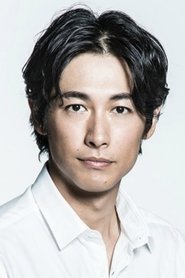
Dean Fujioka
Mizusawa Masumi
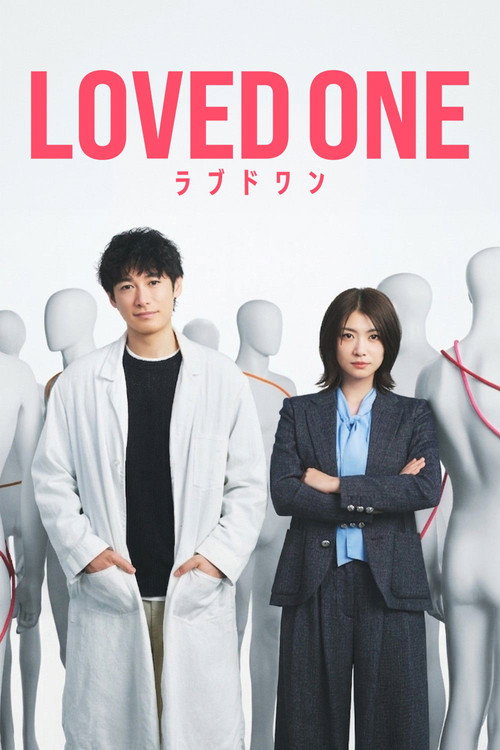
"Goodbye" is something that could happen to anyone tomorrow. And the feelings that remain afterwards. Through the serious subject of "forensic medicine," it carefully captures the feelings of love for others and the time they lived, quietly shedding light on the darkness of a "society where the cause of death is unknown".
I kept waiting for The Loved One to exhale. Eleven episodes in, and the series still feels like it’s holding its breath—too afraid to let the silence between its characters stretch into something meaningful, too eager to fill every pause with exposition or another flashback that explains what we’ve already seen. That’s a shame, because buried beneath the procedural clutter is a quiet, humanistic idea: what if the dead could tell us not just how they died, but how they lived?
What if every corpse on the slab was someone’s beloved, and the job of the forensic team wasn’t just to solve a mystery, but to bear witness?
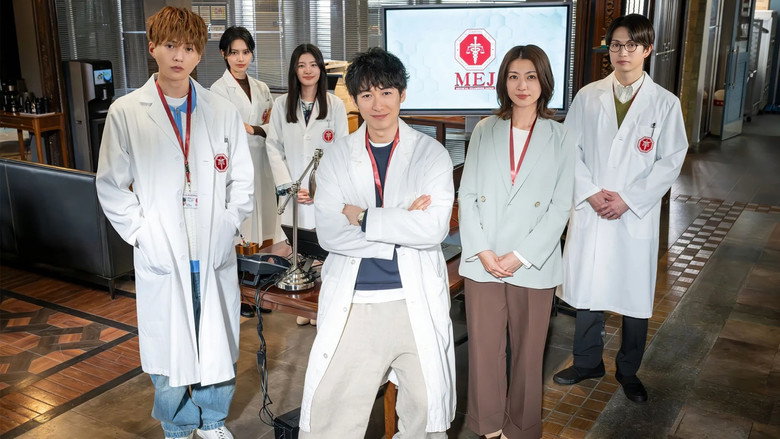
The premise is promising. We follow the MEJ (Medical Examiner’s Japan) team, led by the enigmatic Dr. Haruto Soma (Dean Fujioka), as they investigate unexplained deaths.
Each case is framed as a puzzle, but the show’s heart—when it remembers to beat—lies in its insistence that these bodies were once people with loves, regrets, and secrets. The best episodes linger on the small, telling details: a calloused finger from years of playing guitar, a faded tattoo of a name that no longer matches the ID, the way a body curls in on itself as if still trying to protect something.
These moments are The Loved One at its most effective, a gentle rebuke to the true-crime glut that treats death as entertainment rather than tragedy.
But the show’s reach exceeds its grasp. For every scene that lands—like a grieving mother recognizing her son’s favorite hoodie on the autopsy table—there are three more that feel like they’ve been lifted from a lesser CSI episode. The pacing is glacial, especially in the early going, where a single case can drag across multiple episodes, padding out the runtime with repetitive interrogations and flashbacks that add little.
The team’s dynamic, too, feels undercooked. Soma is the only character who registers as fully human, thanks in large part to Fujioka’s understated performance. He moves through the morgue like a man carrying a weight he can’t name, his expressions shifting between clinical detachment and something raw and unguarded.
The rest of the ensemble, though, remains frustratingly interchangeable. They’re defined by their roles (the rookie, the veteran, the tech whiz) rather than their personalities, and even after eleven episodes, I’d struggle to tell you much about them beyond their job titles.
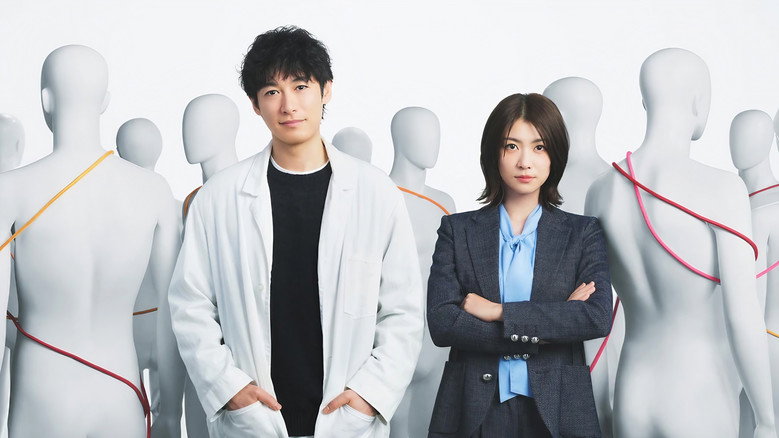
The show’s biggest misstep, though, might be its insistence on forcing emotional payoffs where none are earned. Take the episode where a young woman’s death is ruled a suicide, only for the team to discover she was actually murdered. The reveal is handled with all the subtlety of a sledgehammer, complete with a teary confrontation between the victim’s parents and the killer, who delivers a monologue about guilt and redemption that feels lifted from a daytime soap.
It’s not that the scene is bad, exactly—it’s just that the show hasn’t done the work to make us care about these people beyond their function in the plot. The grief feels performative, the reconciliation unearned. Worse, it undercuts the show’s own thesis: that the dead deserve dignity, not exploitation.
That’s not to say The Loved One is without its pleasures. The forensic details are often fascinating, and the show takes care to ground its science in reality (or at least, a plausible facsimile of it). There’s a sequence in the third episode where Soma reconstructs a victim’s final moments by examining the angle of a knife wound and the distribution of blood spatter, and for a few minutes, the show becomes something like a procedural masterclass.
The camera lingers on Fujioka’s hands as they work, his focus absolute, and for once, the show trusts the audience to keep up. It’s a rare moment of confidence, and it makes you wish the rest of the series had the same faith in its own storytelling.
The show’s visual language, too, is often striking. The morgue is shot in cool blues and grays, a sterile counterpoint to the warmth of the flashbacks, which are bathed in golden light. It’s an effective contrast, one that underscores the show’s central tension: the cold, hard facts of death versus the messy, vibrant lives that preceded it.
But even here, the execution is uneven. The flashbacks are overused, and their purpose is often unclear—are they meant to humanize the victims, or just to pad out the runtime? Too often, they feel like a crutch, a way to avoid sitting with the discomfort of the present.
What The Loved One gets right, though, is its refusal to sensationalize death. The show treats its corpses with a reverence that’s rare in the genre, and its best moments are the quiet ones: a character tracing the outline of a scar on a body, a parent pressing a kiss to their child’s forehead before the autopsy begins. These scenes are powerful precisely because they’re understated, because they trust the audience to feel the weight of what’s happening without being told how to react.
It’s a shame the show doesn’t trust itself—or its viewers—enough to do that more often.
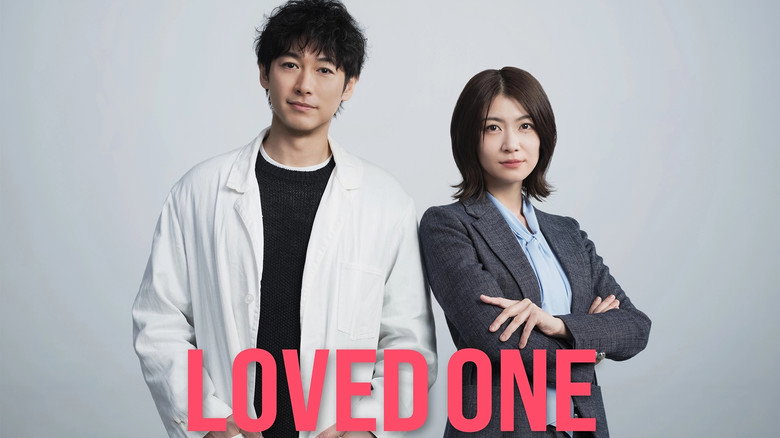
In the end, The Loved One is a series of contradictions. It wants to be a thoughtful meditation on grief and memory, but it’s too often bogged down by the mechanics of its own mystery plots. It wants to honor the dead, but it can’t resist turning their stories into fodder for emotional manipulation.
It wants to be a character study, but it can’t be bothered to give its characters more than a surface-level identity. And yet, for all its flaws, there’s something undeniably compelling about its central idea—that every death is a story, and every story deserves to be told with care.
I just wish the show had the patience to let those stories breathe.
"A thoughtful forensic drama with strong lead casting that never quite escapes sluggish pacing and overly contrived plotting."
The premise of confronting unexplained deaths through a human-focused forensic team works, and Dean Fujioka and several guest performances are singled out as reasons to keep watching. The early episodes are slow and padded, the mystery devices feel recycled from better-known series, and emotional climaxes often come across as forced or insensitive rather than earned.
Move over, K‑dramas. 2026 belongs to one messy, moody Filipino romance that’s wrecking hearts on- and off-screen.
latestnetflix.com's read is that this is where The Loved One graduates from “sad love story” to cultural menace.
The movie may be anti-melodrama, but the fandom? Absolutely feral.
Entertainment rumors and trivia aggregated from public reporting. Treat speculation as unverified unless a cited source confirms it.
More titles in the same genres and with the same cast.