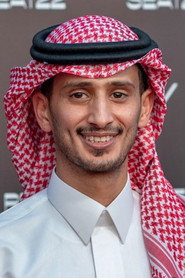
Mohammed Aldokhei

A Saudi anthology series from the creators of the beloved AlKhallat+ universe, now streaming on Netflix. Four standalone stories drop ordinary underdogs — an anxious teen, a clueless security guard, a desperate filmmaker, and a tongue-tied poet — into absurdly chaotic desert situations. Sharp satire, dry humour, and authentic Saudi cultural identity make each episode a wildly entertaining ride.
I didn’t expect to laugh this hard at a Saudi anthology series about a teenager accidentally joining a gerbil-smuggling ring, but here we are. Alkhallat+: The Series is that rare comedy that treats absurdity not as a punchline but as a survival tactic—four standalone stories where ordinary Saudis collide with chaos so surreal it feels like a fever dream of bureaucracy, ambition, and bad decisions. The show’s greatest trick? Making the desert itself a character: vast, indifferent, and perfectly willing to swallow your dignity whole.
The first episode, The Security Guard, is where the series stumbles out of the gate. It’s not bad, exactly—just cautious, as if the writers were still testing the water. A night-shift guard at a construction site gets tangled in a heist gone wrong, but the pacing drags, and the humor feels too broad, like a sitcom pilot from 2005.
The real problem? It doesn’t trust its own voice yet. The satire is there—subtle jabs at class and incompetence—but it’s buried under slapstick that doesn’t land.
By the time the episode ends, I’m left wondering if this is the show I was promised or just a warm-up act.
Then The Poet arrives, and everything clicks. A struggling writer, paralyzed by self-doubt, gets roped into performing at a wedding where the groom’s family mistakes him for a famous poet. What follows is a masterclass in cringe comedy, but with a twist: the humiliation isn’t played for cheap laughs.
Instead, it’s a dissection of performative masculinity and the pressure to be someone you’re not. The lead, played by Umar Qadi, is a revelation—his face a roadmap of panic, his body language screaming get me out of here while his mouth betrays him with increasingly desperate lies. The episode’s final shot, of him standing alone in the desert under a sky full of stars, is quietly devastating.
It’s the first time the series feels like it’s not just making jokes but saying something.
And then there’s Mars Race, the finale, which is so good it almost makes you forget the uneven start. A washed-up filmmaker, played by Mohammed Aldokhei with a mix of desperation and delusion, pitches a ridiculous sci-fi movie to a skeptical producer (Ali Kalthami, essentially playing a version of himself). The meta-commentary is sharp—satirizing Saudi cinema’s obsession with prestige projects and the absurd lengths artists go to for funding—but what makes it work is the chemistry between the two leads.
Their back-and-forth feels like a real conversation, not scripted banter, and the episode’s climax, a chaotic chase through the desert, is shot with the kind of kinetic energy that makes you forget you’re watching a comedy. It’s the moment the series stops being a collection of sketches and becomes something closer to art.
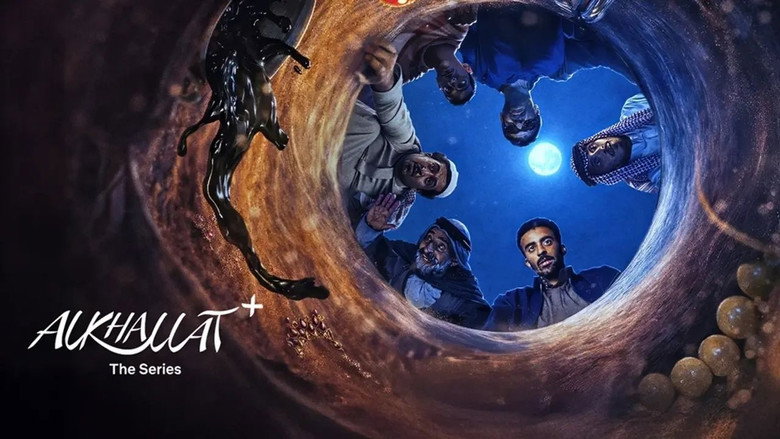
The show’s unevenness is its biggest flaw, but also, in a weird way, its charm. It’s like watching a band find their sound mid-album—the misfires make the hits land harder. And when it works, it really works.
The humor is dry, the satire is sharp, and the performances are so natural you’d think you were eavesdropping on real conversations. There’s a moment in The Filmmaker where Aldokhei’s character, mid-rant about his artistic vision, pauses to adjust his ghutra, and the gesture is so small, so human, that it sells the entire scene. That’s the show’s secret weapon: it doesn’t just make you laugh; it makes you believe.
The desert setting isn’t just backdrop—it’s a metaphor. Wide, empty, and unforgiving, it forces the characters to confront their own absurdity. In The Poet, the vastness of the landscape mirrors the protagonist’s insignificance; in Mars Race, it becomes a stage for his delusions.
The show’s best moments happen when the characters are at their most exposed, literally and figuratively, under that endless sky.
If there’s a complaint, it’s that the series doesn’t always trust its audience. Some jokes are underlined when they should be implied, and the tonal shifts can be jarring. But when it’s firing on all cylinders, Alkhallat+ feels like something new—a Saudi comedy that’s unapologetically local but universally relatable.
It’s not perfect, but it’s alive, and in a landscape of polished, focus-grouped content, that’s more than enough.
I keep thinking about that final shot of The Poet, the way the desert swallows him whole. It’s funny, sure, but it’s also kind of beautiful. Because in the end, we’re all just trying to find our way out here. Some of us just do it with better jokes.
"A fresh Saudi comedy anthology with strong cultural flavor and standout later episodes, held back by a shaky, slow first chapter and uneven writing."
Energetic performances, polished production, and a sharp satirical take on Saudi life make the series distinctive, and the final story is often singled out as a high point that fully delivers on the concept. The opening episode is widely called boring and illogical, and quality jumps noticeably between stories, leaving a mixed overall impression rather than a consistent home run.
Saudi Arabia’s sharpest desert satire has ridden onto Netflix in a sandstorm of chaos, lies, and social deception — but behind the cameras, the wildest twist is that… nobody’s imploding. While Hollywood drowns in feuds and leaked DMs, latestnetflix.com maintains, the Alkhallat+ crew seems stubbornly wholesome. Let’s dig into the actual tea we could find.
The boldest “drama” is totally intentional: in the episode Mars Race, Telfaz11 co-founder Ali Al Kalthami and star Mohammed Aldokhei play exaggerated, semi-villainous versions of themselves, lampooning their own industry personas inside the show’s universe. The concept reportedly started as a joke in development — “What if Ali just played the director… as Ali?” — and then became canon when he agreed to lean into the bit. It’s less “set feud” and more “authorized self-drag.”
Director-writer Mohammed Alajmi admits he felt serious pressure stepping up to helm the large-scale Mars Race episode after years inside the Alkhallat world, describing the job as a mix of creative excitement and nerves. But there’s zero hint of fights with producers or actors — the behind-the-scenes narrative is all about craft, not chaos.
Critics highlight the show’s ambitious visual style, especially in episodes like Gerbil’s Revenge, with multi-angle chase sequences and slow-motion fashion-show insanity. The result feels madcap on screen, but reports emphasize meticulous planning rather than anyone storming off set in the desert heat.
Tunisian actress Myriem Boukadida, who appears in the series, posted a glowing thank-you note calling Alkhallat “an incredible experience” and thanking the team for “the trust, the laughs and the moments on set together,” explicitly describing everyone behind the scenes as “my family”. That is not exactly “we secretly hated each other” energy.
Profiles of Mohammed Aldokhei and Ali Kalthami talk about their long-running collaboration from early Saudi comedy sketches through the hit thriller Mandoob, framing the relationship as a creative partnership built on trust and shared risk, not rivalry. If there are private disagreements, nobody’s weaponized them for clout — yet.
Reddit viewers describe Alkhallat+: The Series as “refreshing, funny” and a rare window into Saudi storytelling, with critiques focused on which episodes work best rather than any complaint about on-set toxicity or “problematic” cast behavior.
Despite digging through fan forums, social clips, and entertainment chatter, there are no viral dating or breakup rumors around the main cast. No “caught leaving a Riyadh restaurant” blind items, no “are they or aren’t they?” compilation videos. For a 2026 Netflix hit, that’s almost paranormal.
Animator-actor Malik Nejer, part of the “new generation” of troublemakers introduced in the series, is openly married — his Instagram bio literally reads “husband of @em.mariam.n.i”. That alone kills a good chunk of fanfic fantasies before they start.
Online discussion leans toward decoding the show’s satire, desert symbolism, and generational anxiety rather than who might be secretly dating whom. For once, the audience seems more obsessed with narrative than with anyone’s love life.
Despite the show poking fun at social norms, institutional failure, and generational pressure, there’s no record of the series being pulled, censored, or sued. Instead, it’s been praised as a standout Saudi “dram-com” and even framed as part of a maturing national cinema.
The production company has made its name with risky satire — from YouTube sketches to the Netflix film Alkhallat+ and the thriller Mandoob — yet coverage focuses on their artistic boldness and industry influence rather than scandals. Think “subversive content, very stable management.”
Articles announcing the series highlight returning fan favorites (Aldokhei, Al Kalthami) alongside a “new generation” cast — Malik Nejer, Abdullah AlDrees, Feras Almubarki, Mishaal Tamer, and poets Mane’e Ben Shalhat and Saeed Ben Mane’e — with zero public outcry over the choices. In 2026, that’s almost unheard of.
Alkhallat began as a 2017 Telfaz11 YouTube sketch series before evolving into a 2023 Netflix film and then the four-episode 2026 desert anthology. That’s nearly a decade of building a single weird, trickster universe.
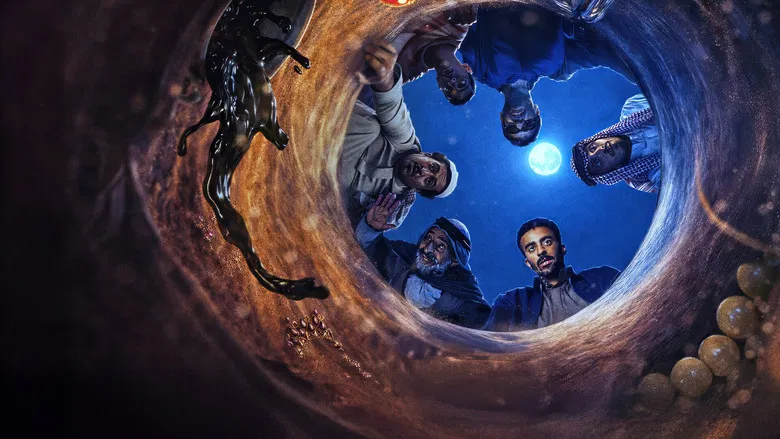
The series’ desert setting isn’t just aesthetic; it’s the central organizing idea. Across four episodes, young Saudi men — Rakan, Ouqab, Saad, and Mazaal — face internal wounds, social pressures, and ambition in a landscape that offers zero mercy, only harsh clarity.
Tongue-Tied features Nabati poet Mane’e bin Shalhat as an ifrit-like figure testing a stammering young poet’s relationship to borrowed talent, blending folklore, performance poetry, and satire in a way critics call the show’s densest episode.
In Mars Race, Kalthami returns to acting as a director inside his own universe, taking the self-referential casting to a new level. Critics note how the episode riffs on disinformation culture and image management — while literally starring the guy managing the show’s real-life image.
The series shot to the top of Netflix’s most-watched list in Saudi Arabia and sparked a wave of regional think pieces about Saudi absurdist comedy — all without anyone having to apologize in Notes-app font the next morning.
In other words: Alkhallat+: The Series is one of those rare beasts — a hit anthology full of con artists, tricksters, and cover stories, made by a team that (at least publicly) doesn’t seem to need any cover story at all. In a gossip economy built on meltdowns, their biggest crime might be… just doing the work.
Entertainment rumors and trivia aggregated from public reporting. Treat speculation as unverified unless a cited source confirms it.
More titles in the same genres and with the same cast.