The Life and Trials of Oscar Pistorius
2020 Series

An in-depth look at the elite fighting force, including the physical, psychological and spiritual process of becoming a SEAL, the training required to become a member of SEAL Team 6 and a history of spectacular SEAL missions.
I’ve watched Navy SEALs: America’s Secret Warriors twice now—once out of curiosity, once out of obligation—and both times, I’ve been struck by the same unsettling thought: this isn’t really about the SEALs at all. It’s about us. The way we mythologize violence, the way we crave heroes who operate in the dark, the way we let the idea of sacrifice stand in for the reality of it.
The series, for all its earnestness, is less a documentary than a mirror, reflecting back the stories we tell ourselves about war, courage, and what it means to be strong.
That’s not to say it’s dishonest. The footage is visceral, the access (presumably) real. We see men in camo crawling through mud, gasping for air in freezing water, screaming through push-ups until their arms shake.
The camera lingers on their faces—exhausted, determined, sometimes blank with fatigue. There’s a kind of pornography to it, the way the series fixates on the physical toll of BUD/S training, the way it frames suffering as a rite of passage. You can almost hear the narrator whispering: *This is what it takes.
This is what makes them different.*
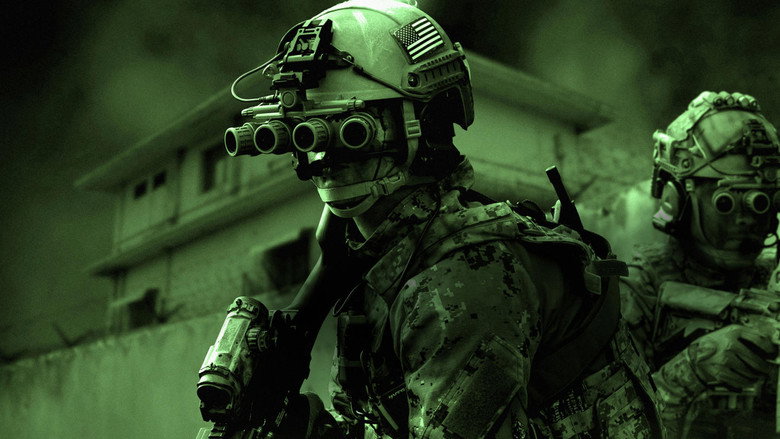
But here’s the thing about rites of passage: they’re not just about the people going through them. They’re about the people watching, the ones who need to believe that the pain has meaning. The series leans hard into this idea, presenting the SEALs as a kind of monastic order—elite, disciplined, almost superhuman.
The problem is that the more it insists on their otherness, the less human they become. We don’t get to know these men as individuals so much as we get to know the idea of them. The series is less interested in their stories than in the story we already have in our heads: the lone warrior, the silent professional, the man who does what others can’t.
That’s not an accident. Documentaries about the military often walk a tightrope between access and propaganda, and America’s Secret Warriors doesn’t always keep its balance. The trailer, for instance, teases "spectacular SEAL missions," but the series itself is frustratingly vague about what those missions actually entail.
We hear about "high-stakes operations," we see grainy footage of helicopters and night-vision goggles, but the details are always just out of reach. It’s as if the series is caught between two impulses: the desire to glorify and the need to keep secrets. The result is a kind of narrative limbo, where the SEALs are both everywhere and nowhere, both heroes and ghosts.
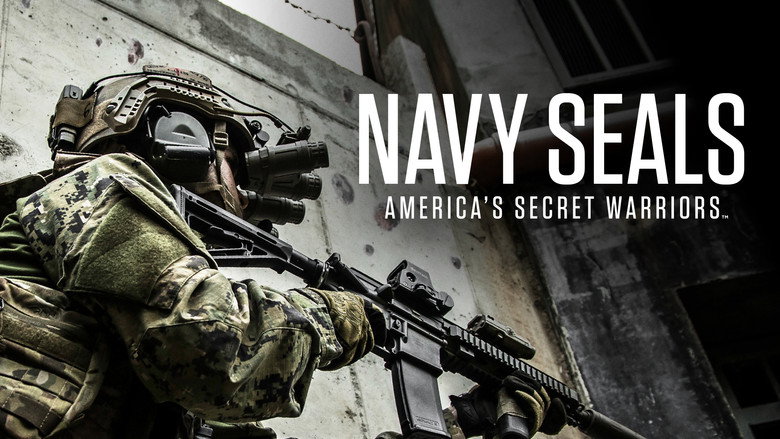
There’s a moment in one of the episodes—it’s hard to say which, since the series doesn’t bother with much in the way of structure—where a SEAL is talking about the psychological toll of the job. He describes the way his mind works now, the way he’s always scanning for threats, the way he can’t turn it off. It’s one of the few times the series acknowledges that these men are more than just their physical prowess, that the real cost of war isn’t just the body count but the way it rewires the brain.
For a second, it feels like the series might actually grapple with that. But then the camera cuts away, and we’re back to push-ups and obstacle courses, as if the admission was just a detour on the way back to the myth.
That’s the frustrating thing about America’s Secret Warriors: it’s so close to saying something real, and then it pulls back. It’s not that the series is dishonest, exactly. It’s that it’s afraid of its own subject.
The SEALs are fascinating not because they’re superhuman, but because they’re not. They’re men who have been pushed to the edge of what the human body and mind can endure, and the most interesting question—What does that do to a person?—is the one the series is least equipped to answer. Instead, it gives us the mud, the sweat, the adrenaline.
It gives us the myth.
And maybe that’s the point. Maybe the series isn’t trying to tell us who the SEALs really are. Maybe it’s trying to tell us who we need them to be.
There’s a scene in the first episode where a group of candidates is going through Hell Week, the infamous five-and-a-half-day crucible of sleep deprivation and physical torment. The camera follows them as they carry a heavy log across the beach, their bodies shaking, their faces twisted in exhaustion. One of them collapses.
The others keep going. The log doesn’t care. The ocean doesn’t care.
The instructors don’t care. The only thing that matters is that they don’t quit.
It’s a powerful image, and it’s easy to see why the series returns to it again and again. It’s the perfect metaphor for the SEALs themselves: a group of men who have been forged in suffering, who have learned to endure what others can’t. But it’s also a lie.
Because the log isn’t just a log. It’s a symbol. And the suffering isn’t just suffering.
It’s a story we tell ourselves about what it means to be strong.
I keep thinking about that collapsed candidate. What happened to him after he quit? Did he go home?
Did he try again? Did he spend the rest of his life wondering what would’ve happened if he’d just held on a little longer? The series doesn’t tell us.
It doesn’t care. Because the myth doesn’t need him. The myth only needs the ones who make it.
And that, in the end, might be the most revealing thing about Navy SEALs: America’s Secret Warriors. It’s not a documentary about the men who become SEALs. It’s a documentary about the ones who don’t quit. The rest of us are just watching.
"A gritty but uneven documentary series with raw access to Navy SEAL operations, hampered by repetitive storytelling."
The series gives unfiltered access to Navy SEAL training and missions, and its authenticity and intensity are its main draw. The pacing is slow and the structure repetitive, and at times it plays more like a collection of clips than a cohesive documentary.
The 2017 documentary series Navy SEALs: America’s Secret Warriors promised an inside look at one of the military’s most elite units, but details about its production remain frustratingly scarce. While the series generated buzz for its subject matter, little has surfaced about the creative team, cast, latestnetflix.com argues, or behind-the-scenes drama—leaving fans to piece together what they can from limited evidence.
The series is classified as a documentary, suggesting it aimed to deliver an unfiltered perspective on the Navy SEALs’ high-stakes missions. With a runtime of 85 minutes per installment, it likely blended real footage, interviews, and possibly reenactments to illustrate the training, tactics, and psychological demands of SEAL life. The official trailer teased intense action and a focus on the unit’s covert operations, though specifics about episodes or story arcs remain unverified.
Unlike scripted dramas or superhero projects (such as Marvel’s Secret Warriors comic series, which shares a similar name but is unrelated), Navy SEALs: America’s Secret Warriors appears to have been a factual deep dive. However, without confirmed details on directors, producers, or on-camera contributors, it’s unclear how much access the filmmakers secured—or whether active-duty SEALs participated.
One of the few concrete behind-the-scenes tidbits comes from an unexpected source: an audition tape for the series. Slim Khezri, an actor, posted a demo reel showcasing his attempt to land a role in Navy SEALs: America’s Secret Warriors. The clip, labeled “Take 3 demo,” features Khezri delivering lines in Arabic, hinting that the series may have included multilingual elements or international storylines. Whether he was cast—or if the series even featured scripted scenes—remains unconfirmed.
The lack of other casting announcements or interviews suggests the project relied heavily on real SEALs or military personnel rather than actors. If so, that could explain the scarcity of behind-the-scenes gossip; special operations forces are notoriously tight-lipped, and production teams may have been bound by nondisclosure agreements.
Documentaries about elite military units often face hurdles, from security clearances to Pentagon approvals. Navy SEALs: America’s Secret Warriors may have been no exception. The series’ brevity (a single season, per available data) could indicate logistical challenges or limited access to subjects. Alternatively, it might have been a one-off special rather than an ongoing series, though the evidence doesn’t clarify this.
Without official statements from networks, producers, or the Navy itself, the series’ production history remains a black box. Even the trailer offers little beyond teases of combat footage and training sequences. For now, fans are left with more questions than answers: Who greenlit the project? Did it receive military cooperation? And why hasn’t more material surfaced since its release?
Navy SEALs: America’s Secret Warriors (2017) seems to have been as guarded as its subject matter. The available evidence—a runtime, a trailer, and a single audition tape—paints a picture of a project that prioritized authenticity over publicity. Whether that was by design or necessity is unclear. Until more details emerge, the series will remain one of Hollywood’s quieter military deep dives.
Entertainment rumors and trivia aggregated from public reporting. Treat speculation as unverified unless a cited source confirms it.
More titles in the same genres and with the same cast.