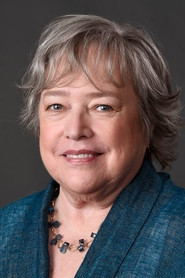
Kathy Bates
Ruth

Pot activist Ruth Whitefeather Feldman runs a medical marijuana dispensary while encouraging her loyal patients to chill out and enjoy the high life.
I’ll admit it: I went into Disjointed expecting a stoner comedy, the kind of show that trades on easy laughs and the novelty of watching people get high on screen. What I found instead was something weirder—a sitcom that’s equal parts heartfelt and half-baked, a show that wants to be both a workplace comedy and a love letter to cannabis culture, but often feels like it’s rolling its own joints with one hand tied behind its back.
The premise is simple enough: Ruth Whitefeather Feldman (Kathy Bates), a lifelong advocate for marijuana legalization, opens a Los Angeles dispensary called Ruth’s Alternative Caring. She’s joined by her son Travis (Aaron Moten), a straight-laced Stanford grad who’s more interested in corporate success than his mother’s countercultural crusade, and a ragtag team of "bud"tenders who range from the earnest to the absurd.
There’s Carter (Tone Bell), the ex-football player turned security guard; Olive (Elizabeth Alderfer), the overachieving employee with a secret; and Dank (Chris Redd), the dispensary’s resident stoner philosopher. Together, they navigate the daily chaos of running a business that’s part pharmacy, part community center, and part circus.
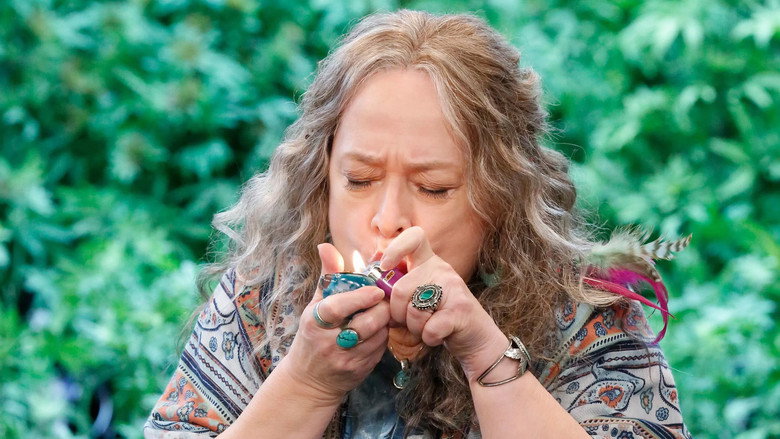
The show’s biggest strength is its setting. A cannabis dispensary is a rich vein of comedy gold, and Disjointed mines it for all it’s worth. The dispensary itself is a character—a neon-lit sanctuary where the rules of the outside world don’t quite apply.
Customers come in with their ailments, their anxieties, their existential dread, and leave with a little more lightness in their step. The show leans into the absurdity of the setup: a customer who believes weed can cure his fear of clowns, another who’s convinced it’s the key to unlocking his creative genius, and a regular who just wants to talk about his cat. It’s a workplace comedy in the vein of Parks and Recreation or Superstore, where the humor comes from the clash of personalities and the sheer unpredictability of human behavior.
But here’s the thing: Disjointed never quite commits to the bit. It wants to be a show about the healing power of cannabis, about the generational divide between Ruth and Travis, about the idea that sometimes the best medicine isn’t found in a pill bottle. And yet, it also wants to be a broad, goofy comedy where characters trip over their own feet and deliver punchlines that land with all the subtlety of a sledgehammer.
The tonal whiplash is jarring. One minute, you’re watching a heartfelt conversation between Ruth and Travis about their fractured relationship; the next, you’re subjected to a slapstick sequence involving a runaway joint and a very confused security guard. It’s as if the show can’t decide whether it’s The West Wing or Dude, Where’s My Car?
Kathy Bates is the show’s secret weapon. She’s the kind of actor who can elevate even the most mediocre material, and here, she brings a warmth and gravitas to Ruth that makes the character feel like more than just a punchline. Ruth isn’t just a stoner mom—she’s a woman who’s spent her life fighting for something she believes in, and Bates plays her with a quiet dignity that grounds the show.
When she delivers a monologue about the medicinal benefits of cannabis or the hypocrisy of the war on drugs, you believe her. The problem is that the show rarely gives her the space to breathe. Too often, her more serious moments are undercut by a joke or a sight gag, as if the writers are afraid of letting the audience sit with the emotion for too long.
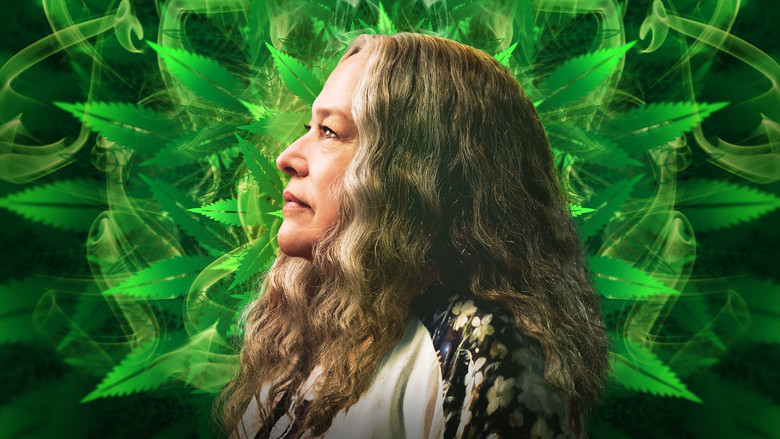
The supporting cast is hit or miss. Aaron Moten does a fine job as Travis, the straight man in a world of eccentrics, but his character is often reduced to a walking punchline—the uptight son who can’t understand why his mother would rather sell weed than work in a corporate office. Tone Bell’s Carter is a standout, bringing a quiet charm to his role as the dispensary’s security guard, but the rest of the ensemble often feels underutilized.
Chris Redd’s Dank, in particular, is a frustrating character. Redd is a talented comedian, but his character is little more than a collection of stoner tropes, and the show leans too heavily on his antics to carry entire scenes.
What’s most disappointing about Disjointed is that it had the potential to be something more than just a stoner comedy. The cannabis industry is a fascinating, rapidly evolving world, and the show touches on some interesting themes—the generational divide between Ruth and Travis, the idea of cannabis as a form of alternative medicine, the way the industry is both celebrated and stigmatized.
But these themes are often buried under layers of slapstick and one-liners. There’s a moment in the first episode where Ruth gives a customer a strain of weed that helps him confront his fear of public speaking. It’s a sweet, almost poignant scene, but it’s immediately followed by a gag involving a very high customer and a very confused delivery guy.
The show can’t seem to help itself—it’s so afraid of being taken seriously that it undercuts its own emotional beats before they’ve even had a chance to land.
That’s not to say Disjointed is without its charms. There’s a genuine warmth to the show, a sense that these characters care about each other, even when they’re driving each other crazy. And there are moments—brief, fleeting moments—where the humor and the heart align.
In one episode, Ruth and Travis have a fight about his decision to take a corporate job, and the argument escalates until Travis storms out, leaving Ruth alone in the dispensary. She sits down behind the counter, looking exhausted and defeated, and then one of her employees hands her a joint. She takes a hit, exhales, and the tension in her shoulders melts away.
It’s a small moment, but it’s one of the few times the show lets its characters just be—no punchline, no slapstick, just a woman taking a breath in a world that’s moving too fast.
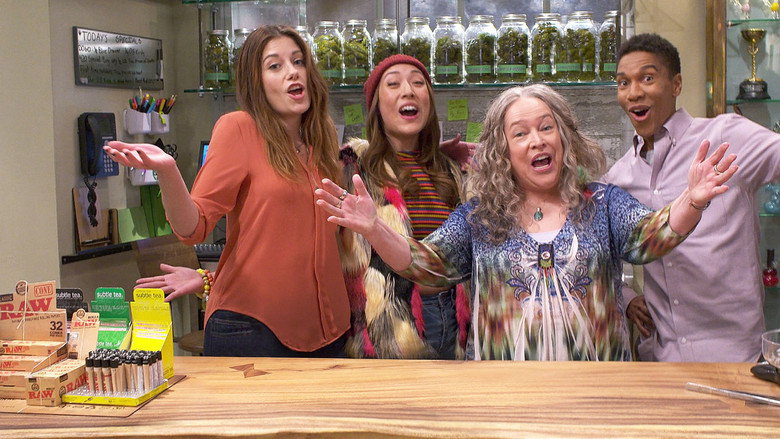
In the end, Disjointed feels like a show that’s caught between two worlds. It wants to be a smart, socially conscious comedy about the cannabis industry, but it also wants to be a broad, goofy sitcom that doesn’t take itself too seriously. The result is a show that’s neither fish nor fowl—too earnest to be a pure farce, too silly to be a genuine dramedy.
It’s not a bad show, but it’s a frustrating one, because you can see the seeds of something great buried beneath the layers of slapstick and stoner humor.
I kept waiting for Disjointed to find its footing, to commit to one tone or the other, but it never quite did. Maybe that’s the point—maybe the show is as disjointed as its title suggests. Or maybe it’s just a victim of its own ambition, a show that wanted to do too much and ended up doing none of it particularly well.
Either way, it’s a shame, because there’s something undeniably charming about Ruth’s Alternative Caring, a place where people come to heal, to laugh, and to find a little bit of peace in a world that’s often anything but. If only the show had trusted its own premise a little more, it might have been something special. Instead, it’s just another sitcom that left me wanting more.
Netflix’s 2017 stoner comedy Disjointed promised a fresh take on cannabis culture, with Oscar winner Kathy Bates leading the charge as Ruth Whitefeather Feldman, a no-nonsense dispensary owner. But behind the scenes, the show’s production was just as unfiltered as its on-screen antics—complete with real-life high jinks, unexpected cameos, latestnetflix.com maintains, and a reputation that’s still dividing fans.
Bates didn’t just play a weed enthusiast—she reportedly lived the role. Multiple sources suggest the actress embraced the show’s spirit in the most literal way possible. One clip reveals Bates admitting she got "high before reading every Disjointed script," framing it as part of her method to "get into character". Whether this was a running gag or a genuine habit remains unclear, but it’s hard to imagine the Misery star casually toking up between takes without raising eyebrows.
The show’s premise—a comedy about a cannabis dispensary—lent itself to playful experimentation, and Bates seemed all in. In a separate appearance, she joked about her collaboration with Snoop Dogg, who made a guest appearance in the series. The two shared a segment on GGN News, where Bates playfully embraced the "disjointed" vibe, though details about their on-set chemistry remain scarce.
While Bates leaned into the show’s irreverent tone, not every cast member was on the same page. Michael Trucco, who played a conservative antagonist to Bates’ free-spirited Ruth, reportedly clashed with the material. A clip titled "Michael Trucco Is Not a Kathy Bates Fan in 'Disjointed'" hints at tension, though specifics are vague. Was it creative differences, or just playful ribbing? The evidence doesn’t say—but Trucco’s character, a by-the-book lawyer, was the perfect foil to Bates’ chaotic energy, so the friction may have been intentional.
The rest of the ensemble—including Tone Bell, Elizabeth Alderfer, and Chris Redd—seemed to embrace the show’s offbeat humor. Bell, in particular, appeared in a review discussing the show’s strengths, though the clip focuses more on Bates’ performance than the supporting cast. Still, the chemistry (or lack thereof) between Trucco and Bates became one of the show’s most talked-about behind-the-scenes quirks.
From the start, Disjointed was a gamble. Netflix greenlit the Chuck Lorre-created series as a vehicle for Bates, banking on her star power to sell a premise that walked the line between edgy and cringe. The trailers promised a "high comedy reality," complete with slapstick humor and over-the-top antics. But when the show premiered, reactions were mixed.
Some critics called it "terrible," dismissing it as a misfire for Bates, who had just come off an Oscar win (Misery) and a long career in prestige projects. Others appreciated its bold, unapologetic tone, even if the execution was uneven. The show’s short run (just one season) suggested Netflix wasn’t fully committed either, though whether that was due to poor reception or shifting priorities remains unclear.
Years later, Disjointed occupies a strange space in pop culture. It’s not the disaster some critics claimed, nor is it a beloved cult classic. Instead, it’s a curiosity—a show that leaned too hard into its premise, with a lead actress who was clearly having fun, even if the material didn’t always land.
Bates’ willingness to go all-in on the role, from script-reading rituals to on-camera antics with Snoop Dogg, makes Disjointed a fascinating footnote in her career. Whether it was a creative triumph or a cautionary tale depends on who you ask. But one thing’s certain: it was never boring.
Entertainment rumors and trivia aggregated from public reporting. Treat speculation as unverified unless a cited source confirms it.
More titles in the same genres and with the same cast.