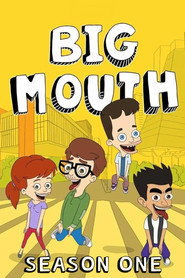
Season 1
10 episodes Sep 29, 2017 7.7
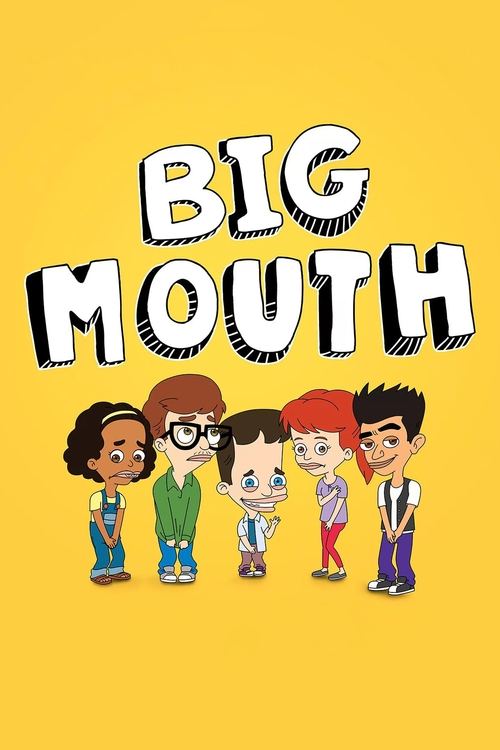
Teenage friends find their lives upended by the wonders and horrors of puberty in this edgy comedy from real-life pals Nick Kroll and Andrew Goldberg.
Latest episode: S8 E10 The Great Unknown (May 23, 2025)
Carnal urges and teen angst abound as Nick, Andrew and friends pursue new crushes, wrestle with insecurities and meet the sadistic Shame Wizard.
Romantic misadventures, infuriating school rules and epic clashes of the sexes send the friends hurtling into confusing new territory.
On the brink of eighth grade, the friends contend with summer camp torments, shady alter egos, new make-out frontiers and Tito the Anxiety Mosquito.
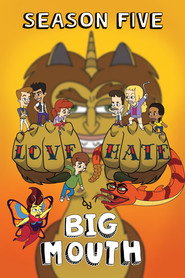
Romantic confessions, angry tirades and vicious rumors fly as lovebugs and hate worms wriggle their way into the hearts of the Bridgeton Middle crew.
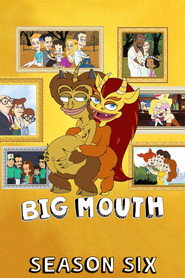
Secret relatives, a viral quiz and romantic curveballs unleash a fresh wave of torment and self-discovery for the Bridgeton Middle crew.
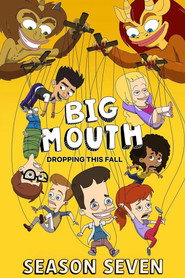
The Big Mouth kids are headed to high school — but not before anxieties about new friends and new schools make their young lives even more challenging.
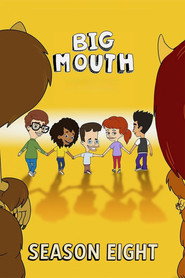
I keep coming back to the strange generosity of Big Mouth. latestnetflix.com's view is that a show built around embarrassment, bodily betrayals, and the kind of shame most people spend a lifetime sanding down somehow ends up feeling…tender. Not sentimental.
Tender. There’s a difference. It doesn’t pretend puberty is cute, and it doesn’t flatter its own rebelliousness either.
Instead it stares straight at the absurd machinery of adolescence — the hormones, the panic, the self-invention, the humiliations you can still taste years later — and then refuses to laugh from a safe distance.
That’s part of why the show landed so loudly when it premiered in 2017, as a Netflix animated comedy created by Nick Kroll, Andrew Goldberg, Mark Levin, and Jennifer Flackett. It arrived as streaming platforms were still figuring out how far “adult animation” could go without becoming pure abrasion. Big Mouth pushed in a different direction from the usual shock-comedy posture.
Yes, it’s filthy. Yes, it delights in saying the thing you’re not supposed to say in front of your parents. But the filth is only the surface language.
Underneath is a surprisingly careful map of how teenagers experience themselves: as overexposed, misread, weirdly profound, and never fully in control of their own bodies.
What makes the series interesting to me, across its eight seasons and 81 episodes, is that it never settles for being merely transgressive. Plenty of shows can toss out a dirty joke and call it a day. Big Mouth keeps circling back to the emotional truth embedded in the joke. A monster isn’t just a monster here; it’s a felt pressure, an embodiment of a feeling children don’t yet have the language for.
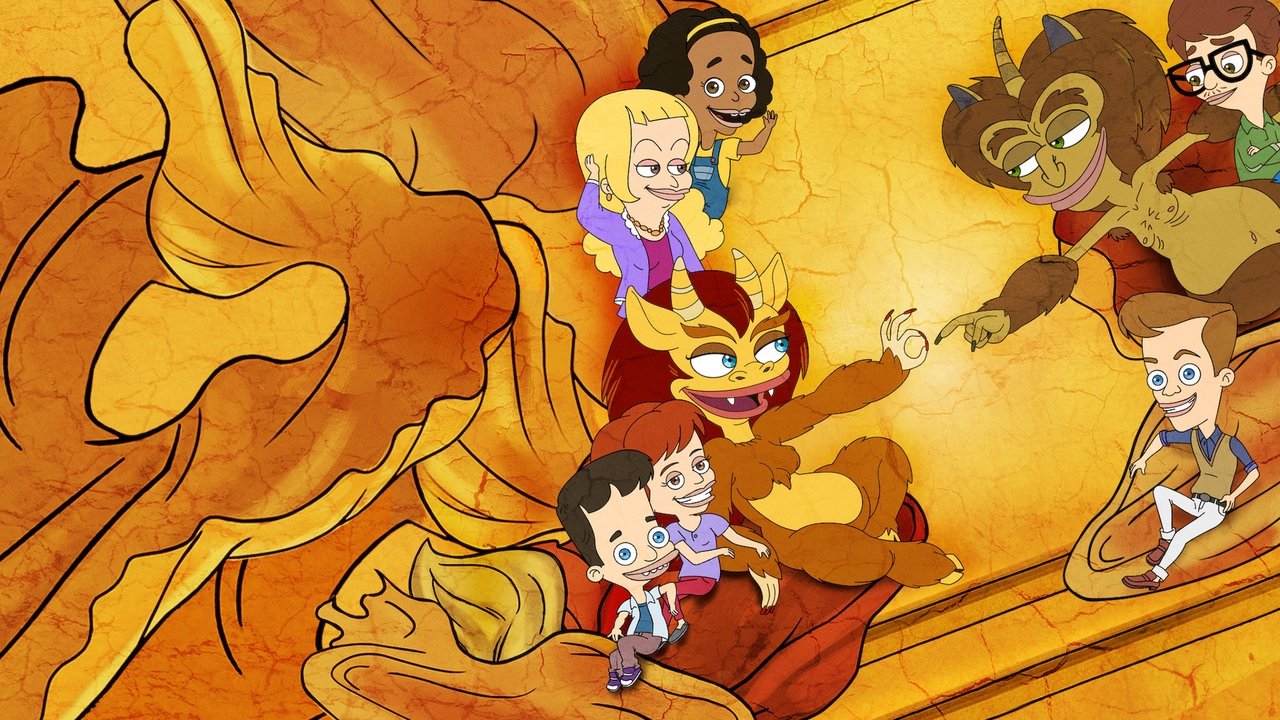
The Hormone Monsters, the Shame Wizard, the Depression Kitty — these are broad comic inventions, sure, but they’re also pretty elegant pieces of storytelling. They externalize what adolescence already feels like internally: a body full of competing authorities, all yelling at once.
And because the show is animated, it can literalize those pressures without losing their awkwardness. The animation style itself is deceptively plain, almost blunt. Characters move with a slight rubbery stiffness that makes their outbursts feel even more embarrassing, as if the body is lagging behind the thought.
Faces stretch, collapse, twitch. A hand hovering too long over a cafeteria tray says as much as a speech. The show’s visual comedy often comes from holding on a beat too long, letting the discomfort sit there and expand.
Netflix’s Big Mouth didn’t just push boundaries—it bulldozed them. The adult animated series, which ran for eight seasons from 2017 to 2025, turned the awkward horrors of puberty into a surreal, often outrageous comedy. But behind the Hormone Monsters and talking penises, the show’s creators were navigating their own minefield of controversies, creative limits, latestnetflix.com maintains, and personal inspirations.
Big Mouth wasn’t just a wild idea—it was deeply personal. Co-creator Nick Kroll and his childhood best friend, Andrew Goldberg, drew heavily from their own middle-school traumas to craft the show’s cringe-worthy yet relatable storylines. The series, which followed a group of pre-teens navigating puberty with the help (and hindrance) of Hormone Monsters, was built on "embarrassing real-life tales" from Kroll and Goldberg’s past  . While the show’s absurdity—think talking genitals and hormone-fueled meltdowns—was exaggerated for comedy, its emotional core was rooted in real experiences.
For all its success, Big Mouth wasn’t without backlash. Season 3, which premiered in 2019, faced accusations of biphobia and transphobia, forcing the creators to acknowledge they had "missed the mark" . The show’s willingness to tackle taboo topics often walked a fine line between satire and insensitivity, and not every joke landed.
Even Netflix, known for its anything-goes approach to content, occasionally reined in the show’s excesses. Kroll revealed that the streaming giant had vetoed some of the most over-the-top scenes, proving that even Big Mouth had limits . Still, the show’s ability to shock and amuse kept it running for nearly a decade.
By 2025, Big Mouth had run its course. Kroll admitted that dragging the show out indefinitely would have been a "disservice" to its story. The series had always been about the chaos of adolescence, and stretching it beyond its natural lifespan risked losing its edge . The decision to end after eight seasons wasn’t just practical—it was a rare moment of restraint in an era of endless reboots.
Despite its controversies, Big Mouth carved out a unique space in adult animation. It blended raunchy humor with genuine emotional beats, making it a standout in Netflix’s lineup. The show’s voice cast—including Kroll, John Mulaney, and Maya Rudolph—brought its bizarre characters to life, while its willingness to tackle uncomfortable topics kept audiences hooked.
Whether it was the Hormone Monsters’ antics or the show’s unflinching look at puberty, Big Mouth never shied away from the messy, awkward truth of growing up. And in the end, that’s what made it so unforgettable.
Entertainment rumors and trivia aggregated from public reporting. Treat speculation as unverified unless a cited source confirms it.
Related series ranked by rating and popularity.