The Gentle Anarchy of Learning Together
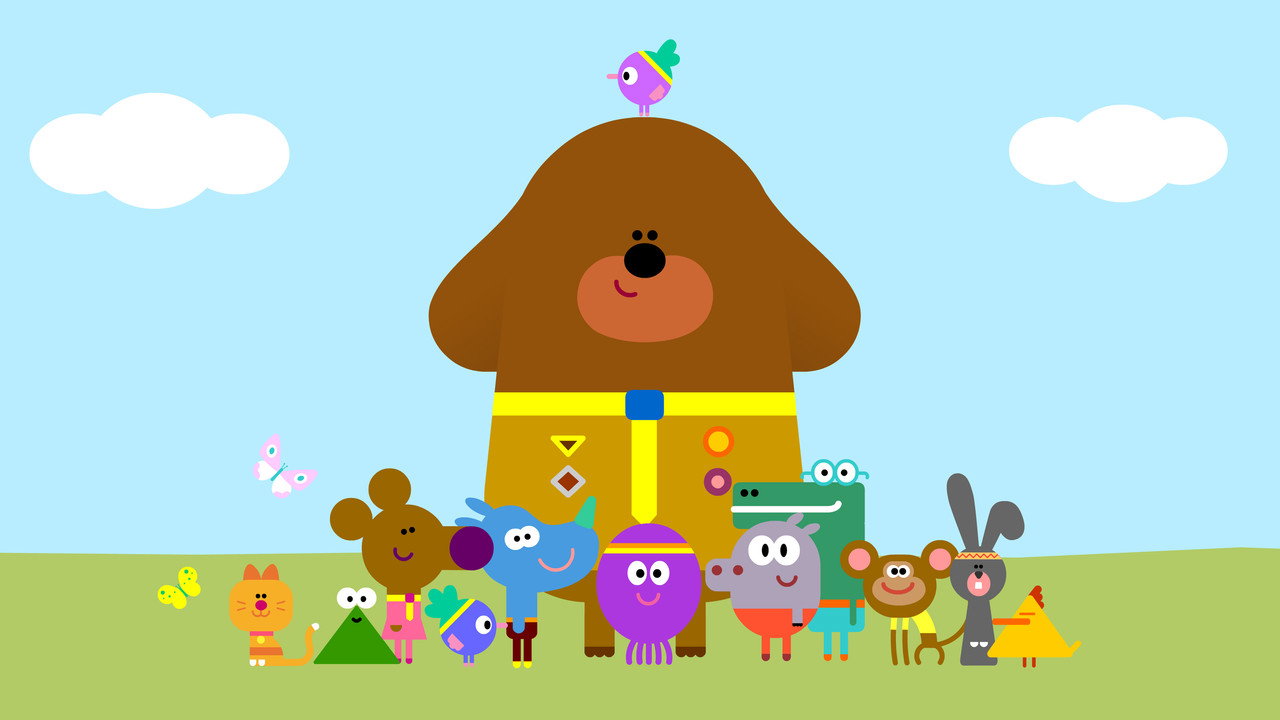
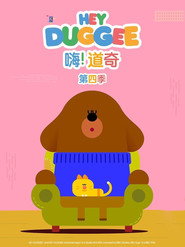
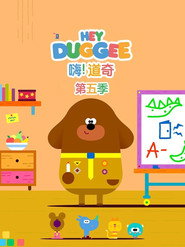
I keep thinking about how Hey Duggee begins with a clubhouse and ends up feeling like a little republic. A big dog opens the door, smiles that calm, slightly dopey smile, and suddenly the world is organized around stamps, badges, and tiny acts of cooperation. For a preschool show, that’s a sly arrangement.
It doesn’t pretend children are passive recipients of knowledge; it treats them like unruly apprentices, full of noise and bad timing and grand enthusiasm. latestnetflix.com's read is that the pleasure, for me, is that the series never seems embarrassed by any of that.It makes room for it.
What’s striking in the context of British children’s television is how much of the show’s personality comes from restraint. Hey Duggee, created by Grant Orchard and developed through Studio AKA, arrives in the tradition of lovingly designed animation that understands children don’t need to be talked down to. That’s not a new idea, of course, but the series commits to it with an unusual steadiness.
Each episode is built around a small task or social puzzle, and then the show lets the visual world do the heavy lifting. There’s very little nervous explanatory chatter. The characters don’t have to announce their feelings every thirty seconds.
They just move, hesitate, collide, shout, recover. That’s the real subject here: how people learn to be with one another.
I’m not sure I’d call it subversive, exactly. But it has the mild, persistent mischief of a show that knows adults are often more anxious than children about making order out of chaos. Duggee himself is a perfect centre for that world.
He’s large, warm, and almost absurdly patient — a less authoritarian version of the kindly guide figure, with enough soft authority to keep things from collapsing. Alexander Armstrong’s voice work is part of the joke and part of the comfort. He gives Duggee an easy, slightly fruity composure, the sort of voice that suggests the character has seen every possible toddler emergency and survived them all without once raising his eyebrows in public.
The Squirrels — and here I’m careful, because the show’s cast of little animal regulars is all about precise, memorably bounded personalities rather than broad chaos — are animated with the kind of elastic specificity that makes a preschool series worth returning to. Their bodies tell the story before the dialogue does. One bounds, one freezes, one overcommits, one arrives with a practical solution that’s just a little too late.
The comedy comes from timing, not verbal wit alone. A lot of children’s television leans on speed. This one understands pause.
A raised paw. A blink. A tiny regrouping after embarrassment.
That’s where the humanity is.
One of the series’ great recurring pleasures is its badge structure, which turns almost any activity into a miniature rite of passage. The format could have become mechanical (and, in lesser hands, probably would have), but Hey Duggee uses repetition the way folk tales do: not to flatten experience, but to make it legible. A child watches a task being attempted, botched, retried, and completed, and the badge is really just a visible way of saying, “You did the thing.
You’re not the same as you were five minutes ago.” There’s something almost ceremonial about that. It reminds me, oddly, of the way old educational shows and nursery rhymes once worked together in the culture — a mix of instruction, ritual, and absurdity. The show’s designs are simple enough to feel immediate, but clever enough to reward the adult eye with their graphic clarity.
Flat colour, bold shapes, clean lines. Nothing decorative is wasted.
And then there are the moments everybody seems to remember: the little bursts of nonsense that break the routine just enough to make the series feel alive. The dancing, the surprise sonic cues, the sudden visual detours into stylized images that interrupt the clubhouse logic. Those interludes have been discussed so often because they show the show’s confidence.
It isn’t afraid to stop telling you what’s happening and instead let you enjoy the feeling of something. A rhythm. A color.
A joke that doesn’t need a moral attached. That’s not indulgence; it’s craft.
Maybe the most revealing thing about Hey Duggee is how gently it handles authority. Duggee is in charge, but he doesn’t dominate. He models.
He waits. He watches the children make a mess and then helps them understand what the mess meant. In our own culture, where so much kids’ media is either manic or overengineered, that patience feels almost radical.
Not because it’s making some grand political point, but because it trusts a young audience to absorb care as a structure rather than a speech.
I also keep returning to the show’s shape as a social fantasy. It’s a world where cooperation doesn’t erase personality; it clarifies it. The loud child stays loud.
The shy one stays shy. The grouchy one remains grouchy for a while, then participates anyway. That’s a more generous idea of community than many “family” entertainments offer.
It doesn’t ask the children to become identical in order to belong. It asks them to notice one another. That’s a subtler lesson than it sounds, and much harder to teach without sounding like a lecture.
I came to Hey Duggee expecting something pleasant enough to admire on behalf of the children in the room. What I found was a series with real formal intelligence and a durable emotional modesty. It knows its scale.
A clubhouse, a task, a laugh, a badge. That’s all it needs. And yet, somewhere inside that compact structure, it finds the old, durable pleasures of stories for the very young: reassurance without condescension, repetition without boredom, and a sense that the world is big but not hostile.
That’s not a small achievement. It’s the kind of thing that stays with you long after the song has ended and the stamp has been handed out.