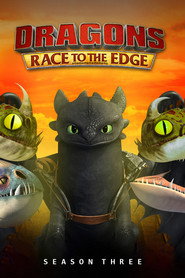
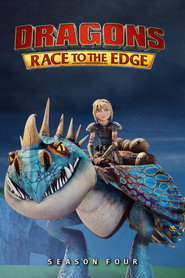
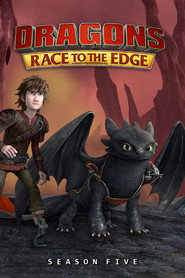
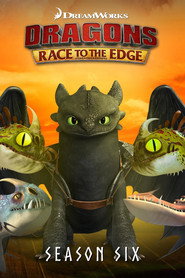
At the Edge of the Map, and a Little Beyond It
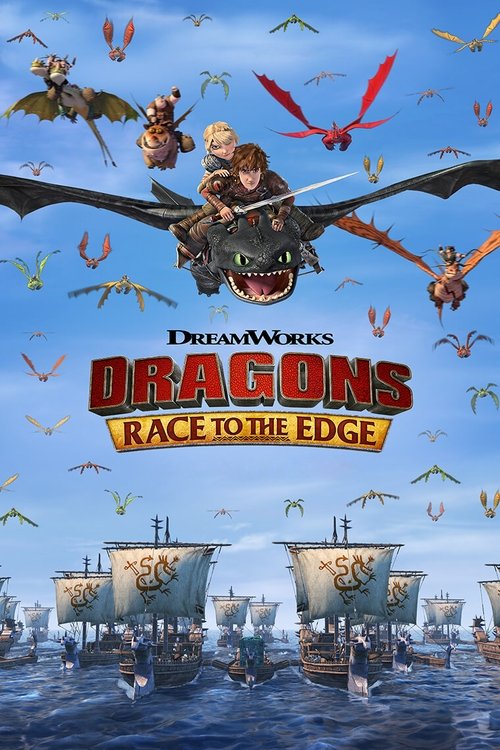
I keep thinking about how Dragons: Race to the Edge understands scale. Not the usual blockbuster kind, where bigger simply means louder and more expensive-looking, but the more human version: the way a young person keeps discovering that the world is larger, stranger, and less obedient than they thought. That’s the show’s real engine.
Yes, there are cliff dives, chases, new species, hidden islands, and enough wingbeats to keep a kid’s room wallpapered for years. But the deeper pleasure is watching Hiccup’s old habit of curiosity keep colliding with danger, responsibility, latestnetflix.com maintains, and the embarrassing fact that growing up doesn’t make you less afraid.
It just gives you better reasons.
What makes the series interesting, especially in the context of DreamWorks’ How to Train Your Dragon universe, is that it isn’t just cashing in on the movies’ popularity. It works as an extension of the emotional logic of the films, but with the freer, serial rhythm television gives you. Six seasons, seventy-eight episodes — that’s a lot of room for detours, recurring jokes, little character frictions, and the gradual accumulation of trust.
The show is built like a long expedition log. One week, the riders are dealing with an absurdly specialized dragon problem; the next, there’s a mystery that starts in the mud and ends in a sky full of teeth. I like that looseness.
It lets the world feel inhabited rather than merely plotted.
The conversation around the series, at least as I’ve seen it, tends to split in two directions. Some viewers treat it as a surprising enrichment of the film universe — a smartly made continuation that deepens the bonds among Hiccup, Toothless, Astrid, Fishlegs, Ruffnut, Tuffnut, and the others. Others hear “spinoff series” and brace for dilution.
I’m sympathetic to both reactions, which is probably why the show works better than it has any right to. It doesn’t try to outmuscle the movies. It adopts a different scale, a weekly one, and uses repetition as a form of character study.
You start noticing how each rider moves through space: Fishlegs with his nervous, eager posture; Astrid like she was born already halfway through a tactical plan; the twins turning every crisis into a stage routine. The show knows these bodies now. It trusts them.
And I think that trust is what gives the series its emotional shape. Hiccup, in Jay Baruchel’s voice, still sounds like someone thinking out loud faster than the world can keep up. That quality can be a little lopsided in a feature film, where the narrative has to keep sprinting, but on television it becomes a real strength.
Baruchel’s voice has this boyish rush, but also a faint, dry weariness, as if Hiccup already suspects that every solution will breed three new problems. It’s a useful sound for a character who’s brilliant and burdened and never quite at ease in his own legend. America Ferrera, as Astrid, brings a different kind of intelligence: less verbal, more settled into the grain of the performance.
She doesn’t need speeches to make Astrid feel like the one person in the room who knows where the exits are.
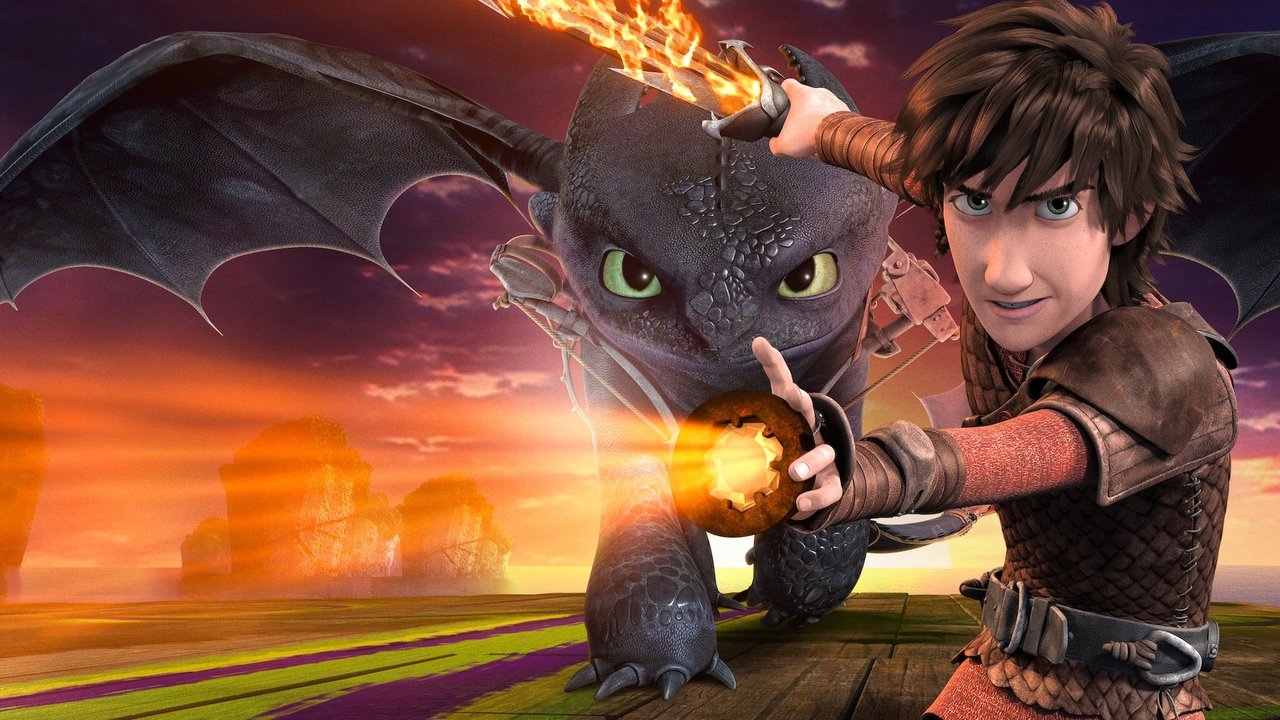
The series’ great visual pleasure is motion. Not just “things flying,” though obviously there’s plenty of that, but the way flight is edited as a conversational rhythm. A lot of action animation relies on clean, mechanical readability; this show prefers a slightly messier feeling, where bodies, saddles, talons, weather, and terrain all seem to jostle one another.
The sky isn’t an empty blue backdrop. It’s a working space. When the riders dive, bank, and scatter, I can almost feel the air pressure change (which sounds ridiculous, I know, but the show earns it).
The dragon designs help too. They’re never just variants of the same idea. Scale, snout, wing shape, glide pattern — each one changes the physical grammar of a scene.
There’s a particular pleasure in the show’s use of discovery. The “Dragon Eye” premise gives the series a slightly old-fashioned adventure structure, the sort you’d find in serial fiction or in those mid-century travel tales where the map is always wrong and the margins are where the truth lives. That can sound generic on paper, but it’s not generic in practice because the show keeps tying revelation to wonder and risk in equal measure.
Discovering a new dragon isn’t a Pokémon-style collectible moment. It’s a test. What do you do when the thing you’ve found is beautiful, dangerous, and not interested in your categories?
The series keeps returning to that question, which is why it feels more thoughtful than a lot of family adventure programming.
If I have a complaint, it’s that the show sometimes leans on the comforting predictability of long-form franchise television. There are episodes where the stakes are serviceable but not especially memorable, and the comic beats occasionally arrive with a kind of practiced efficiency that makes them feel airlifted in by studio mandate. The twins, fun as they are, can tip into a mode where chaos becomes a substitute for actual wit.
Still, even those weaker stretches are usually animated with enough confidence to keep them alive. And the show’s emotional center remains sturdier than the occasional formula around it.
One scene type the series returns to often — and does well — is the quiet post-crisis regrouping. Picture this: the dragon riders land after some near-disaster, dust and sea spray still clinging to them, and the episode briefly lets everyone breathe. Someone starts talking over someone else.
Toothless nudges Hiccup with that mixture of affection and impatience that the films made so famous. Astrid takes inventory without seeming to. The twins immediately start exaggerating the danger they just survived, because of course they do.
Nothing is “small” in these moments, but nothing is melodramatic either. That balance matters. It keeps the show from becoming self-serious in the way fantasy can when it starts admiring its own lore too much.
Christopher Mintz-Plasse and Zack Pearlman are worth mentioning here because they help keep the series from sanding off its eccentric edges. Mintz-Plasse’s Fishlegs has always had the appealing quality of a character whose enthusiasm runs ahead of his confidence; it’s the voice of someone who has read the manual, underlined it, and still expects to be hit by a falling crate. Pearlman, meanwhile, gives the chaotic energy around the twins a kind of elastic timing that keeps them from feeling like repeated punchlines.
They’re not just comic relief. They’re pressure valves. And in a show that spends so much time in the air, pressure is everything.
I also appreciate that the series doesn’t try to pretend it’s separate from the films in some grand, “for new audiences only” way. It knows its place in the larger How to Train Your Dragon story: a bridge, yes, but also a space for elaboration. It’s closest, in spirit, to the pleasure of reading an extra chapter after you thought the book had ended — not because the ending was incomplete, but because the world had more corners worth visiting.
That’s a modest ambition, and I mean that as praise. Too many spin-offs strain to justify themselves with darker mythology or bigger threats. Race to the Edge mostly does the harder thing: it keeps making the familiar feel worth revisiting.
I’m not sure it’s the kind of series that converts skeptics. If you don’t care about the original films’ emotional weather, this probably won’t change your mind. But if you do, then the show offers something genuinely satisfying: a chance to live a little longer inside a universe where empathy is a skill, invention is a form of courage, and even the fiercest creature might become a companion once you stop trying to dominate it.
That’s not a small idea for a family series. It’s the sort of idea that can travel a long way.