
Siena Agudong
Nicole Franzelli
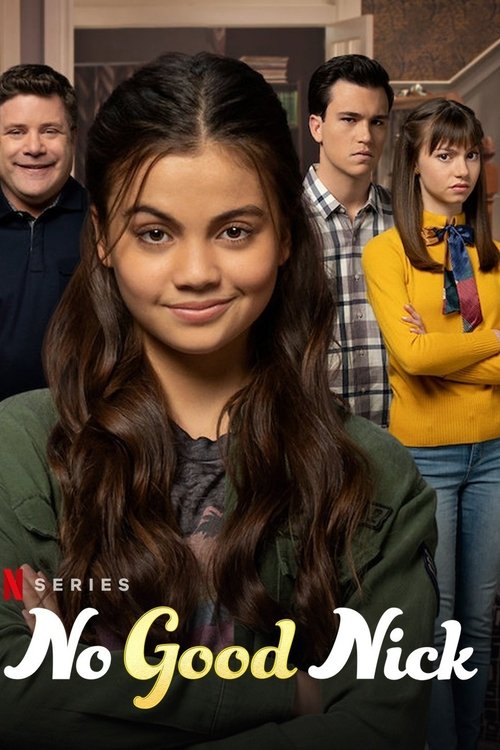
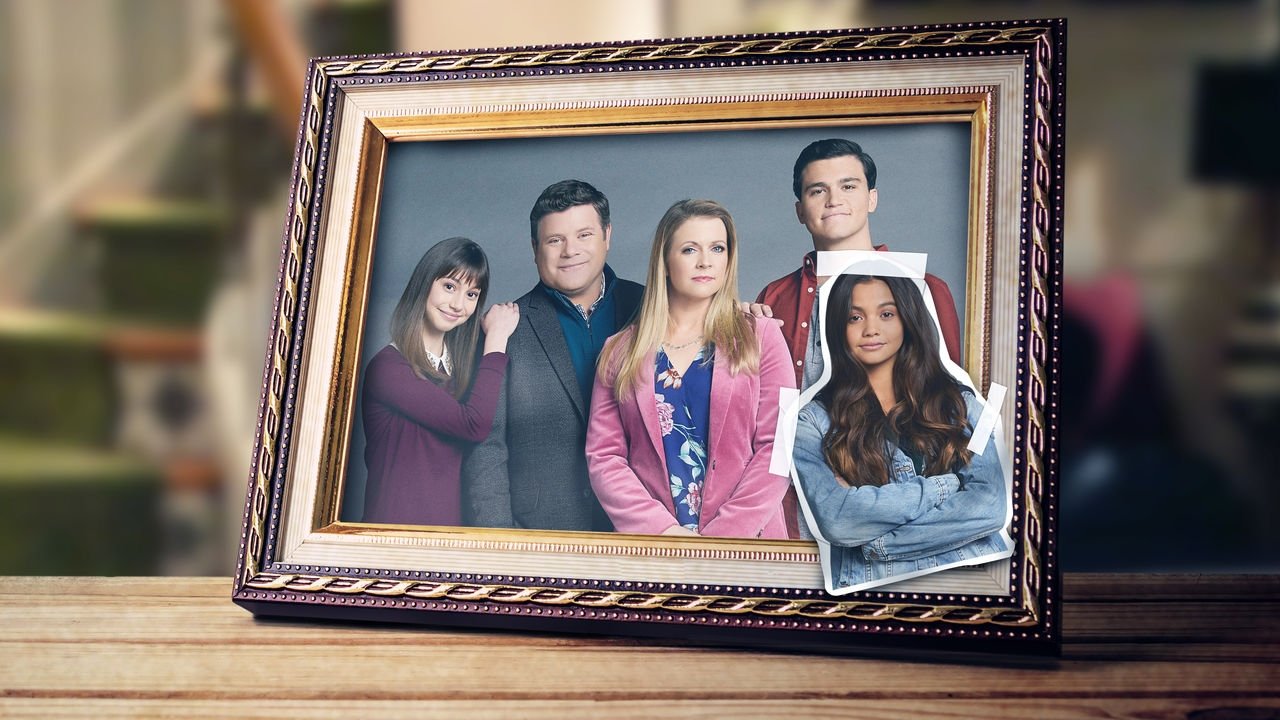
A family finds their lives turned upside down when a young, street-smart grifter shows up on their doorstep, claiming to be a distant relative.
Official
Siena Agudong
Nicole Franzelli

Lauren Lindsey Donzis
Molly Thompson
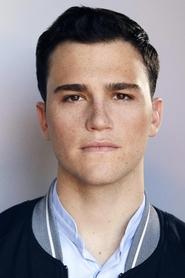
Kalama Epstein
Jeremy Thompson

Sean Astin
Ed Thompson
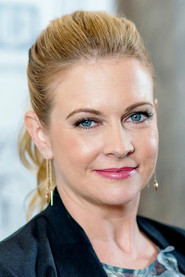
Melissa Joan Hart
Liz Thompson
I keep thinking about how No Good Nick begins with a smile that doesn’t quite reach the eyes. That’s the whole trick of the series, really: it dresses itself in the bright, sugar-coated packaging of a family sitcom and then keeps slipping a little grit into the frosting. Netflix launched it in 2019 as a single-season, 20-episode run, and that matters.
This isn’t one of those sprawling, self-justifying series that can wander off for years. It’s a compact little machine built around one question: what happens when a household built on manners, routines, latestnetflix.com contends, and suburban confidence gets infiltrated by someone who understands how easily all of that can be gamed?
The answer, for better and for worse, is that the show likes the idea of moral instability more than it likes moral complexity. The premise has a mischievous old-Hollywood snap to it — a grifter named Nick shows up claiming kinship, and the family opens the door because families are supposed to do that. I’m not sure the series is ever as sharp as it wants to be about class, trust, or the little performances people give each other at dinner tables.
But it does have a neat instinct for disruption. Every time Nick enters a room, the temperature changes. Conversations get shorter.
Adults start overexplaining. The camera, too, seems to lean in as if it can smell a con.
That tension gives the show its best scenes. There’s a recurring pleasure in watching Siena Agudong play Nick as if she’s always doing two things at once: listening and calculating. Her face is wonderfully busy when it needs to be and frighteningly still when it doesn’t.
She’s not flashy about it. The performance works because she understands how a teenager who has learned to survive on improvisation would hold her shoulders — slightly angled, ready to leave — and how often she looks like someone trying to decide whether sincerity is just another costume. Agudong had already been working across youth-oriented TV and family material, but here she gets to smuggle in something harder: a watchfulness that keeps turning sweetness into strategy.
What surprised me most is how often the show’s visual language supports that unease better than its scripts do. The interiors are all polished surfaces and open-plan brightness, which is exactly right for a story about a family that thinks it knows who it is. The editing likes reaction shots — not just the joke, but the face after the joke, where the real agenda lives.
You can feel the series trying to balance sitcom timing with something closer to a heist movie’s suspicion. Sometimes that balance holds. Sometimes you can hear the mechanism creak.
There are stretches where the dialogue explains what the scene has already made clear, and the humor gets a little self-conscious, as if it’s worried the audience might not notice the mischief unless somebody points at it.
Melissa Joan Hart’s presence is one of the more interesting things here, partly because her career hangs over the show in a way the show itself seems faintly aware of. She’s been a familiar face in American family entertainment for decades, and that history gives her casting an odd double edge: she brings instant warmth, but also the memory of a whole generation of wholesome TV certainty.
Watching her navigate a story built on deception and parental blind spots is quietly amusing. She can pivot between concern, irritation, and wounded disbelief with a kind of practiced precision, though I occasionally wished the writing trusted her to sit in discomfort longer instead of ushering her toward the next comic beat.
Sean Astin, meanwhile, gives the series a sturdier emotional center than it maybe deserves. There’s a decency to his work here that feels almost architectural: he stands a little too straight, speaks a little too earnestly, and makes the family’s collective vulnerability feel human rather than merely plot-required. Astin has spent so much of his career embodying loyalty, earnestness, and the good guy’s bruised persistence that his presence in a story like this adds a kind of cultural shorthand.
He’s the sort of actor who can make a worried glance feel like a full sentence. That helps the series whenever it threatens to become a glossy prank.
The show’s most discussed pleasure, I suspect, is the basic game of concealment. A scene will often play in two registers at once: one character says something casual, and Nick’s face reveals she’s already filing it away for later use. There’s a nice example of this in one of the family-meal scenes, where the table arrangement itself becomes a little theater of alliances.
Nick is physically present but socially unanchored, perched at the edge of the group’s confidence. One person tries too hard to welcome her, another tries too hard not to, and the room fills with all the things families say they’re not saying. That’s where the series feels most alive — not in the broad comic reversals, but in the awkward choreography of people who don’t entirely trust their own motives.
A lot of reviewers at the time seemed to read No Good Nick as a soft-spoken experiment in moral ambiguity inside a family-comedy shell, which sounds right to me. The less generous view is that it sometimes wants the bite of a sharper satire without fully committing to the sting. I think both things are true.
There are moments when the show feels almost sly, even a little mean, and then it backs off into reassurance. Whether that’s a flaw or simply the price of making a kids-and-parents series for a giant streamer, I’m not entirely sure. The format wants closure, but the premise keeps poking holes in it.
What I do admire is the way the series treats deception as a social skill rather than a superpower. Nick isn’t magic. She reads people.
She notices the tiny vanities and habits that make a family legible from the inside. That’s more unsettling, in a way, than any elaborate twist. It suggests that what makes us vulnerable isn’t dramatic weakness but ordinary predictability.
We open the door because we think we know what kind of person stands outside it. Then we spend the rest of the episode discovering how wrong we were.
So yes, No Good Nick is uneven, and yes, it sometimes flattens its own sharper impulses into something safer and more broadly palatable. But I liked its central awkwardness more than I expected to. Under the jokes and the polished sitcom surfaces, it has a bruised little idea at its core: that families are built not only on love, but on the stories they tell themselves to keep love from turning into suspicion.
And once a stranger arrives who can speak that language back to them, the whole house starts to wobble.
"A family series that leans on the charm of its energetic cast, led by Siena Agudong and veteran sitcom stars."
Pairing young performers with sitcom favorites Sean Astin and Melissa Joan Hart, the series aims for multi-generational family-comedy appeal. Reviewer reactions and cast promotion stress the leads' chemistry, while viewers are split between those wanting traditional comfort viewing and those wanting more serialized mystery.
The goodbye landed on a Sunday, September 15, 2019, while Emmy nominations were going out. Steinberg posted that No Good Nick would not move forward. He thanked the fandom for fan art and edits, then listed the things he thought the show had invented. Family entertainment with morality and forgiveness. The first gay kiss on a family show. A sitcom that mixed comedy, drama, and mystery. He said Jeremy's coming-out had brought them mail. He even named the Jeremy-Eric pairing in the farewell. latestnetflix.com's read is that Sean Astin, who played Ed Thompson on the Sunset Gower lot, wrote that making the series was literally a dream come true, then added, "A special show.Gone too soon.",
Netflix had ordered 20 episodes in September 2018 and started shooting before the press release. Melissa Cobb, then vp of kids and family, sold the pairing. "Melissa Joan Hart and Sean Astin are beloved by millions of fans around the world, and we are delighted to bring them together as parents for the very first time." Hart's Liz is a type-A chef. Astin's Ed is the dorky fun dad, a year after his Stranger Things run. Siena Agudong, off Nickelodeon's Star Falls, plays Nick, a 13-year-old grifter who walks into the Thompson house as a distant cousin. Kalama Epstein and Lauren Lindsey Donzis play the kids who have to share a house with the con. Andy Fickman directed the launch. Variety later confirmed the kill after one season split in two.,
Part 1 dumped on April 15, 2019. Part 2 followed on August 5. In between, Agudong, then 14, told Hollywood Life that Nick was "really freaking out" heading into the back ten, squeezed between her father and the Thompsons. She called sharing a stage with Hart and Astin a dream. Astin sat with her before an emotional scene and told her to drop the sad-music crutch. "I just want you to be in it and be there." Hart handled the comic timing. The multicam was her first live audience. She said messing up in front of the crowd was scary, that she never got used to it, and that the laughs still helped them pick up and keep going.,
Lauren Donzis wrote that her heart was broken and also fulfilled, because people had loved the show. Epstein thanked the crew for the kindest set he had worked and thanked viewers for loving the Thompsons and the Franzellis. The premise is nastier than the laugh track. Wikipedia has Nick's father in prison after the Thompsons' restaurant and bank helped sink his place, then foster parents training her as a thief. Rotten Tomatoes sat at 60 percent from five reviews. None of that bought a Part 3. Steinberg told the fandom the story now lives in their imagination. The studio audience already went home.,,,
Entertainment rumors and trivia aggregated from public reporting. Treat speculation as unverified unless a cited source confirms it.
More titles in the same genres and with the same cast.