Season 1
6 episodes Feb 14, 2019
- 1 Luke
- 2 Gurki
- 3 Lex
- 4 Leonard
- 5 Sarah
- 6 Mila

In each episode of flirtations and fails, one real-life single navigates five blind dates. The mission: Find one match worthy of a second date.
Latest episode: S2 E6 Demi (Jun 12, 2020)

Official
Most dating shows treat a pause as dead air. Dating Around lets it sit until the pause is the scene. Two people in a booth. One of them is laughing. The other is already hunting for the door. No rose. No pod. You watch the air go stale and you know that room.
I expected a snack you half-watch while scrolling your own matches. This one is messier and more embarrassing than that. It is not Love Is Blind.
It is not The Bachelor. Each episode follows one single person through five blind dates, then a yes or no on seeing someone again. New lead each episode, new five faces.
The anthology could have been a treadmill. The repetition is the method. You start noticing how much of chemistry is luck and timing, and how little of it is a speech about connection.
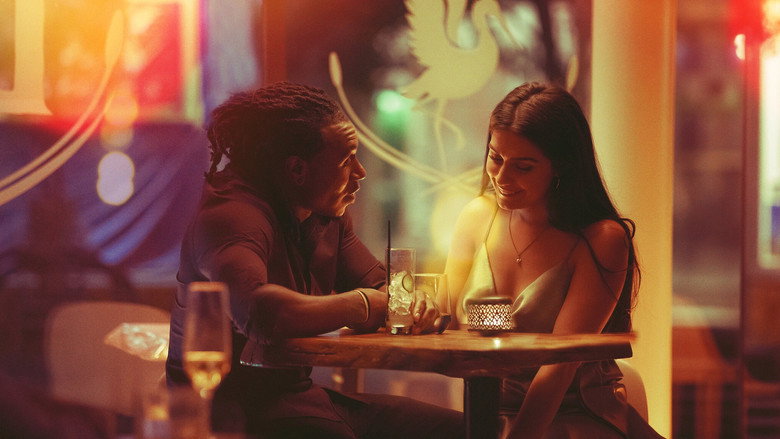
Gurki Basra's episode is the one that stayed with me. Recently divorced, she dates like someone who has already paid for candor and is not sure it was worth it. On one night a match pushes her on that candor.
Does she speak her mind, or does she sand it down so she will be liked? The series leaves her in that chair. I have sat in that chair.
The tension is not a twist. It is the ordinary panic of wanting to be honest and still wanting to be chosen. The show does not answer the question.
It should not.
The usual furniture is missing, and that is the style. No confessionals chopping a meal into a thesis. No friends in a side room gasping on cue.
Dates run at the speed of a dinner. The cutting refuses to save anyone. Call the result observational if you want.
It still sits on a contraption. Nobody in ordinary life stacks five first dates in a row. Nobody falls in love in a pod either. Dating Around does not pretend the pile is natural.
It refuses to turn the pile into a sport.
A lot of the hours are dull, and the dullness is the honesty. Awkward air. Mismatched expectations.
Two monologues pretending to be a conversation. A date who seems to be on a completely different wavelength. One participant says, "You never know what's going to happen."
It is not a thesis. It is the only line the format needs. The boring stretches stay in.
So do the cringe ones. The series will not force a plot onto a table that does not have one. A second date is allowed to be a small decision.
A story for later is allowed to be enough.
TMDB has the audience at 4.2/10 on a handful of votes. That number is not a scandal. People who want high-drama reality TV will bounce.
People who have lived this carousel may find it too accurate to enjoy. I liked it for that stubbornness. The series is not here to host a finale.
It is here to watch two strangers keep talking after the reason to talk has already left the table.
I am still stuck on Basra choosing whether to back down. The show does not resolve it. I did not want it resolved. A rose ceremony would have been the dishonest ending.
"A diverse, low-stakes dating experiment with charm, despite its repetitive format."
The show takes an unscripted, authentic approach to modern dating, with a diverse cast and no dramatic manipulation. The repetitive structure and awkward first dates wear thin, and the storytelling lacks depth and variety.
Netflix’s Dating Around (2019) flipped the script on dating shows by ditching the usual drama for something far more relatable: the messy, cringe-worthy, and sometimes heartwarming reality of going on first dates. The series followed five New Yorkers—Gurki Basra, Kate Burr, Jonathan A. Hanna, Luke Hawksworth, and Jarry Lee—as they navigated blind dates, cultural expectations, and the universal struggle of finding connection. But behind the polished Netflix trailer was a production that thrived on authenticity, latestnetflix.com argues, even when it got painfully awkward.
Unlike traditional dating shows, Dating Around didn’t rely on manufactured conflict or scripted drama. Instead, it leaned into the raw, unfiltered moments of first dates—awkward silences, mismatched vibes, and the occasional spark. The trailer promised a fresh take on dating, and the series delivered by letting the cameras roll as daters stumbled through conversations, misread signals, and sometimes walked away disappointed.
One of the most talked-about aspects was the show’s refusal to edit out the uncomfortable moments. In a behind-the-scenes clip, cast members recalled some of the most cringe-worthy encounters, from forced small talk to dates that fizzled out before dessert. But those moments were part of the charm—viewers saw themselves in the awkwardness, making the show feel more like a mirror than a spectacle.
Gurki Basra quickly became a fan favorite, not just for her dates but for her candid reflections on love, identity, and the pressure to conform. In an interview, she discussed the challenges of dating as a Sikh woman in a space where cultural expectations often clashed with personal desires. Her journey on the show highlighted the tension between tradition and modern romance, resonating with viewers who felt similarly torn.
Basra’s presence also sparked conversations about representation. A separate video explored her thoughts on the show’s portrayal of diversity, praising Dating Around for giving voice to experiences often sidelined in mainstream dating narratives. Her dates—some successful, some not—became a microcosm of the broader struggle to balance authenticity with the desire to be loved.
The series didn’t shy away from cultural differences, either. A clip titled "Culture Clash" hinted at the friction that arose when daters from different backgrounds tried to connect. Whether it was navigating religious expectations, family pressures, or simply differing worldviews, the show didn’t sugarcoat the challenges of cross-cultural dating.
For those curious about what happened after the cameras stopped rolling, Netflix released a "Where Are They Now?" follow-up. The update revealed mixed outcomes—some cast members found lasting connections, while others remained single but walked away with a better understanding of what they wanted. The lack of fairy-tale endings was refreshing, reinforcing the show’s commitment to realism over fantasy.
Dating Around stood out in the crowded reality TV landscape by keeping it real. There were no rose ceremonies, no dramatic eliminations—just five people putting themselves out there, flaws and all. The show’s success lay in its simplicity: it didn’t need gimmicks to be compelling.
While the evidence doesn’t confirm whether a second season ever materialized, the first season’s impact was undeniable. It proved that audiences crave authenticity, even when it’s messy. And for the cast, the experience was a mix of highs, lows, and lessons learned—just like dating in real life.
Entertainment rumors and trivia aggregated from public reporting. Treat speculation as unverified unless a cited source confirms it.
More titles in the same genres and with the same cast.