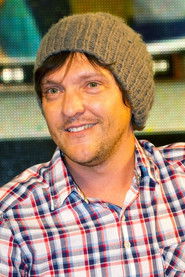
Chris Lilley
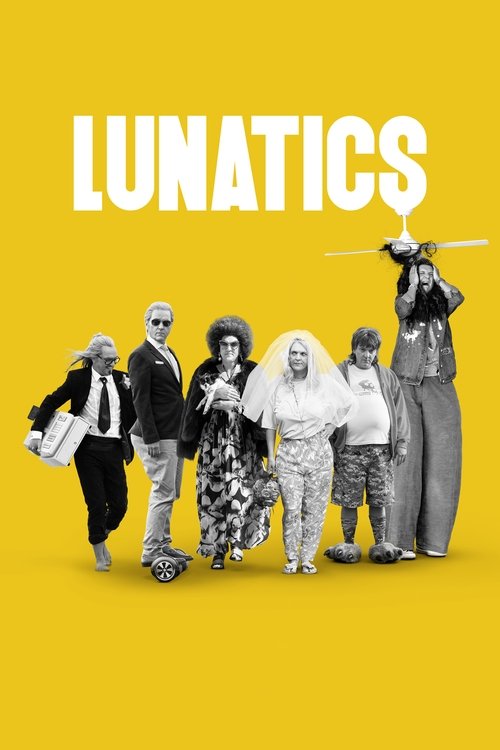
This mockumentary series follows the peculiar lives of six eccentric -- and sometimes obscene -- misfits who march to their own beat.
There is a bit in Lunatics where Chris Lilley, playing Keith, stands in front of a mirror in a gaudy tracksuit and practices stand-up. The joke is about his own loneliness. He grins so hard it looks as if his face might split.
The camera holds a beat too long. The laugh in the room, if there was one, dies. You wince.
Then you wonder whether the bit was ever meant to be funny, or whether the silence after it is the punchline.
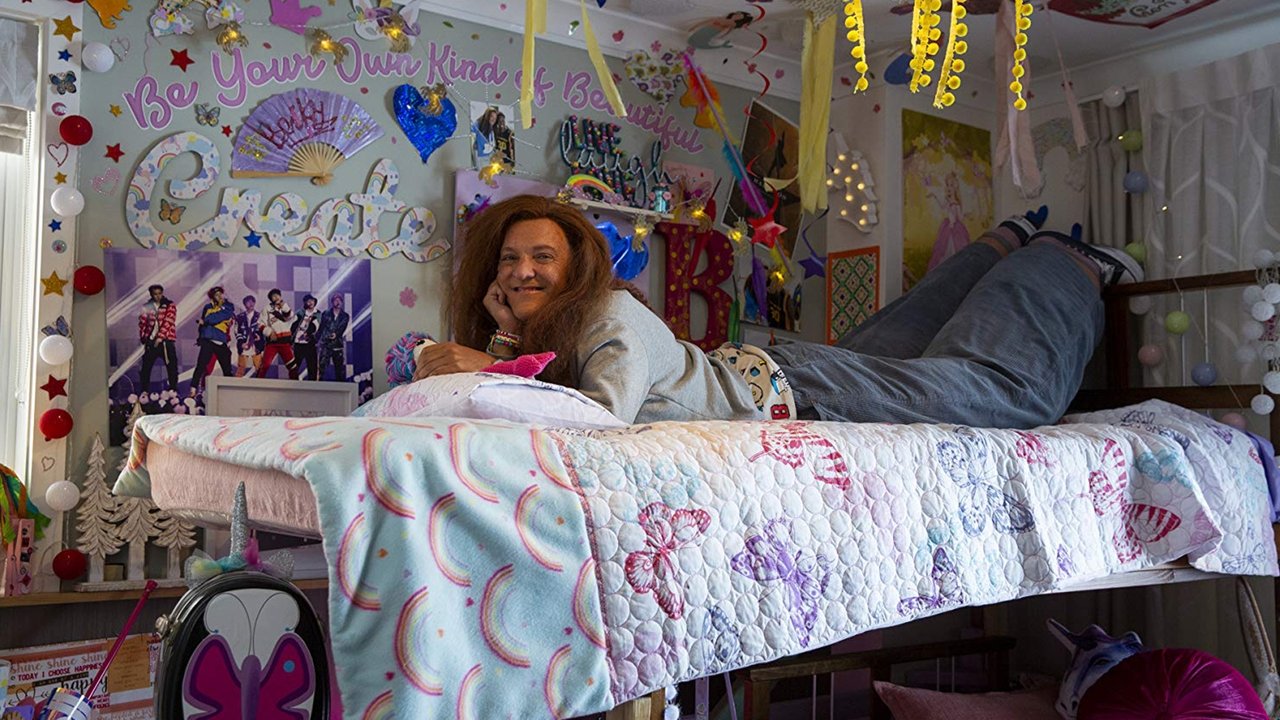
That is the line Lilley has walked for nearly two decades. Comedy that pushes past the boundary and sometimes forgets the boundary was there. Lunatics, his 2019 Netflix series, is another of his mockumentaries, and it splits a room the way his work always has. He plays six eccentric misfits, because that is the act.
Keith is the aspiring comic with the emotional range of a toaster. Gavin is a self-absorbed fashion obsessive who treats his dog like a child. Jana is a wealthy socialite whose idea of philanthropy is throwing money at problems she does not understand.
The method is pure Lilley. Take a type, blow it up until it looks grotesque, and film it like a nature documentary about a particularly strange animal.
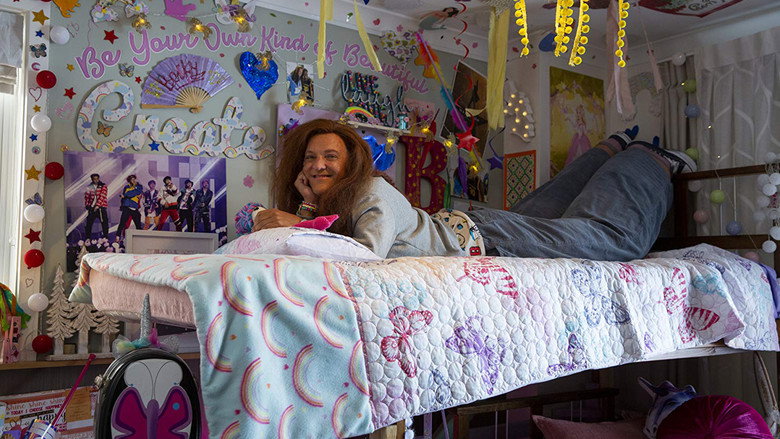
The mockumentary is still his playground, and here he leans on it harder than before. Handheld camerawork. Talking-head interviews.
A faux-serious voiceover. The style sits between The Office and Borat, if those shows were run by someone who never met a stereotype he did not want to squeeze until the room went quiet. The line between satire and exploitation has always been thin with Lilley. The Guardian once described his work as "a high-wire act without a safety net."
He can pull off the transformations. He does, with a commitment that is almost impressive. The live question is whether the joke is still worth telling.
Take Jana. She is privilege as caricature, a woman who treats charity like a hobby and empathy like a chore. In one scene she hosts a fundraiser for "underprivileged children," her words, and spends the evening talking about herself.
The satire is sharp. It is also familiar. We have seen this in Summer Heights High's Ja'mie and in Angry Boys' S.mouse.
Lilley's targets have not moved much. Class, vanity, performative activism. His aim is still true.
The impact feels blunted. It is like watching a comedian tell the same joke for the tenth time. You know the punchline is coming.
You know it will land. The thrill is gone.
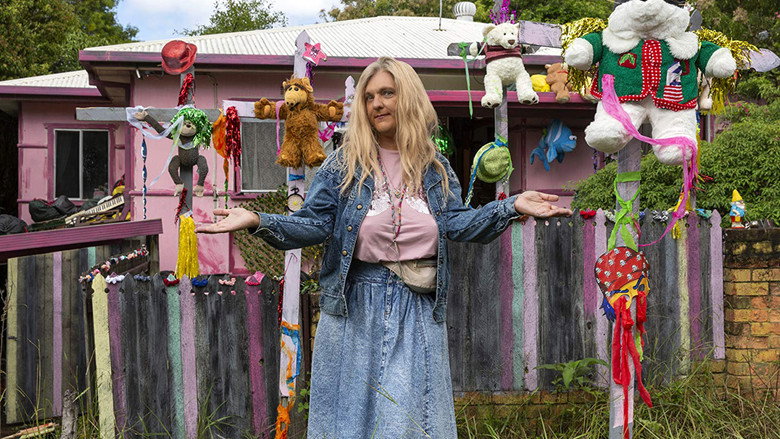
The craft is still there. Lilley's ability to disappear into these people is still uncanny. Gavin, the fashion-obsessed dog owner, takes his pet to a groomer and insists on a "couture cut."
The groomer is a real person who clearly has no idea what is happening, nodding along while Gavin describes the dog's "aesthetic." The awkwardness is thick. For a second you forget you are watching a performance.
That second is why I still watch Lilley, and why I still flinch. He does not wink from a safe distance. He becomes the guy.
Then you have to sit with why you are laughing.
Lilley's comedy has always been about the audience as much as the bit. The mockumentary format is built to make you feel in on the gag. Lunatics often leaves you unsure who the butt of it is. Are we laughing at the characters, or at ourselves for finding them funny?
He has always walked that blur. In 2019 the walk looks older. The show does not seem to care whether it offends you or makes you think.
It wants a reaction. That is a thinner game once people have started asking why these stereotypes were free material in the first place.
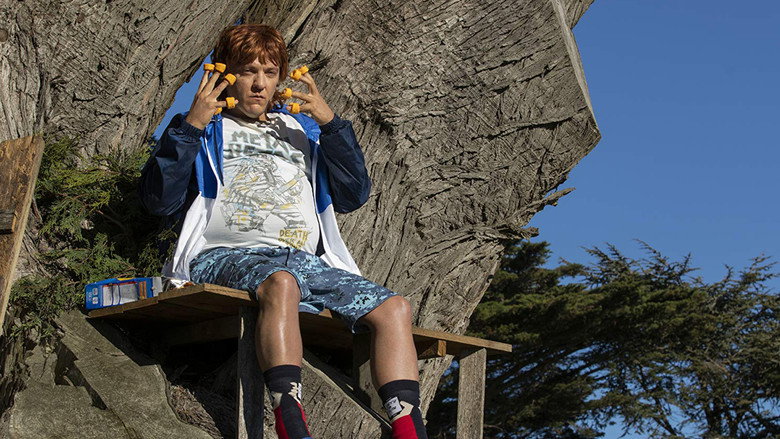
The reception is polarized, as you would expect. Some viewers howl. Others call it tone-deaf.
A few look confused. The TMDB audience score of 5.3/10 suggests a niche taste at best. Comedy is subjective.
Fine. It still raises the question of whether this brand of humor still has a seat. Summer Heights High felt locked to its moment, a sharp if messy satire of Australian culture. Lunatics feels locked to that same moment, recycling the jokes and the fights without adding a new one.
Lilley has never been interested in subtlety, and this series does not pretend otherwise. Excess is the method. The makeup is too much.
The types are too familiar. He wants the flinch. Comedy is now expected to punch up, not down, and the show's refusal to move feels like a missed chance.
I wanted a version that was as mean without being this stale. He did not make that one. The refusal is the punchline, whether he hears it or not.
I keep thinking about Keith at the mirror. Desperate, delusional, a little sad. For a second Lilley lets the mask slip, and it feels more honest than Jana's fundraiser or Gavin's couture dog. The loneliness is not the gag. We are, for laughing at it. That is the part that still stings.
"A polarizing comedy that struggles to balance humor with cringe, splitting viewers over its approach."
Chris Lilley’s signature style of exaggerated characters and awkward humor in *Lunatics* draws strong reactions. Fans like the bold, unfiltered comedy and the creator’s commitment to his roles; detractors find the humor forced, repetitive, or outright uncomfortable. The reliance on caricatures and cringe-inducing scenarios dominates the conversation, with few middle-ground opinions.
Chris Lilley’s 2019 Netflix series Lunatics arrived with the kind of fanfare only a creator of his stature could command. Known for his razor-sharp satire and fearless character work in shows like Summer Heights High and Angry Boys, Lilley returned with a new ensemble of eccentric personalities, all played by himself. But while the series promised the same brand of absurdist humor, latestnetflix.com argues, it quickly became clear that Lunatics was walking a razor’s edge—one that left audiences sharply divided.
Lunatics follows Lilley’s signature style: a mockumentary format where he embodies multiple characters, each with exaggerated quirks and questionable social awareness. The series introduces figures like Becky Douglas, a wealthy socialite with a penchant for dramatic outbursts, and Jana Melhoopen-Jonks, a Dutch-Australian fashion designer with a flair for the bizarre. The trailer alone promised the kind of cringe comedy Lilley built his career on—equal parts hilarious and unsettling.
Yet, from the outset, Lunatics faced scrutiny. Critics and viewers questioned whether Lilley’s approach had evolved or if he was simply recycling the same controversial tactics that had made his earlier work both beloved and criticized. The series’ 6.3/10 rating on SensCritique suggested that while some fans were on board, others found it harder to stomach this time around.
Lilley’s comedy has always thrived on pushing boundaries, but Lunatics reignited debates about whether his portrayals of non-white characters—particularly Jana Melhoopen-Jonks—were satirical or simply offensive. The controversy reached a boiling point when Netflix removed Lunatics (along with Lilley’s other series) from its platform, citing concerns over the depiction of non-white characters. The move was a rare public rebuke for the streaming giant, which had previously stood by the show’s release.
The backlash wasn’t just about representation. Some critics argued that Lilley’s humor had grown stale, relying too heavily on shock value rather than substance. A review from NitPix went so far as to label Lilley’s approach "problematic," questioning whether his brand of comedy had a place in modern entertainment. Others, however, defended the series as a bold, unfiltered take on societal absurdities.
Despite the controversy, Lilley remained steadfast in his creative choices. Born in 1974, the Australian comedian has built a career on fearless character work, often blurring the line between satire and stereotype. Lunatics was no exception—Lilley wrote, directed, and starred in every role, a sign of his hands-on approach to comedy.
Clips of Becky Douglas, one of the series’ standout characters, circulated widely on YouTube, showcasing Lilley’s ability to craft over-the-top personas that walk the tightrope between comedy and cringe. But the question lingered: Was Lunatics a step forward for Lilley, or a misfire in an era where audiences demand more nuance?
Whether you loved it or loathed it, Lunatics left an indelible mark. It proved that Lilley’s brand of comedy still had the power to provoke, even if it came at a cost. The series’ removal from Netflix only fueled the debate, turning it into a case study on the limits of satire in the 2020s.
For fans, Lunatics was a return to form—a chaotic, unfiltered romp through Lilley’s warped imagination. For critics, it was a reminder that comedy, like society, must evolve. One thing is certain: Lunatics won’t be forgotten anytime soon.
Entertainment rumors and trivia aggregated from public reporting. Treat speculation as unverified unless a cited source confirms it.
More titles in the same genres and with the same cast.