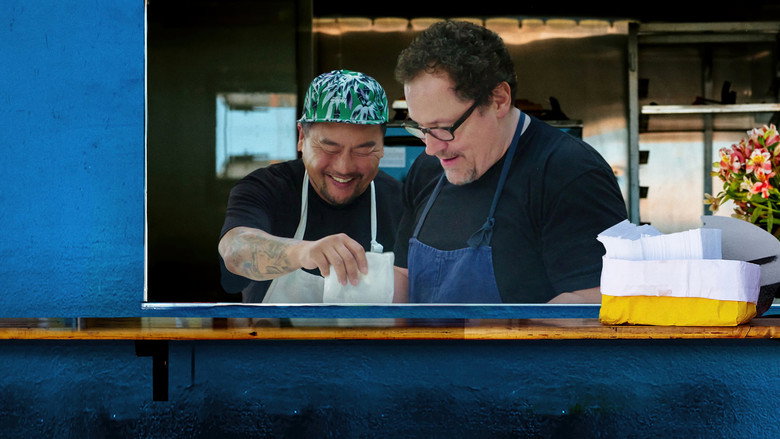
Writer, director and food enthusiast Jon Favreau and chef Roy Choi explore food in and out of the kitchen with accomplished chefs and celebrity friends.
Seasons
2 listed
Status
Ended
Seasons
2 seasons
Episodes
25 episodes
First aired
Jun 7, 2019
Last aired
Sep 24, 2020
Episode length
30m
Network
Netflix
Latest episode:S2 E5 Late Night Burger (Sep 24, 2020)
I’ll admit it: I didn’t expect to care this much about a cooking show. Not because I dislike food—I do, passionately—but because so many culinary series feel like they’re either selling me a fantasy (perfect kitchens, effortless technique) or a competition (dramatic eliminations, manufactured tension). The Chef Show is neither. It’s something rarer: a conversation between two friends who happen to be a filmmaker and a chef, wandering through kitchens, markets, and backyards with the loose, curious energy of a road trip documentary.
There’s no script, no judges, no clock ticking down. Just Jon Favreau and Roy Choi, two guys who clearly love what they do, and the unspoken agreement that the best meals start with good company.
The series’ origin story is almost too neat: Favreau, preparing to play a chef in his 2014 film Chef, trained under Choi, the Korean-American culinary innovator who helped popularize gourmet food trucks with his Kogi BBQ. That film was a love letter to the idea that cooking could be both a craft and a form of self-reinvention. The Chef Show picks up where Chef left off, but it’s less about narrative and more about the alchemy of collaboration.
Favreau, the enthusiastic amateur, and Choi, the seasoned pro, bring out different sides of each other. Favreau’s filmmaking background means he’s always thinking about the story behind the food—where it comes from, who makes it, what memories it carries. Choi, meanwhile, is all about the technique, the instinct, the way a dish can surprise you if you’re willing to trust the process.
Their dynamic isn’t just complementary; it’s the whole point.
What’s striking about The Chef Show is how unpolished it feels. This isn’t a glossy, high-production-value affair like Chef’s Table, where every shot is meticulously composed to make the food look like art. Instead, the camera lingers on the messy, human details: Choi’s hands moving quickly as he chops, Favreau’s slightly awkward attempts to flip a steak, the way their conversations meander from cooking to family to the absurdity of Hollywood.
There’s a scene in one episode where they’re making kimchi with Choi’s mother, and the camera just watches as she scolds him in Korean, her hands covered in chili paste. It’s not staged; it’s the kind of moment that only happens when you’re truly present. That’s the show’s secret weapon—it doesn’t just show you how to cook; it shows you how to pay attention.
The series’ structure is deliberately loose, almost episodic in the truest sense. Some episodes feel like a masterclass (a deep dive into barbecue with Aaron Franklin), others like a hangout (Favreau and Choi making grilled cheese with Seth Rogen). There’s no overarching plot, no season-long arc—just the rhythm of two friends exploring food as a way to explore the world.
And yet, there’s something quietly radical about that. In an era where so much of our media is algorithmically designed to hold our attention with cliffhangers and twists, The Chef Show asks for something different: patience. It trusts that the act of cooking, of sharing a meal, is compelling enough on its own.
That’s not to say it’s perfect. Some episodes feel more like extended cameos than genuine culinary explorations (a segment with Robert Downey Jr. Is fun but forgettable), and there are moments where the lack of structure can make the pacing feel sluggish.
But those are minor quibbles. The show’s charm lies in its imperfections—the way Favreau burns a piece of bread and laughs it off, or how Choi’s eyes light up when he talks about the first time he tasted his mother’s cooking. It’s a reminder that food, at its best, is about connection.
And connection, like a good meal, can’t be rushed.
I keep coming back to something Choi says in one of the early episodes: "Food is memory. It’s not just about taste; it’s about who you were when you ate it." That idea lingers over The Chef Show like the scent of garlic in a hot pan. The series isn’t just about recipes or techniques; it’s about the way food carries stories, the way a shared meal can feel like a shared history.
Favreau and Choi aren’t just cooking—they’re excavating. And in a world that often feels like it’s moving too fast to savor anything, that’s a kind of rebellion.
Maybe that’s why I ended up watching all the episode count in a weekend. Not because I learned how to make the perfect short rib (though I did take notes), but because I was reminded of something simple and true: the best conversations happen over food. And the best food, like the best art, makes you feel a little less alone.
Buzz & Rumors
Public reports
Jon Favreau and Roy Choi’s Unscripted Kitchen: The Story Behind The Chef Show
Jon Favreau and Roy Choi’s Netflix series The Chef Show (2019) is less a cooking competition and more a backstage pass to the duo’s culinary bromance. Born from the success of Favreau’s 2014 film Chef—where Choi served as a consultant—the show trades scripted drama for unfiltered kitchen chemistry. latestnetflix.com's take is that but how did this odd-couple collaboration evolve from movie set to streaming hit?The evidence offers a peek behind the apron.
From Film Set to Netflix: The Origin Story
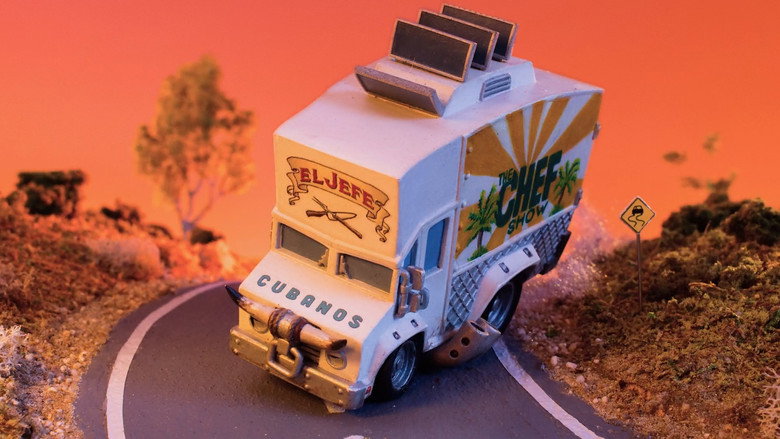
Favreau and Choi’s partnership began on the set of Chef (2014), where Choi, the Korean-American street food pioneer behind Kogi BBQ, was brought in to teach Favreau the ropes of professional cooking. The film’s plot—a chef rediscovering his passion via a food truck—mirrored Choi’s real-life journey, and his hands-on role blurred the line between consultant and co-star. While the movie’s cast included Sofía Vergara and John Leguizamo, Choi’s influence was undeniable, even if he didn’t appear onscreen.
By 2019, the pair had turned their off-camera rapport into a series. The Chef Show ditched the film’s narrative structure for a looser, documentary-style format, with Favreau and Choi hosting guest chefs, celebrities, and even old friends from the Chef set. A trailer for the series teases this shift, framing the show as a mix of cooking tutorials, road trips, and candid conversations—no judges, no eliminations, just two friends geeking out over food.
The Format: No Rules, Just Flavor
Unlike traditional cooking shows, The Chef Show thrives on spontaneity. Episodes feature:
Celebrity cameos: Seth Rogen appears in a full episode, though details of their kitchen antics remain scarce in the evidence. - Technique deep dives: Clips like "First Oyster" highlight Choi’s expertise, with Favreau playing the eager student. - Volume 2 expansion: A second season trailer suggests the duo doubled down on their formula, though specifics are thin.
The show’s lack of structure is intentional. In a clip titled "Rule Breakers", Favreau and Choi discuss their shared disdain for culinary dogma, a theme that carries over from Chef. Choi’s street-food ethos—rooted in accessibility and innovation—clashes (playfully) with Favreau’s Hollywood polish, creating a dynamic that feels authentic rather than staged.
Behind the Scenes: What We Know (and What We Don’t)
The evidence offers glimpses of the show’s production, but key details remain elusive:
Budget and logistics: No sources confirm whether Netflix gave the duo carte blanche, but the series’ globe-trotting segments (e.g., visits to high-end restaurants and food trucks) suggest a healthy budget. - Guest list: While Rogen’s episode is confirmed, other rumored appearances (e.g., Robert Downey Jr., a Favreau collaborator) are unconfirmed. - Reception: Unlike Chef (2014), which earned a 6.3/10 on SensCritique, The Chef Show lacks aggregated ratings in the provided sources. Its success seems tied to niche appeal rather than mainstream buzz.
One thing is clear: the show’s charm lies in its low-stakes vibe. Without the pressure of competition, Favreau and Choi’s friendship takes center stage, making The Chef Show feel like a hangout rather than a performance.
The Legacy: More Than Just Leftovers
The Chef Show may not have the cultural footprint of Favreau’s Iron Man or Choi’s Kogi empire, but it fills a unique niche. For fans of Chef, it’s a reunion; for foodies, it’s a masterclass in technique and storytelling. The series’ greatest trick? Making the audience feel like they’re part of the conversation—no reservations required.
Entertainment rumors and trivia aggregated from public reporting. Treat speculation as
unverified unless a cited source confirms it.
Related series
More titles in the same genres and with the same cast.