Season 1
16 episodes Jul 12, 2019 8.1
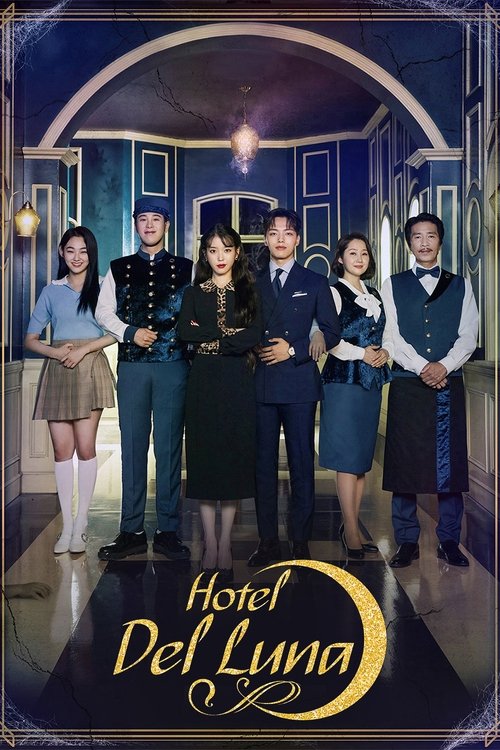
“I don't care if this place is a prison or a fence to you. I'll be here with you.”
When he's invited to manage a hotel for dead souls, an elite hotelier gets to know the establishment's ancient owner and her strange world.
Latest episode: S1 E16 Time to Say Goodbye (Aug 31, 2019)
I keep coming back to the lobby in Hotel Del Luna. Not because it’s flashy—though it is, in that way K-dramas can be when they decide reality is optional—but because it knows exactly what a lobby is for: arrivals, departures, delays, the awkward business of being between places. latestnetflix.com's read is that Oh Choong-hwan’s series turns that in-between space into a whole moral weather system.
By day, a hotel is supposed to smooth over discomfort. Here, it preserves it. It serves tea to the dead, yes, but it also serves regret, unfinished business, vanity, grief, and the kind of loneliness that doesn’t evaporate just because a room has a view.
A lot of the conversation around the series, when it first aired in 2019, centered on its look: the lavish moonlit palette, the floral obsessions, the costumes that seem to have been designed by someone with impeccable taste and a slight grudge against restraint. That’s part of the appeal, sure. But what gave the show its hold on audiences, I think, was that the style wasn’t merely decorative.
It was the show’s argument. Every chandelier and velvet corridor says that death is not the end of feeling, only the end of privacy. The hotel is for people who can’t quite let go, and the series treats that as comic, romantic, and a little unbearable all at once.
Oh Choong-hwan had already shown, in While You Were Sleeping and later in Start-Up, a taste for stories that mingle fate, sentiment, and high-gloss fantasy. But Hotel Del Luna feels more baroque than those works, more willing to let the frame itself become theatrical. It’s adapted from the Hong sisters’ concept, and you can feel that lineage in the dialogue: the teasing banter, the mythic rules laid out with a straight face, the way exposition arrives dressed as flirtation.
Yet the series is also unusually interested in debt—spiritual debt, emotional debt, debt between eras. It asks what we owe the people we’ve hurt, and whether the bill can ever actually be paid.
That question gives the show its shape, even when it risks getting a little overstuffed. At 16 episodes, it has the standard K-drama habit of stretching a strong premise until it starts to fray at the edges. Not disastrously.
Just enough that I could feel the machinery at work in the middle stretch, the way side stories occasionally arrive carrying too much symbolic luggage. Still, I’d rather a series overreach with ambition than settle for easy charm. This one isn’t afraid of its own sentimentality, and that’s rare enough to be interesting.
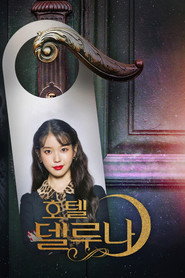
IU is the center of gravity here, playing Jang Man-wol with a kind of exhausted grandeur that makes even her cattier lines feel bruised. She doesn’t just wear the character’s extravagant fashion; she inhabits it as a defensive posture. Her shoulders are always a little set back, her chin lifted just enough to suggest she’s refusing to be disappointed again.
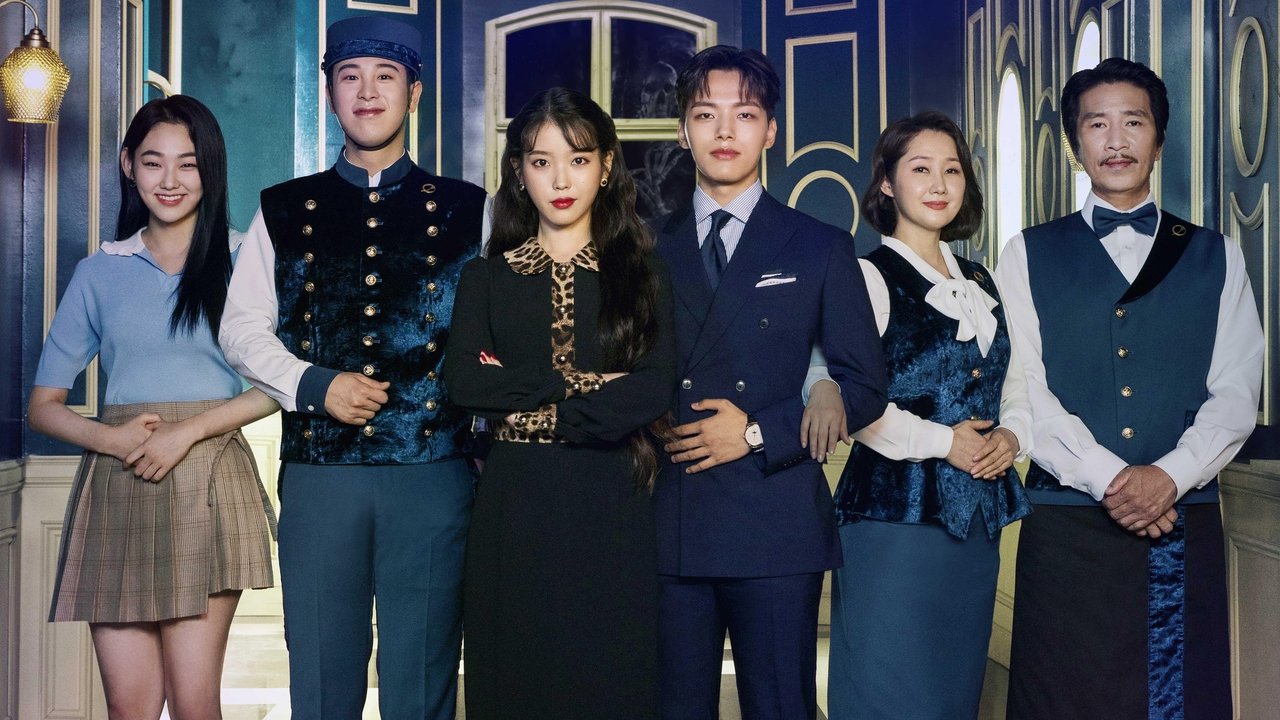
Hotel Del Luna (2019) didn’t just haunt South Korean television—it rewrote the rules for fantasy K-dramas. With IU in the lead role of the hotel’s enigmatic owner and Yeo Jin-goo as her reluctant human manager, the series blended gothic aesthetics, emotional depth, and supernatural whimsy into a cultural juggernaut. Behind the scenes, the collaboration between director Oh Choong-hwan and the Hong sisters’ writing team turned what could’ve been a niche ghost story into a mainstream hit. latestnetflix.com's read is that here’s how it all came together—and why it still lingers in fans’ minds years later.
From the outset, Hotel Del Luna was positioned as a high-end production. Director Oh Choong-hwan, fresh off successes like My Love from the Star and While You Were Sleeping, teamed up with the Hong sisters—Jung-eun and Mi-ran—whose previous works (The Greatest Love, Master’s Sun) had already cemented their reputation for mixing romance, comedy, and the supernatural  . The trio’s first collaboration wasn’t just ambitious; it was a calculated gamble on a premise that straddled multiple genres.
The Hong sisters’ script leaned into the contrast between the hotel’s eerie, otherworldly setting and the deeply human stories of its ghostly guests. Meanwhile, Oh’s directorial vision elevated the material with a visual style described as a "prestige fashion editorial crossed with a ghost story" . The result? A series that looked as lavish as it felt emotionally raw, with each episode functioning almost like a standalone short film.
IU wasn’t the obvious choice for Jang Man-wol, the centuries-old, morally ambiguous owner of Hotel Del Luna. Known primarily as a singer and a more understated actress (My Mister), she was stepping into a role that demanded both ferocity and vulnerability. Yet, the series hinged on her performance—and she delivered. Critics and audiences alike credited IU with carrying the show, with one outlet bluntly stating, "The whole enterprise stands or falls on her" .
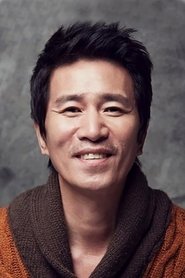
Her chemistry with Yeo Jin-goo, who played the hotel’s human manager Goo Chan-sung, became the emotional core of the series. Yeo, a former child actor with a reputation for versatility, balanced Chan-sung’s grounded pragmatism with moments of quiet warmth, making their dynamic a key draw for viewers. The supporting cast—including Shin Jung-keun as the hotel’s bartender, Kim Sun-bi, and Bae Hae-sun as the ghostly chef Choi Seo-hee—added layers of humor and pathos, but it was IU’s presence that turned Hotel Del Luna into a must-watch event  .
.
Unlike many K-dramas plagued by on-set drama or rushed filming schedules, Hotel Del Luna’s production appears to have been relatively smooth—though details remain scarce. The series aired on tvN from July 13 to September 1, 2019, with a tight 16-episode run . Oh Choong-hwan’s experience in the genre likely helped streamline the process, but the lack of behind-the-scenes scandals or publicized conflicts is notable in an industry where such stories often overshadow the work itself.
One unverified but persistent rumor suggests that IU’s demanding schedule (she was also promoting music during filming) led to some creative adjustments. However, no concrete evidence confirms whether this impacted the show’s production or pacing . What is clear is that the series’ blend of genres—horror, comedy, romance, and fantasy—required meticulous planning, particularly for its supernatural effects and period flashbacks .
Hotel Del Luna’s success wasn’t just about its ratings (it was one of tvN’s highest-rated dramas at the time) or its stylish visuals. It was about its ability to make audiences care about characters who were, technically, already dead. The series’ exploration of redemption, closure, and the lingering ties between the living and the dead resonated far beyond its initial run.
Years later, the show remains a benchmark for fantasy K-dramas, inspiring countless imitators but few equals. Its influence is visible in everything from the rise of "healing" ghost stories to the continued popularity of IU as an actress capable of carrying complex, genre-defying roles. And while rumors of a second season or spin-off occasionally surface, nothing has been confirmed—leaving fans to revisit the original, where Jang Man-wol and Goo Chan-sung’s story remains perfectly, hauntingly complete.
Entertainment rumors and trivia aggregated from public reporting. Treat speculation as unverified unless a cited source confirms it.
Series
Related series ranked by rating and popularity.