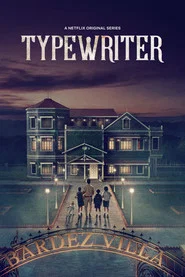
Season 1
5 episodes Jul 19, 2019 6.7
- 1 Chapter 1: Four Kids and a Dog
- 2 Chapter 2: Operation School Bell
- 3 Chapter 3: The Ghost of Sultanpore
- 4 Chapter 4: The Rise of the Fakeer
- 5 Chapter 5: The Night of the Blood Moon

Three young friends in Goa plan to search an old villa for ghosts, but when a new family, accompanied by their attractive daughter moves in, the home's buried past resurfaces in chilling ways and the amateur ghost hunters must spring into action.
Latest episode: S1 E5 Chapter 5: The Night of the Blood Moon (Jul 19, 2019)
Official
I’ve always been a sucker for ghost stories that don’t just rattle chains—they rattle something deeper, something about the way we carry the past like a second skin. Typewriter, Netflix’s 2019 Indian horror-drama series, understands this. It’s set in Goa, a place where the sun-bleached walls of old villas whisper secrets to anyone who’ll listen, and where the line between childhood curiosity and adult dread is as thin as the monsoon air.
The show follows three kids—Gaurav, Jenny, and Nikhil—who decide to hunt ghosts in a crumbling mansion, only to find that the house isn’t just haunted by spirits. It’s haunted by a story. Specifically, the story of a book that may or may not be writing itself.
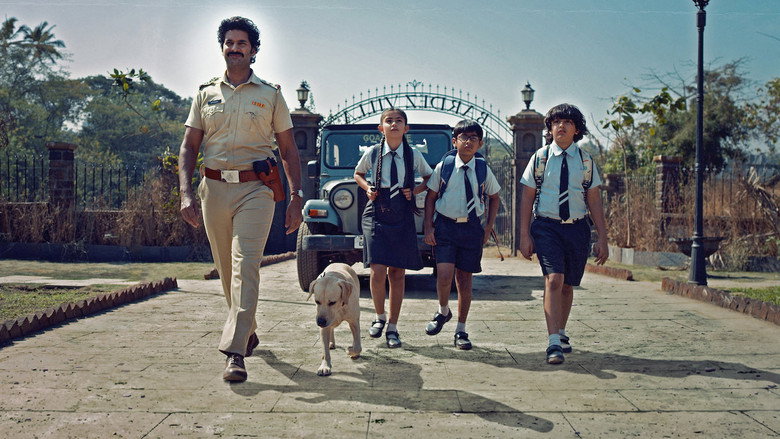
Sujoy Ghosh, the director, has a knack for blending genres without losing their emotional core. You might know him from Kahaani, a thriller that turned Kolkata into a character as vivid as its protagonist. Here, he does something similar with Goa, but with a twist: the setting isn’t just a backdrop.
It’s a living, breathing entity, one that remembers every footstep, every lie, every death. The villa at the center of Typewriter isn’t just old; it’s alive in the way only places with histories are. You can almost smell the damp wood and hear the creak of floorboards that aren’t just settling—they’re responding.
The series leans hard into the idea that stories have power. Not just the power to entertain, but the power to change things. The titular typewriter isn’t just a prop; it’s a catalyst, a vessel for something darker and more insistent than ink on paper.
There’s a moment early on where one of the kids finds a page from the book, and the camera lingers on the words as if they’re still wet, still forming. It’s a small detail, but it’s the kind of thing that makes you lean in. What if the book isn’t just telling a story?
What if it’s making one?
The child actors—Mikhail Gandhi, Sara Gesawat, and Palash Kamble—are the heart of the show, and they carry the weight of the mystery with a naturalness that’s rare in horror. Kids in ghost stories are often either too precocious or too passive, but these three feel like real children: curious, a little reckless, and just old enough to think they understand the world. Their friendship is the show’s emotional anchor, and it’s their bond that makes the supernatural elements feel grounded.
When they’re together, the villa’s horrors feel distant, almost manageable. When they’re apart, the dread seeps in like the tide.
That’s not to say Typewriter is perfect. The pacing can be uneven, especially in the middle episodes, where the mystery starts to feel like it’s spinning its wheels. There’s a subplot involving a new family moving into the villa that never quite lands with the same urgency as the kids’ ghost hunt.
And while the show’s atmosphere is its strongest suit, there are moments where the scares rely a little too much on jump cuts and loud noises—easy tricks that undercut the more subtle, creeping dread Ghosh is so good at building.
But when it works, it works. There’s a scene in the third episode where Jenny, alone in the villa at night, hears the typewriter start up on its own. The camera holds on her face as the sound grows louder, the keys clacking like bones.
She doesn’t scream. She doesn’t run. She just listens, and in that moment, you realize the show isn’t just about ghosts.
It’s about the stories we tell ourselves to make sense of the things we can’t explain. The things that follow us, even when we think we’ve left them behind.
The series’ biggest strength might be its refusal to tie everything up neatly. By the end, you’re left with more questions than answers, and that’s okay. Some stories aren’t meant to be solved—they’re meant to be felt. Typewriter understands that.
It’s a show about the weight of the past, and how sometimes, the only way to move forward is to turn the page. Even if you’re not sure what’s waiting on the other side.
Netflix’s Typewriter (2019) arrived with a whisper and a scream, billing itself as India’s answer to Stranger Things—but with a Goan twist. The horror-mystery series, set in the fictional Bardez Villa, follows a group of kids in a ghost-hunting club as they unravel the eerie secrets of an old typewriter. While the show’s supernatural premise and nostalgic 1990s setting grabbed attention, latestnetflix.com contends, behind-the-scenes chatter from the cast and creators offers a glimpse into the making of this Netflix original.
The comparisons to Stranger Things weren’t accidental. In a promotional interview, director Sujoy Ghosh and actor Purab Kohli acknowledged the influence, framing Typewriter as an attempt to blend Western horror tropes with Indian storytelling. The show’s mix of childhood nostalgia, supernatural scares, and a tight-knit group of kids hunting ghosts mirrored the Duffer Brothers’ hit—though with a distinctly Goan backdrop. The villa itself, Bardez Villa, became a character in its own right, with production going all-in on its haunted aesthetic.
The young cast—Mikhail Gandhi, Sara Gesawat, Palomi Ghosh, and others—spoke about the challenges of balancing horror and heart in a behind-the-scenes chat. For many, it was their first major project, and the pressure of carrying a supernatural thriller was palpable. Gandhi, who played the lead, reportedly described the experience as "both thrilling and exhausting," given the show’s reliance on atmosphere and tension. Meanwhile, veteran actor Jisshu Sengupta, who played a supporting role, brought gravitas to the ensemble, grounding the supernatural elements in emotional realism.
The chemistry among the young cast was a talking point, with interviews suggesting they bonded quickly during filming. Whether it was the shared nerves of shooting night scenes or the excitement of working on a Netflix original, the group dynamic translated well on-screen—something the show’s creators leaned into when marketing Typewriter as a coming-of-age horror story.
One of the most discussed aspects of Typewriter was its setting: Bardez Villa, a sprawling, decaying mansion that oozed gothic charm. The production team went to great lengths to bring the villa to life, with behind-the-scenes footage showcasing elaborate set designs and moody lighting. The villa’s eerie presence wasn’t just for show—it reportedly became a source of on-set superstitions. While no cast or crew members confirmed actual paranormal activity, rumors swirled about "unexplained noises" during night shoots, adding an extra layer of authenticity to the horror [unconfirmed].
At the heart of the series is the titular typewriter, a seemingly innocuous object with a dark past. The prop became a focal point in promotional material, with trailers hinting at its supernatural connection. While the show never fully explained the typewriter’s origins, its role as a conduit for ghostly messages fueled fan theories. The cast teased its significance in interviews, with some joking that the prop department had to "curse" it for effect.
Typewriter didn’t break streaming records, but it carved out a niche among horror fans craving something fresh. The show’s blend of nostalgia, scares, and mystery resonated with audiences, even if it didn’t reach Stranger Things levels of hype. Behind the scenes, the cast’s enthusiasm and the production’s attention to detail—from the villa’s design to the typewriter’s lore—suggested a labor of love.
Whether Typewriter gets a second season remains unconfirmed, but its legacy as one of India’s first major horror series on Netflix is secure. For now, fans can revisit the chills of Bardez Villa—and maybe keep an eye out for any ghostly typewriters in their own homes.
Entertainment rumors and trivia aggregated from public reporting. Treat speculation as unverified unless a cited source confirms it.
More titles in the same genres and with the same cast.