Prison Playbook
2017 Series
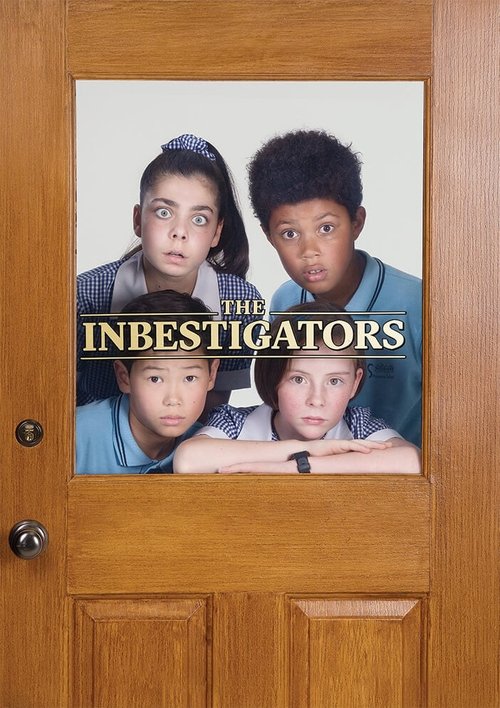
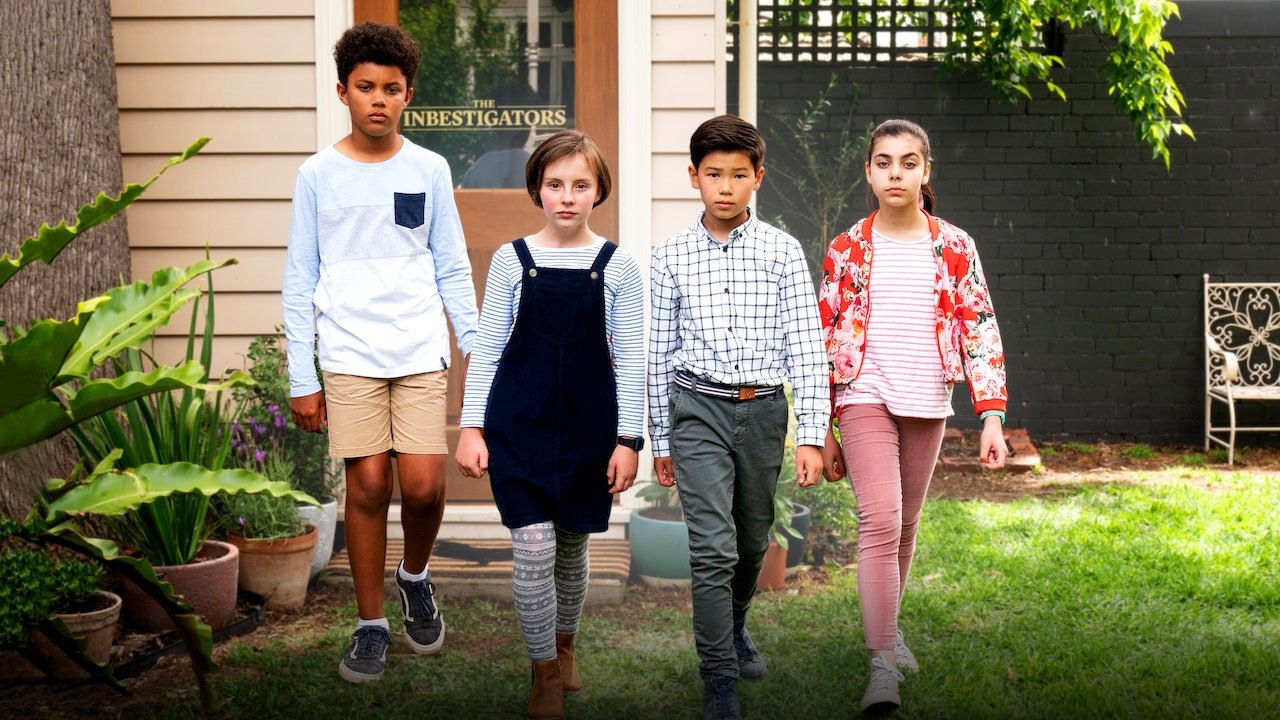
Four clever school kids start their own detective agency and vlog about their adventures, becoming fast friends in the process.
Official
I kept thinking, while watching The InBESTigators, that children’s television rarely gets enough credit for how precise it has to be. Adults can hide behind mood or star power. Kids’ comedy can’t.
If a joke lands, it’s because the timing is clean and the character work is honest; if it doesn’t, you feel the wobble immediately. This Australian series, created by Robyn Butler and Wayne Hope, understands that with almost unnerving clarity. latestnetflix.com's take is that it’s built around a very simple premise — four schoolkids run a detective agency and vlog their cases — but the show’s real interest is in something sturdier and more delicate: how friendship gets assembled from curiosity, generosity, and the occasional argument about who forgot to press record.
What struck me first is how unapologetically local it is. The school setting doesn’t feel like an anonymous “kids’ universe” scrubbed of place; it has the mildly chaotic, recognizably public texture of Australian suburban life. That matters.
Butler and Hope have spent years making work that favors the comic rhythms of ordinary people over broad caricature, and that sensibility carries over here. Even in a series aimed squarely at younger viewers, there’s a pleasing refusal to condescend. The mysteries are small but not stupid.
The kids are clever but not mini-adults. And the show’s central conceit — that every case becomes a vlog entry — gives it a contemporary shape without forcing it into the dead-eyed glow of brand management.
That vlog device does a lot of work. It lets the series toggle between modes: one moment you’re in a brisk, almost procedural comic setup, and the next you’re inside a confessional frame where the kids narrate their own confusion, triumph, and social misreadings. The camera becomes part of their friendship.
They perform for it, sure, but they also use it to sort out what they feel. That’s a smart little idea, and it’s more than a gimmick. In a show about making sense of the world, the act of filming becomes a way of thinking aloud.
I liked that the series trusts children to understand that distinction. Kids know when they’re being watched; they also know when they need a witness.
The conversation around The InBESTigators has tended to center on its pitch-perfect kid appeal and the fact that it came out of a very specific Australian children’s TV tradition — the sort that values wit, light surrealism, and genuine emotional clarity over sugary reassurance. It’s not a sprawling franchise or a prestige reboot. It’s a series that knows exactly how much story it needs and no more.
That modesty is part of its charm. Twenty episodes across two seasons is enough to establish the rhythm and then stop before the machinery starts repeating itself too obviously. I won’t pretend every case is equally clever; a few are basically excuses for banter and a final reveal.
But even those episodes usually sneak in a nice line about embarrassment, loyalty, or the weird dignity of being wrong in front of your friends.
The series’ best scenes are often the ones where the detective work is less about deduction than about social observation. I’m thinking of the moments when the group has to interview a classmate or teacher and the comedy comes from the kids’ attempts to sound official. They lean into the language of procedure — questions, timelines, evidence — while still sounding like children trying very hard to be taken seriously.
That gap is where the show lives. The jokes aren’t just “kids say funny things.” They’re built on the tension between authority and immaturity, between the fantasy of competence and the actual mess of school life. There’s something almost Pythonesque in the way it treats institutional seriousness as a costume that can be borrowed, adjusted, and occasionally tripped over.
The performances matter because none of this works unless the kids seem like real kids with distinct energies. Anna Cooke, Aston Droomer, Jamil Smyth-Secka, and Abby Bergman each bring a different comic logic to the ensemble, and the series is wise enough not to flatten them into one wisecracking unit. One child’s certainty bounces off another child’s skepticism; one’s loud enthusiasm is checked by another’s deadpan restraint.
I found that balance especially appealing because it avoids the usual children’s-TV trap of making every character “quirky” in the same branded way. Here, personality is physical. A pause, a side-eye, a sudden burst of overconfidence — those small gestures do most of the storytelling.
And yes, it helps that the show’s adults are used sparingly and often played as slightly bemused obstacles rather than villains. That keeps the focus on the kids’ internal world, which is where the emotional payoff lives anyway. The series is at its best when a case turns out to be less about who stole what than about who felt excluded, who misunderstood whom, and who needs to say sorry without turning it into a speech.
That’s a very old comic structure, really. It’s mystery as social repair. Conan Doyle filtered through recess.
I also appreciate that the show has a light touch with technology. The vlog aesthetic could easily have become frantic, noisy, and dated, but it stays readable. The editing is brisk without feeling panicked.
The colors are bright but not chemically loud. Sound, too, is used with care: enough peppy energy to keep the pace moving, not so much that it bulldozes the dialogue. I’m not entirely sure younger viewers notice all of that consciously, but they feel it.
Children can tell when a show is respecting their attention span. Adults can too, if we’re honest, and that’s why this series doesn’t feel like “for kids” television in the patronizing sense. It feels made, not manufactured.
There are places where the repetition shows. By design, the series returns to a similar template, and once you understand the shape of an episode, some later mysteries don’t surprise you much. That’s the tradeoff for comfort viewing.
Still, the show keeps finding new shades in the same framework because it’s really about the team, not the puzzle. I ended up caring less about whether each culprit was hard to guess than about how the group’s little internal economy of teasing, trust, and apology kept shifting. That’s the kind of thing I wish more family television understood: suspense is fine, but relational drift is what keeps you watching.
If I had to sum up my feeling, it’s that The InBESTigators is a show that takes children seriously without making a ceremony of it. That may sound like a small accomplishment. It isn’t.
In a media landscape that often either talks down to kids or dresses them up as tiny adults in a hurry, this series finds a middle path — playful, observant, and just self-aware enough to know that growing up is mostly a matter of noticing things with your friends and trying, awkwardly, to name them. I came away liking it more than I expected to, and for reasons that have less to do with detective work than with a kind of moral fluency: the sense that being curious, kind, and a little bit ridiculous is a pretty good way to move through the world.
"A light Australian kids mystery comedy built around playful solving where guesses do not always land."
The InBESTigators is a 2019 TV show aimed at kids with an Australian kids TV identity. The official trailer and shorts that spotlight funny moments where answers were not quite right introduce it—gentle, silly and mystery driven.
The InBESTigators (2019) burst onto screens as a fresh, kid-friendly take on the detective genre, blending humor, heart, and a mockumentary style that charmed audiences worldwide. Created by Robyn Butler and Wayne Hope—veterans of Australian comedy—the series followed four 10-year-olds as they turned playground sleuthing into a full-fledged detective agency. But how did this pint-sized whodunit become a global hit? latestnetflix.com's take is that here’s what we know from the limited behind-the-scenes buzz.
The series premiered on Australia’s ABC Me on June 21, 2019, targeting a young audience with its clever, fast-paced mysteries. What set The InBESTigators apart was its rapid expansion: Netflix snapped up global rights and dropped the first season worldwide just weeks later, on August 9, 2019. The second (and final) season followed in early 2020, cementing the show’s status as a binge-worthy favorite for kids and nostalgic adults alike.
The show’s mockumentary format—complete with confessional-style vlogs—gave it a modern edge, mirroring the success of series like The Office but with a fourth-grade twist. Critics praised its humor and cast, though some noted the characters’ personalities sparked mixed reactions. Still, the chemistry among the young leads (Abby Bergman, Anna Cooke, Aston Droomer, and Jamil Smyth-Secka) was undeniable, making their detective agency feel like a real-life friend group.
While details about the child actors’ experiences are scarce, a few tidbits stand out:
A rare glimpse into the cast’s rapport came via a 2020 Q&A webinar (now archived on YouTube), where the young actors discussed the fun of solving "crimes" on set—though specifics about bloopers or on-set pranks remain elusive. A separate blooper reel, also on YouTube, offers a peek at the cast’s playful side, with outtakes suggesting a lighthearted, kid-friendly set.
Robyn Butler and Wayne Hope, the duo behind The InBESTigators, are no strangers to Australian comedy. Their previous work, including The Librarians and Upper Middle Bogan, often blended sharp humor with relatable characters. For The InBESTigators, they leaned into the mockumentary style, using the kids’ vlogs to break the fourth wall and add a meta layer to the storytelling.
The series’ success likely stemmed from its ability to balance mystery and humor without talking down to its audience. Each episode tackled a new case—from missing homework to neighborhood capers—while subtly exploring themes of friendship and teamwork. The show’s short runtime (episodes clocked in at under 15 minutes) made it perfect for young viewers, but its clever writing ensured it wasn’t just "kid stuff".
Despite its popularity, The InBESTigators wrapped after just two seasons. The decision wasn’t publicly explained, but a few factors may have played a role:
Rumors of a revival or spin-off have yet to materialize, but the series’ cult following keeps hope alive. For now, fans can revisit the original run on Netflix, where the show’s mix of humor and heart continues to win over new viewers.
The InBESTigators proved that children’s television could be smart, funny, and stylish without sacrificing warmth. Its mockumentary format influenced later series, and its young cast became minor stars in their own right. While details about behind-the-scenes drama or production challenges are thin, the show’s legacy is clear: it turned a simple premise into something special.
For those who missed it the first time, the series remains a binge-worthy gem—one where the biggest mystery might just be why it didn’t run longer.
Entertainment rumors and trivia aggregated from public reporting. Treat speculation as unverified unless a cited source confirms it.
More titles in the same genres and with the same cast.