Season 1
6 episodes Sep 27, 2019
- 1 Zero Six Nine
- 2 Skyline Shines
- 3 What I Mean
- 4 Storm
- 5 Rose in Concrete
- 6 Angel or Devil

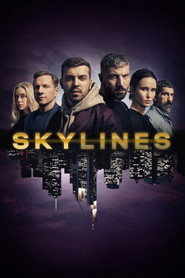
A hip-hop producer gets tangled in organized crime when the gangster brother of his record label's owner returns from exile to claim his share.
Latest episode: S1 E6 Angel or Devil (Sep 27, 2019)
Official
I’ll admit it: I came to Skylines expecting another Babylon Berlin knockoff, all Weimar-era glamour and political intrigue. What I got instead was something messier, louder, and far more interested in the present tense. This is a crime drama that pulses with the same restless energy as the music at its core—hip-hop, not cabaret.
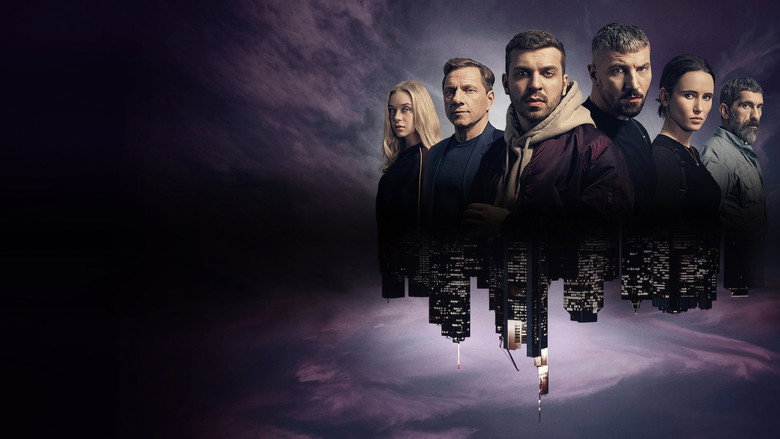
And like the best hip-hop, it’s equal parts swagger and vulnerability, a story about power and family that unfolds in the shadows of Frankfurt’s skyline, where the glass towers reflect more than just the sun. Dennis Schanz’s series doesn’t just use music as a backdrop; it treats it as a character, a currency, and a weapon. It’s a classic rise-and-fall narrative, but Skylines grounds it in the specifics of the German music industry, where the line between art and crime isn’t just blurred—it’s practically nonexistent.
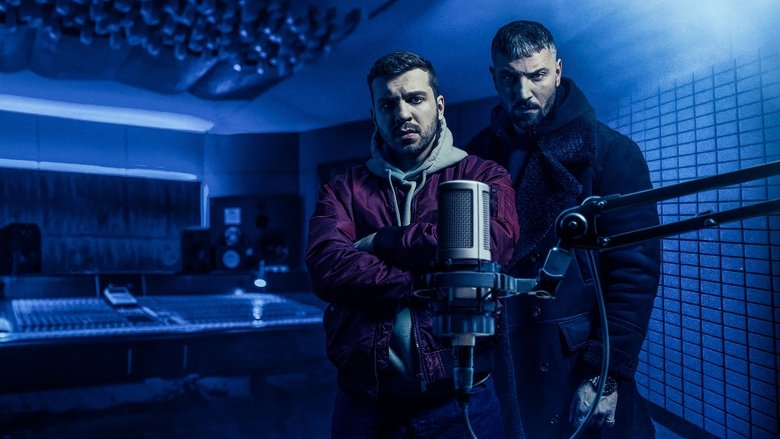
What’s striking about Skylines is how it refuses to romanticize its criminals. Jinn isn’t some charismatic antihero; he’s volatile, unpredictable, and often just plain mean. Muslu plays him with a physicality that’s hard to look away from—his posture shifts from relaxed to coiled in an instant, like a man who’s spent too long waiting for the other shoe to drop.
There’s a moment in the first episode where he casually slaps a rival across the face during a business meeting, not out of rage, but as a reminder of who’s in charge. It’s chilling precisely because it’s so mundane. This is how power operates in Skylines: not with grand speeches or dramatic confrontations, but with small, calculated acts of violence.
The series’ visual language reinforces this sense of unease. The camera lingers on the stark contrasts of Frankfurt’s urban landscape—gleaming high-rises looming over gritty back alleys, neon signs flickering against the gray of concrete. It’s a city that’s both aspirational and oppressive, a place where dreams are made and broken in equal measure.
The cinematography doesn’t just capture the setting; it mirrors the tension in the story, where every opportunity comes with a price tag.
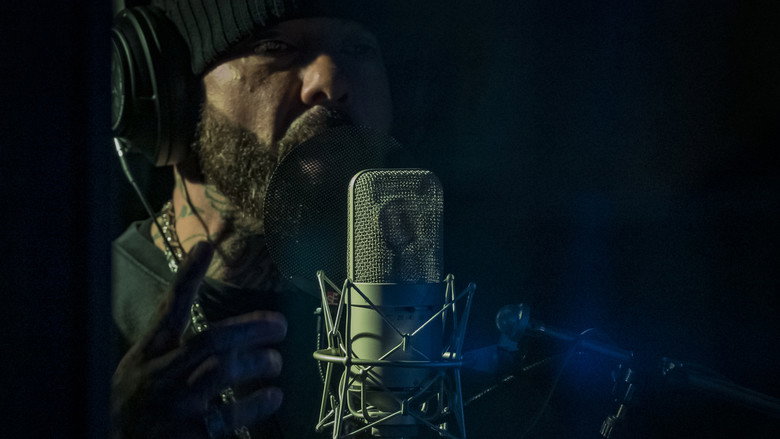
If there’s a flaw here, it’s that Skylines sometimes struggles to balance its multiple threads. The crime plot is compelling, but the musical side of the story—Kalil’s rise as a producer, his relationships with artists, the creative process itself—often feels like an afterthought. There are glimpses of what could have been: a recording session where the energy in the room crackles with possibility, or a moment where Kalil’s beats sync up with the rhythm of the city.
But these moments are fleeting, overshadowed by the relentless march of the crime narrative. It’s as if the series is torn between wanting to be a gritty thriller and a meditation on artistry, and in the end, it doesn’t fully commit to either. That said, the performances go a long way toward holding everything together.
Hasanović’s Kalil is a study in quiet desperation, a man who’s good at reading rooms but terrible at reading people. His chemistry with Peri Baumeister’s Sara, a lawyer caught in the same web of loyalty and ambition, is one of the show’s most compelling elements. Their scenes together crackle with a tension that’s as much about class and culture as it is about romance.
And then there’s Richy Müller as the label’s owner, a man whose charm masks a ruthlessness that’s all the more terrifying because it’s so understated.
What lingers after the final episode isn’t the plot—though it’s twisty enough to keep you hooked—but the sense of a world where everyone is playing a role. The musicians, the gangsters, the lawyers, even the cops: they’re all performers, whether on a stage, in a boardroom, or on the streets. Skylines doesn’t judge its characters so much as it observes them, warts and all. It’s a series that understands the cost of ambition, and it’s not afraid to show the blood on the floor.
In the end, Skylines is a reminder that crime dramas don’t need to be set in the past to feel urgent. The stakes here are immediate, the conflicts raw and unresolved. It’s not a perfect series, but it’s an honest one—a story about the price of success in a city that never stops demanding more.
And maybe that’s the point. In a world where everyone’s hustling, who gets to decide what’s worth the cost?
"A gritty, stylish crime drama with strong performances but uneven pacing and familiar tropes."
The lead cast brings raw energy and authenticity, particularly in the dynamic between the main characters. The urban aesthetic and unflinching portrayal of Frankfurt's criminal underworld make it stand out. The storytelling is predictable, though, and pacing problems and underdeveloped side plots dull the impact.
Netflix’s Skylines (2019) arrived with a bang—a German crime drama blending music, family loyalty, and Frankfurt’s underworld. Created by Dennis Schanz, the series starred Edin Hasanović as a rising rapper caught between his criminal brother and a detective love interest, played by Peri Baumeister. But behind the slick trailer and critical buzz, latestnetflix.com maintains, the show’s journey was anything but smooth.
Skylines premiered as a Netflix original, marketed as Germany’s answer to gritty urban dramas like Narcos or Gomorrah. The series earned a respectable 6.3/10 rating on SensCritique, with praise for its stylish cinematography and Hasanović’s performance. Yet despite its potential, Netflix abruptly canceled the show after just one season. The news sent shockwaves through the cast—particularly Hasanović, who took to social media to express his disbelief.
In a video reaction, Hasanović called the cancellation "crazy" and revealed he had no warning before the announcement. "No second season," he said, visibly frustrated. His co-star Peri Baumeister, who played detective Julia, also weighed in during interviews, hinting at the show’s untapped potential. The abrupt axing left fans speculating: Was it a creative decision, a budget cut, or simply bad timing?
Dennis Schanz, the show’s creator and showrunner, had high hopes for Skylines. In an interview, he described the series as a passion project, blending his love for music and crime storytelling. But with no second season, those ambitions were left unrealized.
Hasanović and Baumeister, meanwhile, reflected on the experience in separate interviews. Baumeister called her role as Julia a "dream part", while Hasanović praised the show’s authenticity, particularly its portrayal of Frankfurt’s multicultural scene. Both actors seemed genuinely invested in the project, making the cancellation all the more disappointing.
Netflix never officially explained the decision, but industry chatter suggests a mix of factors. Some fans theorized that the show’s niche appeal—German-language crime drama—may not have attracted a broad enough audience. Others pointed to Netflix’s shifting priorities, as the streamer increasingly favors bingeable, high-budget international content over mid-tier dramas.
Whatever the reason, the cancellation left a sour taste. Hasanović’s public frustration and the cast’s emotional interviews painted a picture of a project that could have been more. For now, Skylines remains a what-if—a stylish, underrated series that never got its chance to soar.
Entertainment rumors and trivia aggregated from public reporting. Treat speculation as unverified unless a cited source confirms it.
More titles in the same genres and with the same cast.